Brazilian Funk Music
Under a tamborzão hit, the chant finds a pocket, and Brazilian funk uses empty space as part of the beat. Clipped percussion, deep bass and a refrain with room around it give a Brazilian funk track its direction. Suno can build the groove around those elements. The groove gains energy when a hard accent leaves room for an MC phrase to land cleanly before the low drum returns.
Showing 18 of 18
 2:55Genre: Experimental Bruxaria Funk, Hypnotic Mandelão Pressure, Baile Funk Energy
 4:11Genre: Experimental Bruxaria Funk, Hypnotic Mandelão Pressure, Distorted Subbass Propulsion
 2:06Solo Female Singer For V1 And V2, Long Instrumental Transituion, Triumphant Singing With Choir For The Rest Of The Song.
 2:52Genre: Experimental Bruxaria Funk, Hypnotic Mandelão Pressure, Baile Funk Energy
 3:19Genre: Experimental Bruxaria Funk, Hypnotic Mandelão Pressure, Baile Funk Energy
 4:15Walking Down A Neon Street At Night, Stars Above Are Glowing Extra Bright. Music Drifting Through The Summer Air, Feels Like Magic Floating Everywhere. Pre-Chorus Time Slows Down
 1:22Brazilian Funk Automotivo Hard, Focused On Car Sound Systems And Street Movement. Heavy Funk Beat, 135–138 BPM. Strong Brazilian Funk Groove With Swing











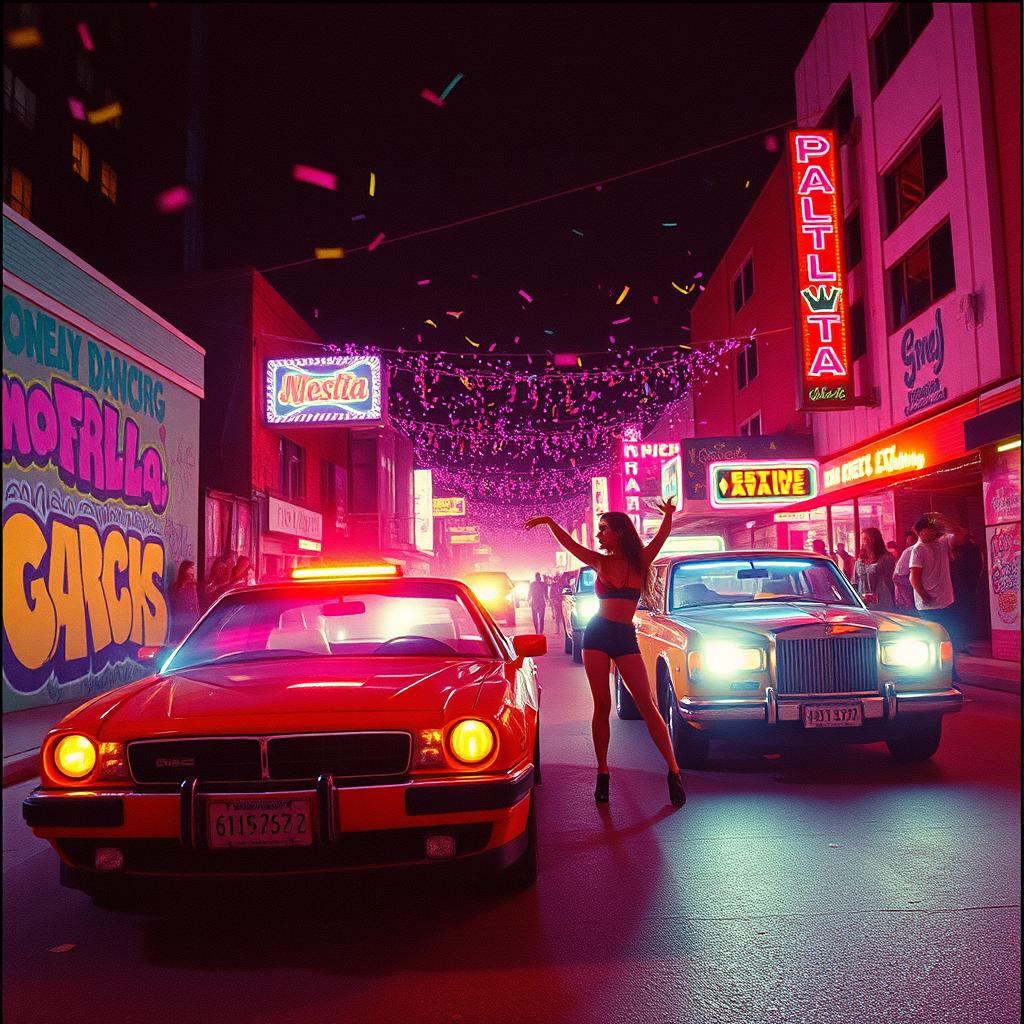


Crowded percussion blunts the tamborzão
Pack every forceful sound into one bar, and the tamborzão loses its bite. The kick, sub-bass, clap and MC phrase then press into the same narrow pocket, leaving no gap for the next accent to matter. Brazilian funk often gets its charge from a hard impact followed by space. Pull the upper percussion into short flashes, keep the low drum blunt and close and give the chant room. A short drop in percussion often lands harder than another layer.
That change also gives the groove a clearer shape. Keep the tamborzão heavy, use deep bass and dry claps, then place the chant just after the main accent. Leave room for the answer in the call and response and save the busiest percussion for the return. High energy by itself leaves the arrangement vague. Keep the tempo loose and let the low drum lead.
Follow the low drum in Brazilian funk or funk carioca
Baile funk and funk carioca circle the same low drum pocket, yet they place the emphasis in different spots. Funk carioca is the narrower label for the genre rooted in Rio and its rhythmic lineage. Baile funk often works as a wider English name for the music associated with baile culture. The shared sound gives you a firmer clue than the label alone. Tamborzão weight, clipped electronic percussion, heavy bass and an MC call and response keep the rhythmic center clear.
Reach for funk carioca when the genre's Rio roots matter most. Baile funk fits when the broader social and dance setting matters alongside the beat. Brazilian funk can cover the wider family in a search, but a specific musical direction should still carry the drum. Give the low hit a clear weight, leave a gap in the bass and shape the refrain as a chant, a reply or a short repeated hook. Let the low drum, the bass gap and the shape of the chant decide which label comes first.
Give the final chant a clean landing
The low drum establishes the pocket. The chant stays beside it. The ending sets the track's pressure. A brief return of the full tamborzão pattern ends with one blunt hit, while a stripped close keeps the chant over dry claps and a single low pulse. In Suno, state the ending's weight and spacing plainly. Keep unused layers out of the arrangement so the close sounds deliberate.
That ending determines what the middle can hold. Hold one percussion layer in reserve, keep the bass return brief and let the refrain appear without every accent at once. If the full beat comes back at the close, an earlier reduction makes that return sharper. The opening can establish the low drum pocket, place the bass and give the MC phrase a clean entrance before the arrangement grows. A fade led by the chant leaves more space around the first vocal cue, shortens the refrain and creates a cleaner reduction before the final passage.
Frequently asked questions
- Between baile funk and funk carioca, which name points more directly to the genre rooted in Rio?
- Funk carioca is the narrower name for the genre rooted in Rio, while baile funk often serves as a broader English label for music associated with baile culture. The labels overlap around tamborzão, heavy bass, clipped electronic percussion and an MC call and response. Use the more specific term when the genre's Rio lineage is the point. Use the broader term when the wider baile setting matters. Lead with tamborzão, bass and the MC exchange so the rhythm stays legible.
- How does tamborzão shape the space around an MC chant?
- Tamborzão often feels heavy because its low pattern works with space around it. A short hit in the upper percussion can answer the drum, then disappear long enough for the next accent to register. That gap gives an MC phrase room to land and makes the return feel larger without adding every available sound. The exact weight depends on the bass, the pace and the surrounding accents, so the pocket matters as much as the drum pattern itself.
- Before a tamborzão return, how much percussion should disappear?
- Keep the reduction long enough for the chant's shape to be clear, but short enough that the tamborzão pocket stays present. A few dry claps, a low pulse or the tail of the bass can hold the groove together while upper percussion falls away. A return after a compact gap often feels sharper than a long silence. Decide which layer thins and what greets the chant when the full pattern returns.