Bossa Nova Music
Count the bass note that arrives ahead of its chord, then listen for the nylon-string batida answering it in a softer register. The bass-to-chord tug helps define the groove, harmonic color and vocal distance. Keep the first bar spare, let the melody enter near the guitar's pocket and decide whether the refrain widens or stays close. A precise ear catches more in a spare arrangement than in a crowded one.
Showing 18 of 18
 4:34Soft Female Bossa Nova Vocals, Smooth Feminine Bossa Nova Voice, Gentle Bossa Nova Singing Style
 4:35I Want To Compose A Bossa Nova Song, I Want To Express The Bittersweet Feeling Of Parting Before My Father Gets Married And Leaves Home, I Want To Create A Quiet Farewell Song Using Guitar And Piano
 2:54Bossa Nova. A Single Nylon-string Acoustic Guitar Plays Syncopated Fingerstyle Patterns With Characteristic Bossa Nova Chord Voicings. A Baritone Male Vocalist Sings In Portuguese With A Smooth, Intimate Delivery. The Guitar Maintains A Steady Rhythmic Pulse Throughout, Alternating Between Thumb-plucked Bass Notes And Simultaneous Finger-plucked Chords. The Tempo Is 112 BPM In 4/4 Time. The Recording Has A Dry
 4:02I Want To Compose A Bossa Nova Song, I Want To Express The Bittersweet Feeling Of Parting Before My Father Gets Married And Leaves Home, I Want To Create A Quiet Farewell Song Using Guitar And Piano
 3:49Bossa Nova. Nylon-string Acoustic Guitar Plays Syncopated Fingerstyle Patterns With Frequent Use Of Seventh And Ninth Chords. A Shaker Provides A Steady Sixteenth-note Pulse. The Bass Guitar Follows A Traditional Bossa Nova Pattern, Emphasizing The Root And Fifth On Beats One And Three. A Clean Electric Guitar Enters With Melodic Lead Lines Using Light Reverb. The Percussion Includes A Woodblock Or Rimshot On The Cross-stick Beat. 120 BPM. Key Of C Major. 4/4 Time Signature.
 4:14Generate An Upbeat Melody In A Bossa Nova Style, Featuring A Female Vocalist With A Warm, Ethereal Quality. Fingerplucked Guitar Strings.
 4:02Classic Bossa Nova, Warm Nylon String Guitar Fingerpicking, Gentle Brushed Percussion
 2:12The Track Is Built Upon A Bossa Nova Rhythm Featuring An Upright Bass Walking With A "two-beat" Feel, Brush-played Snare, And A Light Kick Drum
 4:04Crie Uma Música No Estilo Bossa Nova Com Os Seguintes Instrumentos: Violão, Piano, Contrabaixo
 3:44Bossa Nova With Gentle Swung Nylon-string Guitar, Brushed Percussion, Upright Bass









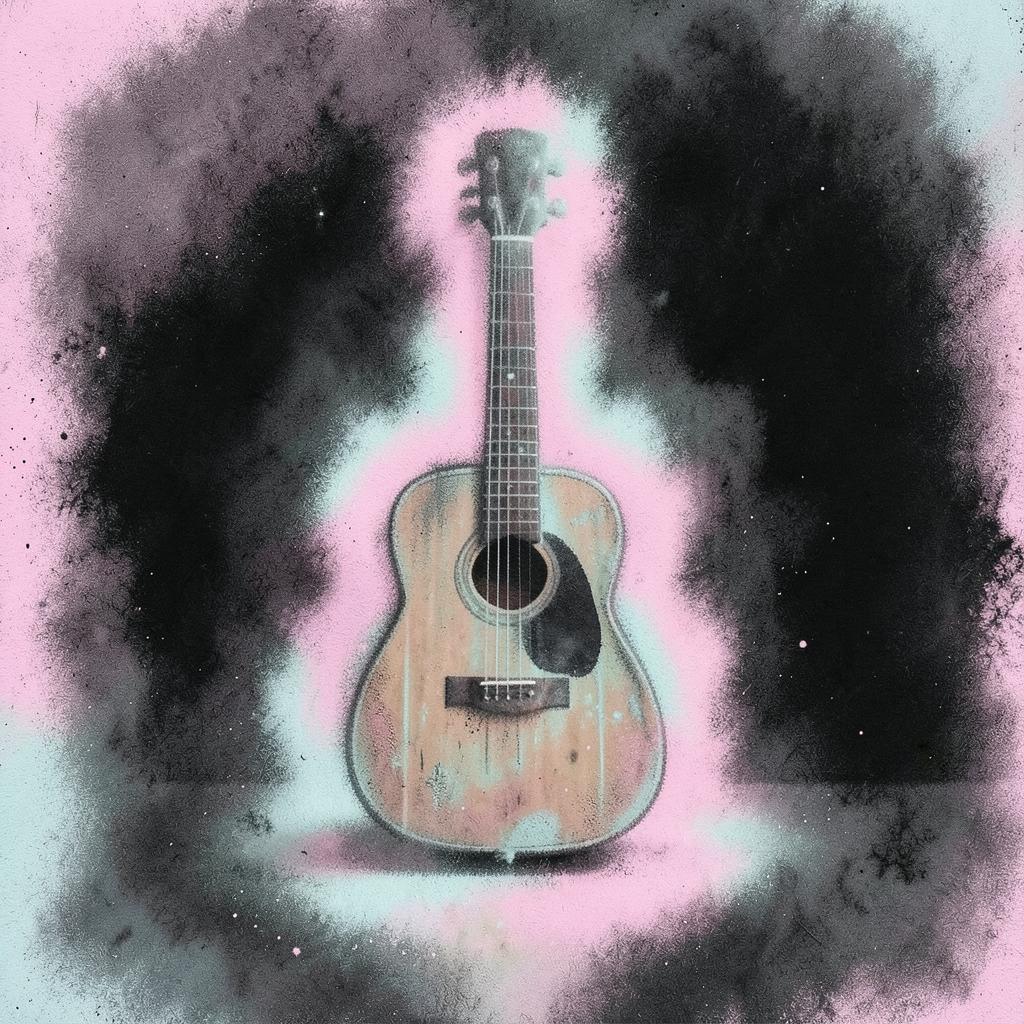
The batida's gaps matter under speech
Spoken dialogue exposes clutter in an arrangement. A bossa nova bed beneath speech benefits from a narrow bass register, short guitar decay and percussion that marks the subdivision without dominating. The batida often keeps the guitar moving with clipped thumb strokes and offbeat treble, while a low melodic line leaves space for clear consonants. For footage, keep the groove clear. A dry nylon-string attack, a lightly voiced electric piano and a small harmonic turn give the ear something to follow without crowding the spoken line. In a room where people are talking, those choices keep the music present at low volume because each accent remains distinct.
Music for a crowd needs more reach. Open the refrain with brighter percussion or a wider melodic register, then keep the guitar's offset pattern clear as the arrangement grows. One option is a rim click that confirms the bar while the bass stays quiet. Another is a rounded hand-drum touch placed low in the mix. Under speech, restraint protects the words. In front of a crowd, the sound needs to carry while preserving the small delay that identifies the groove. The arrangement works when the pulse stays felt and the batida remains easy to trace.
Bossa nova lets harmony sit behind the batida
The guitar shows how bossa nova balances rhythm and harmony. The batida often carries Brazilian rhythmic motion through the bar, with thumbed bass and clipped chord strokes pulling in different directions. Extended harmony adds seventh, ninth or altered tones, yet those colors help only when the pulse stays clear. Hold the guitar pattern steady while changing the parts around it. More hand percussion and a busier bass bring the samba rhythm forward. Wider voicings and a sparser drum bed leave more space around the harmony. The balance depends on the arrangement.
Melody timing reveals that balance. A flute or muted trumpet traces a clean line over the guitar, while a close vocal phrase sits near the chord. The arrangement loses balance when decorative harmony masks the batida or percussion fills every opening. Keep one rhythmic accent exposed and one chord tone sustained. The guitar then carries samba motion while the harmony retains its jazz color.
A bass note ahead of the chord opens the refrain
The bass note arriving ahead of the chord sets the rhythmic focus. In Suno, use a nylon-string batida with a thumbed bass that anticipates selected changes, a close vocal tone in a dry room and a compact form that moves from a spare verse into a refrain with one wider voicing. Together, these details set the rhythmic placement, the texture closest to the listener and the point where the arrangement opens. Keep the harmony warm but specific, perhaps with seventh or ninth color, and leave the percussion light enough for the guitar to stay clear.
Swap the close vocal for a flute or muted trumpet line and check the first return. The bass should still arrive early, with the guitar's offbeat answer and a clear pocket before the melody comes back. If the lead fills every gap, shorten its phrases or reduce its decay. If the refrain feels no larger than the verse, widen the voicing first and keep the drum part spare. A held ninth at the close keeps the guitar's final offbeat clear without crowding the room.
Frequently asked questions
- Is the batida only a soft strum behind the singer?
- The batida is an active rhythmic part. Thumbed bass notes and clipped chord strokes often interlock, with the guitar carrying syncopation even when the dynamics stay low. Light percussion marks the subdivision and leaves gaps that keep the pattern clear. Sung phrases often sit close to the guitar, with the melody occupying the space above it. The relaxed feel comes from touch, balance and careful placement. Listen for the small delays inside the bar, where the guitar keeps the music moving without a large drum pattern.
- Why does a bossa nova phrase cross the bar while the batida stays steady?
- A phrase that crosses the bar keeps the melody from landing in a rigid, predictable way. Bossa nova often uses a relaxed pickup, a held syllable or a note that leans into the next harmony, while the guitar maintains the cycle underneath. The exact placement shifts with the arrangement, so this is a performance tendency rather than a fixed rule. The ear follows the tension between a long melodic curve and the batida's compact accents.
- How does samba-canção's phrasing color a bossa nova arrangement?
- Samba-canção often brings a song-centered approach with longer melodic lines and a more lingering expressive pace. In this setting, that influence can give the melody extra room while the batida keeps its light syncopated motion. The guitar and bass still define the rhythm, so the arrangement keeps bossa nova's character as the phrase stretches. The connection remains flexible and changes with each performance, and the two traditions remain distinct even when their phrasing meets.