Krishna Bhajan
The ear meets a low drone before the refrain arrives. A sung line settles into the space, and a bamboo flute answers from just beyond it. Krishna bhajan music can move from that hush toward a gently turning pulse as hand percussion and added voices change the weight of each return. The same choices shape AI-made tracks created with Suno, as the opening hush gathers into a pulse. Choose the room and first entrance, then decide where the refrain should stay spare or widen.
Showing 20 of 20
 4:16Create An Energetic, Joyful And Devotional Original Krishna Bhajan In Hindi. Use A Powerful Yet Sweet Male Lead Voice With Lively Male/female Chorus. Medium-fast Tempo, Strong Dholak And Tabla Groove
 4:21Energetic North Indian Krishna Jagran / Kirtan Devotional Song With A Traditional Temple Bhajan Atmosphere. Start With A Soulful Bansuri Flute Intro, Followed By Harmonium And Soft Tanpura Drone. Build Into A Powerful Live Jagran-style Arrangement With Dholak, Tabla
 4:13Style: Sad Rap × Krishna Bhakti × Melodic Trap BPM: 138 Key: F Minor Vibe: दर्द • अकेलापन • उम्मीद • कृष्ण का ज्ञान
 6:52Krishna Bhajan, Devotional Raga Framework, 72 BPM
 5:11Indian Devotional Krishna Bhajan, Soulful Female Vocals, Sweet Emotional Hindi Female Singer
 6:15Create A Joyful, Playful And Devotional Indian Instrumental Background Music For A Short Video About Shri Krishna's Childhood “Makhan Chor Leela”. Mood: Cute, Mischievous
 4:43Hare Krishna Hare Krishna Krishna Krishna Hare Hare Hare Rama Hare Rama Rama Rama Hare Hare
 3:49Tempo: Fast / Upbeat Mood: Joyful + Romantic + Devotional Music: Dhol + Dholak + Bansuri + Manjira Vocal: Powerful FemaleDevotional Romantic Krishna Bhajan, Soulful Female Lead Vocal, मधुर और भावपूर्ण आवाज़
 5:43Indian Devotional Krishna Bhajan, Divine Spiritual Atmosphere, Cinematic Indian Trance
 5:38Powerful Cinematic Krishna Bhajan, FEMALE VOCALS ONLY, Soulful Expressive Female Lead
 4:31Traditional Indian Devotional, Braj Folk, Soulful Krishna Bhajan
 4:40Authentic Traditional Nepali Temple Bhajan, Raw Village Kirtan, 110 BPM
 7:25Create A Deep, Cinematic Devotional Bhajan Based On Radha-Krishna Chant With A Powerful Hook In The First 5 Seconds. Tempo: 92–98 BPM (slow-deep Groove) Mood: Deep Devotion, Hypnotic
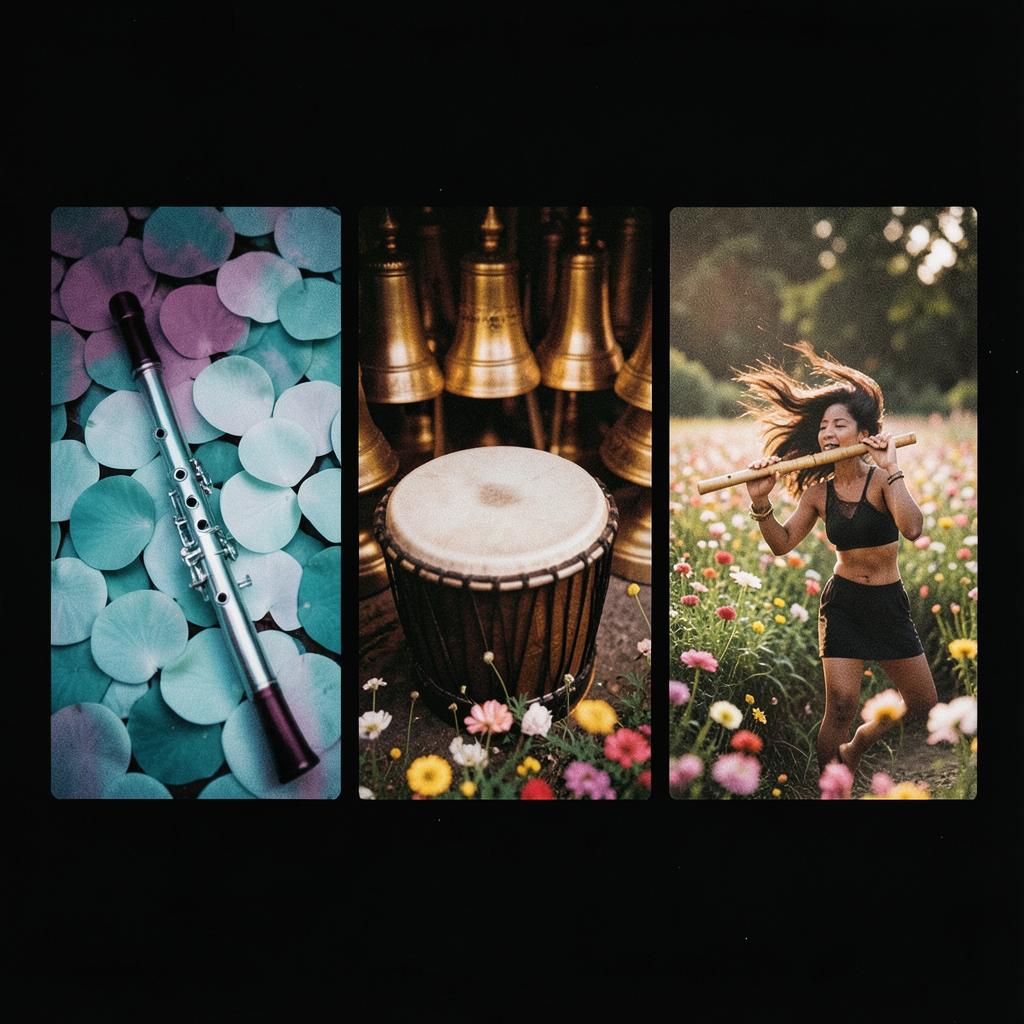



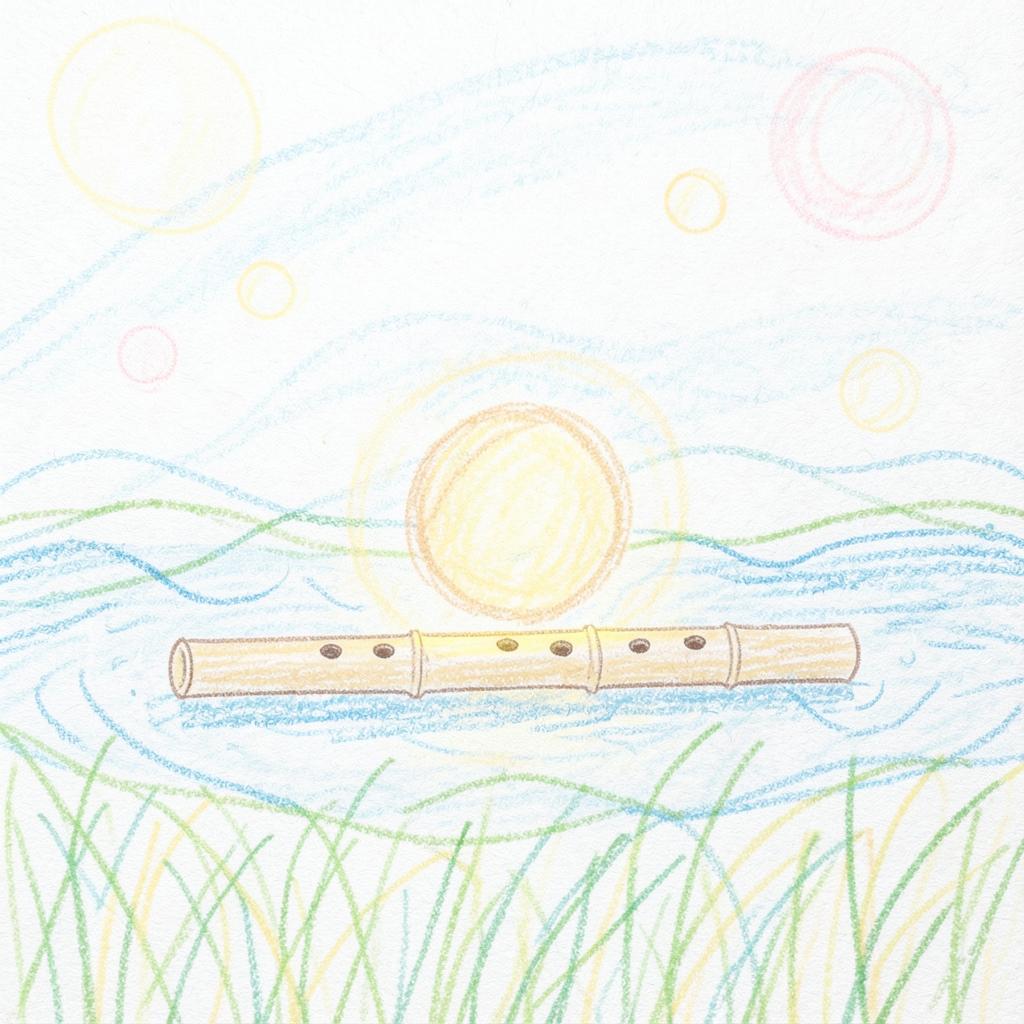


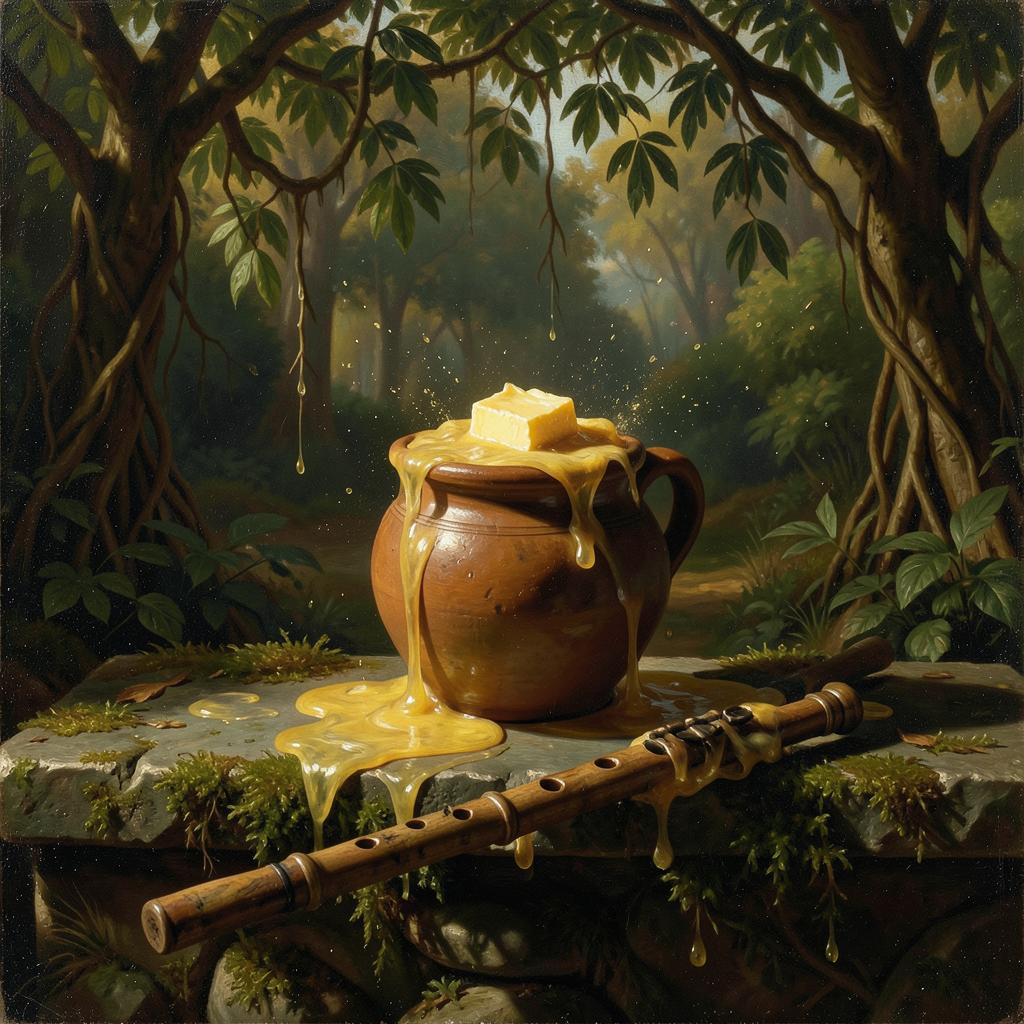



Krishna bhajan gives a refrain room to return
Let the opening arrive with a low drone and a refrain that has almost no company. A sung phrase lays down the contour, then a short bamboo flute reply follows once the phrase has landed. A tabla cycle or light hand percussion can enter after that exchange, leaving space around the syllables. This first turn gives the refrain more weight when it returns because the space around it has changed. A higher vocal line or a longer flute answer can give the next pass a gentle lift.
By the final passage, choose what remains from the gathering. Pull the hand percussion away and let the drone, breath and a held note carry the close, or keep the cycle turning beneath voices that widen the refrain. The sparse ending preserves the opening's air. The fuller ending keeps the pulse through the close. Both routes make the arc clear because the first sound had room to stand alone before the pulse arrived.
Bamboo flute makes room for the sung line
Let the bamboo flute shape the space around the sung line. At the opening, give it a three-note breath before the voice, then let the refrain claim the center. When the tabla cycle arrives, keep the flute's replies short and place them after the sung line, leaving space around the cadence. A pause matters as much as a phrase in that exchange. It shows that the flute is following the refrain's shape and lets each turn belong to the melody.
As the track gathers, change the flute's register or length rather than asking it to play constantly. A lower answer can keep the middle grounded after an added vocal layer. A longer upper tone can open the next return, especially when the percussion leaves a little space underneath. Near the final refrain, let the flute disappear for one pass, then choose a narrow upward figure above the closing drone. That re-entry prepares the ending. If the arrangement settles into a sparse close, leave the last breath audible after the held vocal note. If the cycle continues, make the flute's final phrase shorter so the pulse carries the close.
Make room for the first flute breath
Start with the final flute breath as the first musical detail. In a small room at dusk, let a low drone settle beneath the opening. Let the first sung refrain enter close and unhurried. A bamboo flute arrives after its last phrase with no more than a few airy notes. After that, let the tabla cycle enter with space between its accents, followed by a second vocal layer on the next return. In Suno, describe those arrivals and the energy you want the refrain to gather.
Keep the language musical and concrete. Say that the flute should answer rather than double the voice, that the pulse should feel measured and gently buoyant and that the final pass should either thin to drone and breath or keep its hand percussion beneath a wider chorus. If the refrain needs a particular image, write those lyric lines yourself and ask for a close, unhurried delivery that opens slightly on the final return. Choose one final image, a high flute breath over a held vocal note or a final refrain over a soft tabla pattern.
Frequently asked questions
- Where should the bamboo flute sit in a Krishna bhajan arrangement?
- Bamboo flute works well as an answering line when the refrain has room to breathe. Let it enter after a sung phrase with a compact figure, then give the next phrase back to the melody. Tabla can mark the cycle underneath without forcing the flute into constant motion. A low drone keeps both parts connected. For a lighter texture, shorten the flute replies. For a more lifted return, move one answer higher or let it last through the cadence.
- What lets a Krishna bhajan gather energy without racing?
- Energy often comes from added texture around a measured refrain, even when the tempo stays steady. Keep the cycle measured, then open the hand percussion pattern, add a higher response or bring in another layer on a later return. A pause before the flute answers can make the next entrance feel brighter. The result depends on the arrangement. Keep the pulse gently buoyant, let returns widen and keep the pace easy. Leave enough space for the refrain to remain easy to follow.
- Does a drone-led Krishna bhajan usually return to the refrain at the end?
- Often, yes, because a returning refrain gives the ending a clear relationship to the opening. A quiet arrangement may reduce the percussion and leave a held note, drone and a final flute breath. A fuller arrangement can keep the cycle present while added voices gather around the last pass. Neither shape belongs to every bhajan. Think of the closing as a choice about weight and space, with the first texture guiding how much of the arrangement remains.