Arabic Music
At a wedding procession, a mizmar's bright reed cry can cut through the crowd while a hand drum keeps the feet together. Arabic music spans that public brightness and quieter shapes, from a Gulf sway to an Egyptian pop lift or a Levantine line that lingers over the bar. Start with the motion that catches your ear. It may be a long held phrase, a quick ornament or a pulse that leaves space. Use Suno to shape a track around that motion and texture.
Showing 19 of 19
 1:12Khaliji Pop Track Featuring A Blend Of Traditional Middle Eastern Instrumentation And Modern Electronic Production. The Arrangement Is Driven By A Syncopated Oud Melody And A Rhythmic Foundation Of Darbuka And Frame Drums, Layered With A Programmed Electronic Kick And Snare. A Prominent Synth Bass Provides A Deep, Sustained Low-end. The Lead Male Vocal Is Processed With Pitch Correction And Light Reverb
 2:38Khaliji Pop Ballad Featuring A Solo Male Baritone Vocal. The Arrangement Is Sparse, Centered Around A Clean Electric Guitar Playing Arpeggiated Chords And Melodic Fills With A Light Chorus Effect. A Subtle Synth Pad Provides Harmonic Support In The Background. The Vocal Delivery Is Expressive, Utilizing Traditional Arabic Melisma And Vibrato. The Tempo Is A Slow 65 BPM In 4/4 Time
 4:14ستايل الأغنية: بوب عربي حديث بإيقاع قوي وجذاب، مع بيت عصري وفخم، ودمج الدربوكة والطبلة والدف مع Bass عميق وDrums حديثة. لمسات من العود والقانون والناي مع Strings سينمائية تعطي إحساسًا بالهيبة والفخر. صوت رجالي عربي قوي ودافئ، وأداء حماسي وروحاني، مع كورال رجالي خفيف في اللازمة. الإيقاع راقص ومتحرك، وليس بطيئًا، مع تصاعد قوي في الكورس ووقفات موسيقية جميلة
 6:05Khaliji Pop With Contemporary Electronic Production. A Male Tenor Lead Vocal Performs Melismatic Arabic Phrasing. The Arrangement Features A Prominent Oud Playing Syncopated Melodic Lines And A Qanun Providing Rapid Tremolo Accents. A Traditional Khaliji Percussion Ensemble Utilizes The Mirwas And Duff To Execute A Complex 6/8 Rhythmic Pattern. A Deep Sub-bass Synth Follows The Root Notes Of The Percussion Accents. A Clean Electric Guitar Plays Muted Rhythmic Strums On The Off-beats. The Track Is In The Key Of D Minor At 115 BPM. High-frequency Synth Pads Provide Harmonic Sustain In The Background. The Production Uses Modern Compression And A Short Plate Reverb On The Vocals.
 3:3980s-inspired Smooth Khaliji Pop With Lush Analog Pads, Warm Electric Piano Chords, And Gentle Chorus-soaked Guitars. The Groove Is Laid-back With Soft Gated Snares And Rounded Electronic Toms Supporting A Steady Mid-tempo Pulse. A Clear
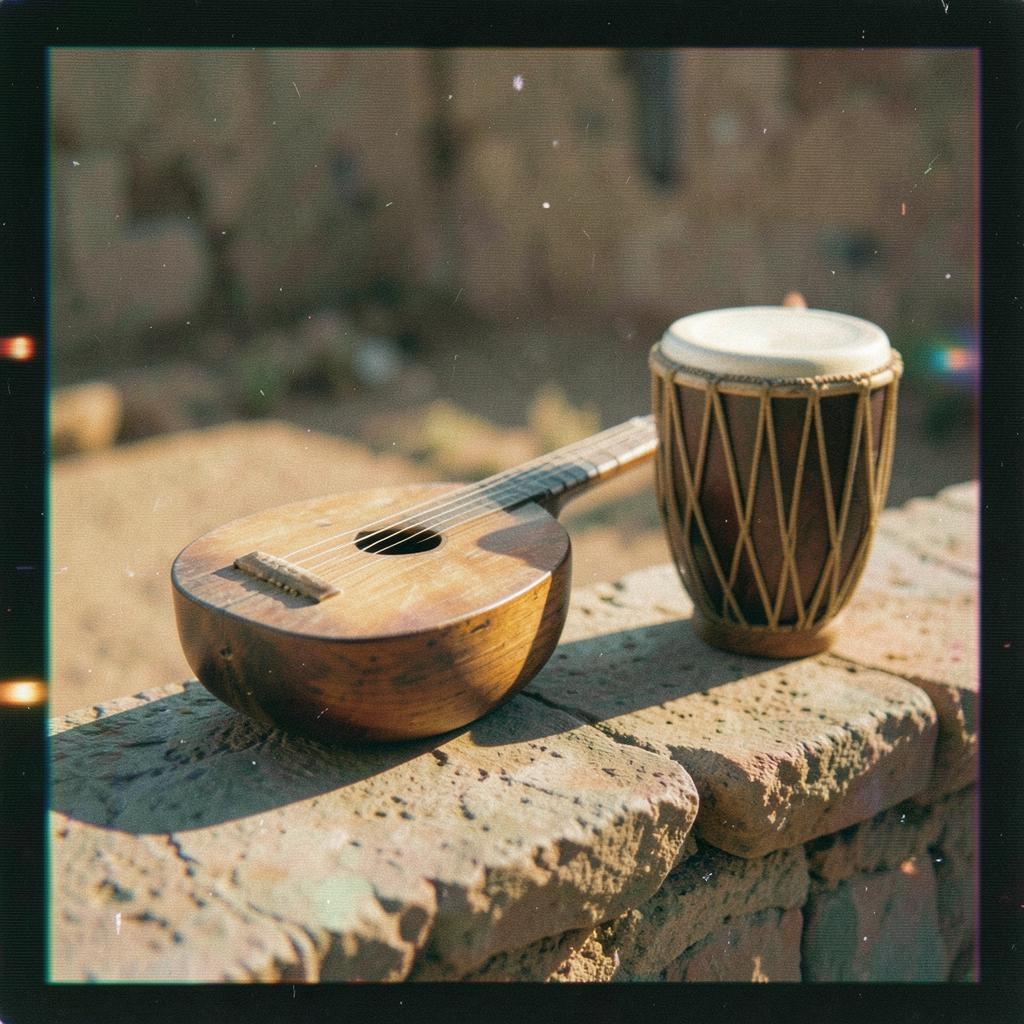
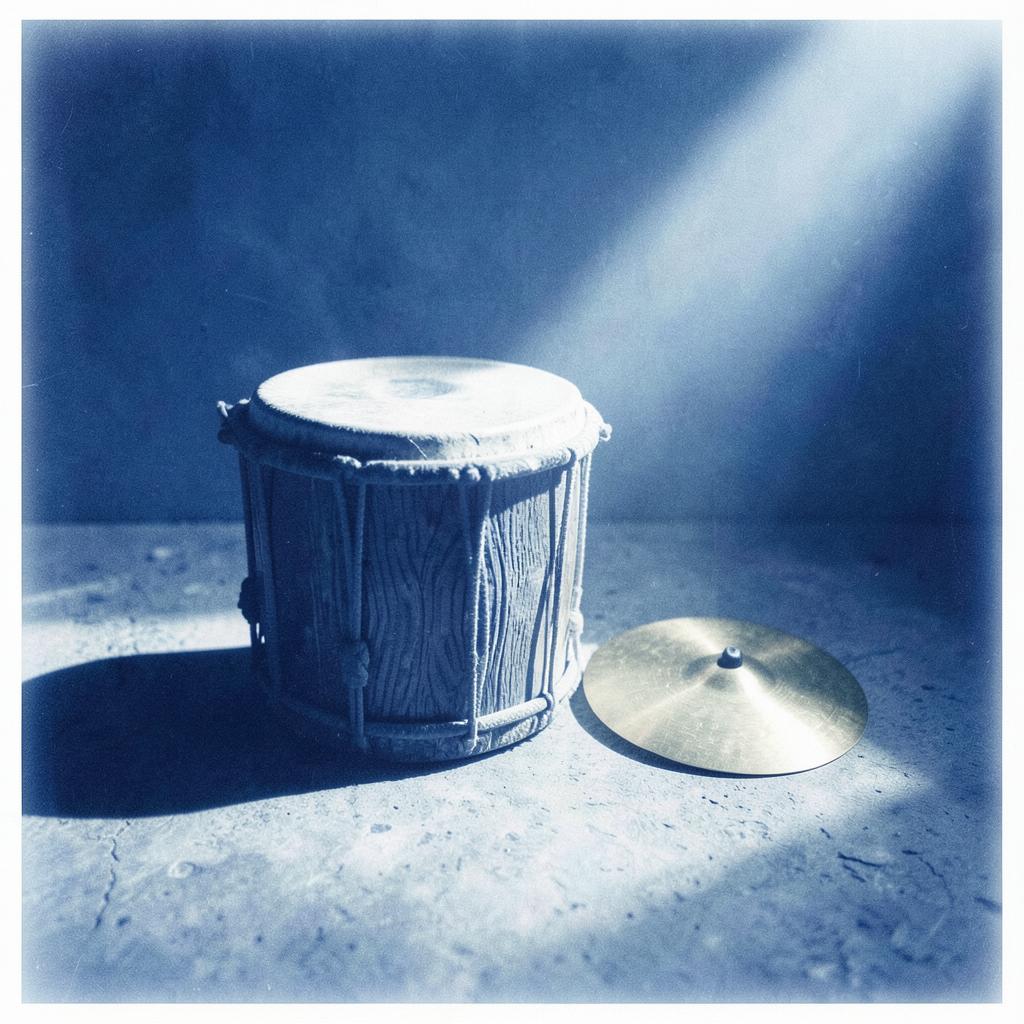







Khaliji phrasing leaves room around the pulse
Khaliji phrasing often leaves a long vocal line over a steady Gulf rhythm. The percussion gives the melody a firm base while leaving space around the voice. The vocal line can carry a little ache, a little swagger or a measured lift, and the space between gestures becomes part of the character. Set this direction with an unhurried pulse, open low percussion, an oud supporting the singer and a refrain that returns with more weight. Together, these details set the contour of the arrangement.
That space gives a Khaliji idea a different feel from a denser pop arrangement. Egyptian pop may favor a tighter beat and a chorus built for immediate repetition, while Levantine music can make more room for a lyric line to unfold and answer itself. Musicians borrow from one another across those styles. For Gulf character, set the pulse and vocal stretch first. Add the instruments only after the movement is clear.
An oud can carry a melody through each turn
The oud shapes an arrangement through movement and the space between phrases. In an opening, a maker can give it a short figure that leaves room around the voice, or let a low pluck establish the tonal center before the rhythm settles. As the track gathers, the same instrument can answer the vocal phrase with a small ornament, double a cadence or change from separate notes to a more continuous run. Each return gives the listener a clear point to follow without forcing every section into the same density.
For an Arabic music idea, the oud can give the arrangement a center. Give it a clear job at each stage. Use a restrained opening figure, a warmer answer after the first vocal phrase and a fuller pattern beneath the final refrain. The oud can fit a Khaliji sway, Egyptian pop or a Levantine ballad, with its role kept clear. If the melody needs more tension, let the instrument circle a resting note before it lands. If the song needs air, pull the oud back for a bar and let the voice or percussion carry the transition.
Arabic music leans into a delayed landing
A spacious Gulf pulse under an oud that changes intensity gives the arrangement a clear direction. The close might arrive with the full rhythm returning, the melodic center settling and the final phrase held long enough to feel earned. The ending determines which elements should arrive later. Leave one layer out of the second passage, keep the strongest oud ornament for later and let the percussion grow by degrees toward full force.
The opening prepares that ending. Establish the tonal center with a spare oud figure, hint at the Gulf pulse and leave enough room for the song to widen. With Suno, set the ending first, then the restraint in the middle and the opening atmosphere. A different close changes the whole arrangement. If the final section should fall away to one oud phrase, keep the middle lighter and let the first entrance stay spare enough to leave room for that silence. Keep the final maqam landing clear, with each earlier layer leaving room for it.
Frequently asked questions
- Why do Arabic maqam phrases and Persian dastgah phrases take different turns?
- Both systems organize melody through modal families and characteristic routes, but they do not map onto one another. Arabic maqam practice often foregrounds a recognizable set of pitches, small melodic cells and a resting point that performers approach with ornament and modulation. Persian dastgah practice has its own modal sequence and emphasis on gusheh, with a different path through the mode. Performers may share regional colors, yet phrase shape depends on the tradition and the musician.
- How does an oud ornament change the sound of an Arabic melody?
- An oud ornament can bend the edge of a note, connect two pitches or delay a landing, so the melody feels more elastic and expressive. The effect depends on tempo, register and what the singer or other instruments leave open. A short answer between phrases keeps the line light; a denser run can push the arrangement toward tension. Give the ornament a clear job and timing alongside the instrument name.
- When might a song built on maqam hold back its full rhythmic cycle?
- Holding back the full cycle can give a maqam passage room to establish its tonal center before percussion commits to a stronger pattern. The opening might stay spare, with an oud phrase or hand percussion marking only the edges. When the cycle arrives, its weight feels like a structural turn rather than background motion. The choice depends on the melody and pace, so a maker can also keep the rhythm present and reserve the change for the final refrain.