80s Music
A drum room gives a maker a clearer starting point for 80s music than a decade adjective alone. This collection focuses on AI-made music created with Suno, with named recordings outside its scope. Use a glassy FM chord, a bass line that dodges the kick and a gated tail around the backbeat to shape the 80s sound. Keep the verse tight, let the refrain widen and give the machine pulse a part of its own.
Showing 16 of 16
 4:00This Is A Russian Rock Song With A Male Vocalist. The Song Features A Clean Electric Guitar, Playing A Melodic Riff, A Bass Guitar Creating A Walking Bass Line
 5:09Music Description – "It's Been Years" A Smooth Female Vocalist With A Classic American Accent Leads The Song In A Stylish Blend Of Country, Pop, And Nostalgic 80s Music. The Track Begins Softly With Acoustic Guitar And Gentle Violin
 3:00Combine 80s Music With Techno Progressive And Rush For Gym Exercises, Prodigy, Bass Rytm
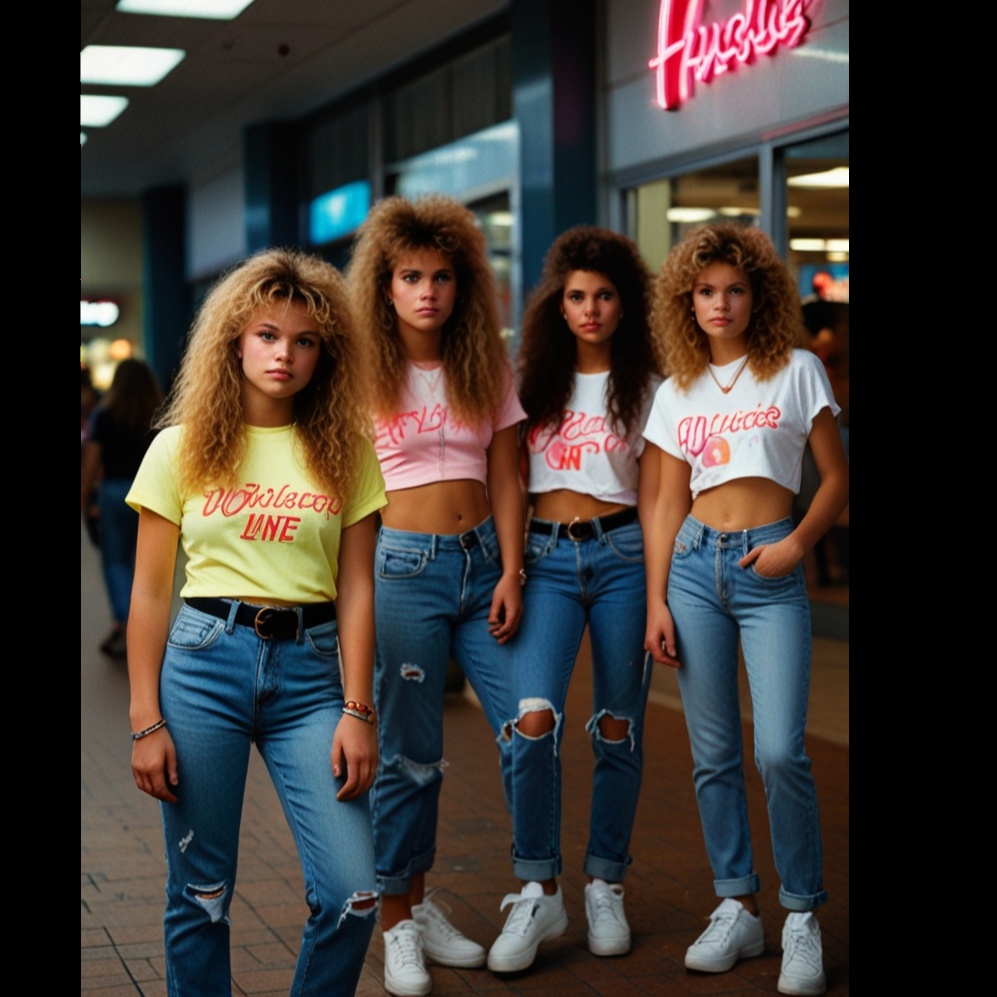







In 80s music, synth-pop gives the machine a melodic role
Synth-pop treats the machine as part of the melody. A steady electronic pulse can let the bass draw a second line, while a bright keyboard repeats a compact figure and leaves space in the arrangement. Short vocal phrases, cool chord changes and restrained guitar parts keep the arrangement clear. The style often gets its tension from the distance between a fixed pattern and a singer who bends timing around it. That tension helps distinguish this 80s sound from the slower swell of a power ballad and the harder attack of guitar-led rock.
Build the parts around their roles and use decade adjectives sparingly. Use a dry kick, a clipped snare, a glassy FM timbre and a bass phrase that enters just after the beat. A narrow verse leaves the chorus room to widen through harmony, register or reverb. If the synth carries the hook, let the guitar answer with a small chord stab and leave the main line clear. Let the last keyboard chord arrive after the bass has cleared space for it.
The first entrance sets the sound in a living room
In a living room, the first entrance can introduce the 80s sound. A tight kick and bright clap set a clean grid, then a synth stab or chorus-washed guitar fills the upper range. In a car, that same arrangement can make the low end feel close while the snare's short tail stays prominent. For a screen cue, a few bars of machine pulse and a held keyboard chord can establish the sound before a vocal enters. The 80s feel comes from the order and distance of the sounds. The snare tail reaches the ear before the held chord.
Decide what enters first and what waits. A homebound verse might begin with bass and drum, keep the keyboard thin, then let a wide pad appear at the refrain. A street-facing groove might lead with the handclap and tom fill while the guitar picks behind them. 80s music often gives a small entrance more impact through gated space, doubled parts and a clear jump in register. Place the held pad after the handclap and keep the retro adjective secondary.
Each drum sound needs a role in 80s production
That tight kick and bright clap are easy to bury under too many decade adjectives. The phrase retro 80s synth song names an era while leaving the arrangement without clear priorities. With Suno, give each sound a job. Let the dry kick hold the grid, give the gated snare a short room and let the bass move around the downbeat. Bring in a glassy keyboard late enough to widen the refrain. Choose a midtempo or driving feel. Keep the kick tight and the snare room short.
Build the form around a close verse, a pre-chorus that raises the register and a chorus where stacked parts share the hook. If the song needs a power ballad lift, use longer held chords and a fuller drum entrance, then keep the guitar from masking the keyboard line. A short instrumental break exposes the bass before the final return. This gives the arrangement a clear shape, with the handclap or tom fill entering on the bar before the chorus.
Frequently asked questions
- Can a drum-machine pattern alone make a track feel like the 80s?
- A drum-machine pattern is only one clue. The impression usually comes from how several parts relate. The kick and snare set a clear grid. The bass determines how closely it sits against the grid, and the upper parts create width through synth color, chorus, reverb or guitar. A dry machine pattern can belong to many decades. For a convincing 80s direction, decide how the verse holds back, where the refrain widens and which sound carries the hook. The production choices work together as a system.
- How can a pre-chorus build tension before an 80s refrain?
- The tension often comes from accumulation while the speed stays steady. The bass can stay measured while a new chord, a higher register or an extra backing part increases the intensity. A tom fill or held keyboard tone can lead into the downbeat, giving the refrain a clearer landing. Some arrangements thin the verse first; others add density across the build. The convention is a change in pressure and space, and the bar length and instrument choices can vary. Use movement and register to shape the turn into the refrain.
- Why does synth-pop feel restless at a steady tempo?
- The motion often comes from the parts while the speed stays steady. A repeating bass figure shifts its entry, note length or register as the machine pulse keeps time. The keyboard holds a cool chord bed, and short vocal phrases or guitar replies interrupt the pattern. That tension gives synth-pop a nervous edge without requiring a faster beat. Other arrangements lock bass and drums together or let the vocal carry the instability, so synth-pop can balance its parts in more than one way.