Batak Toba traditional music: gondang, hasapi, and ceremonial sound
Batak Toba traditional music includes distinct gondang practices, string instruments, drums, flutes, and ceremonial settings. A song should say whether it is drawing on Gondang Sabangunan, Gondang Hasapi, or another context before choosing its instruments and rhythm.
Showing 3 of 3
 5:32Batak Toba Traditional Ensemble, Sulim Batak Lead With Bright Ornamented Melody, Dominant Uning-uningan Answering Motifs
 3:59“Create A Melancholic Batak Toba Traditional Ballad About A Mother’s Love And Longing For Her Children. The Song Should Be In A Slow, Emotional Tempo (around 60-70 BPM) With A Sad And Nostalgic Atmosphere. Use Traditional Batak Instruments Like Gondang (drums), Suling (bamboo Flute)
 4:30“Create A Melancholic Batak Toba Traditional Ballad About A Mother’s Love And Longing For Her Children. The Song Should Be In A Slow, Emotional Tempo (around 60-70 BPM) With A Sad And Nostalgic Atmosphere. Use Traditional Batak Instruments Like Gondang (drums), Suling (bamboo Flute)
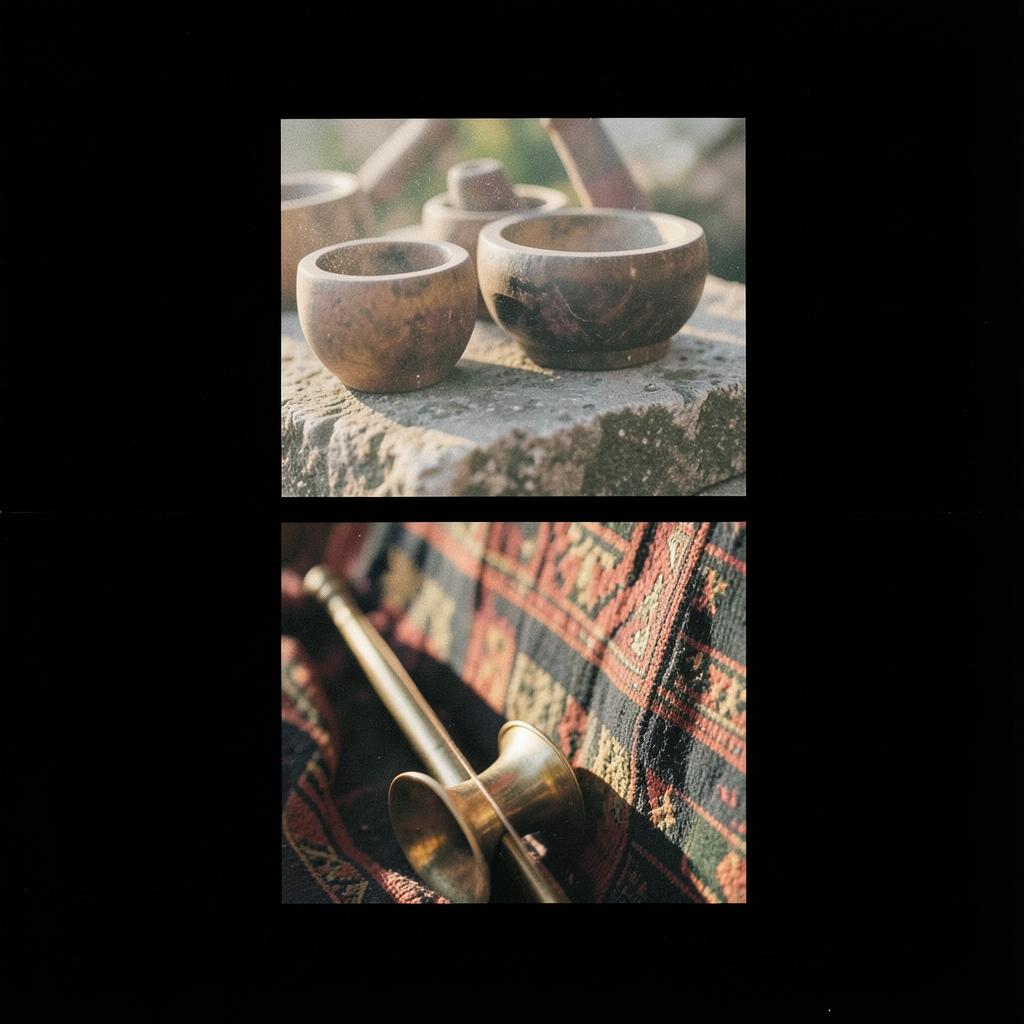


Choose the ensemble
Begin by choosing whether Gondang Sabangunan, Gondang Hasapi, or another setting should lead the arrangement. Let the choice determine the balance between drums, plucked strings, flutes, and the ceremony or gathering around them.
Let the cycle breathe
Hasapi can carry a plucked melodic pattern, while taganing, sulim, sarune, garantung, hesek, and ogung contribute different rhythmic or timbral roles. Keep the cycle audible and give the lead instrument space to answer the voice.
Name the ceremony or story
Wedding, ritual, community gathering, and contemporary stage performance each ask for different language and scale. Batak Toba identity comes through the relationship between music, social function, and instrument. Treat the tradition as living practice, with the large modern pad kept away from its defining details.