Kirtan Music
Kirtan music builds around repetition. A phrase returns, a voice answers and the group settles into the rhythm. This collection brings together Suno-made tracks centred on Aum, Shiva, Krishna and Yeshua. Move from the spare focus of “Aum” to the devotional lift of “Radhe Radhe Shyam Murari” or the cross-cultural devotional language of “Om Namah Yeshua.” You can start with a call and response chant for reflection, a warm vocal bed for practice or an idea for your own song.
Showing 19 of 19
 3:22The Kirtan Begins With A Gentle Harmonium Melody Layered Over A Tanpura Drone, Evoking Deep Calm. Tabla And Mridanga Introduce A Lively Rhythmic Pulse As Call-and-response Vocals Build Momentum. Hand Cymbals Add Sparkle, While Vibrant Group Chants Culminate In A Jubilant
 3:14Devotional Hindi Kirtan With Female Vocals, Airy Flute Leads And Shimmering Santoor Arpeggios Over Gentle Harmonium Drone And Soft Tabla Groove; Tempo Medium And Swaying, Opening Sparse With Voice And Flute Then Gradually Adding Choral Responses
 4:43Gentle Devotional Kirtan With Warm Harmonium Bed, Soft Tabla Groove, And Male Vocals In A Call-and-response Flow. Verses Stay Intimate With Single Voice And Droning Tambura; Chorus Blooms With Layered Choir
 4:50Gentle Devotional Kirtan With Warm Harmonium Bed, Soft Tabla Groove, And Male Vocals In A Call-and-response Flow. Verses Stay Intimate With Single Voice And Droning Tambura; Chorus Blooms With Layered Choir
 5:02Joyful Spiritual Dance-pop With Energetic Krishna Kirtan Rhythm, 112 BPM. Bright Expressive Female Vocal, Uplifting And Playful. Indian Flute
 1:25Traditional Hindu Kirtan Dhun, Ecstatic Call-and-response Group Chanting, Harmonium-led Dhun Melody
 3:44Mystic Sufi Raga Kirtan Deep Intimate Male Spoken Word Poetry Soul, R&B, Disco And Folk
 4:14Sacred Mooji Satsang Kirtan, Deep Warm Male Lead Vocal, Massive Latvian Polyphonic Choir In Grand Hall Acoustics



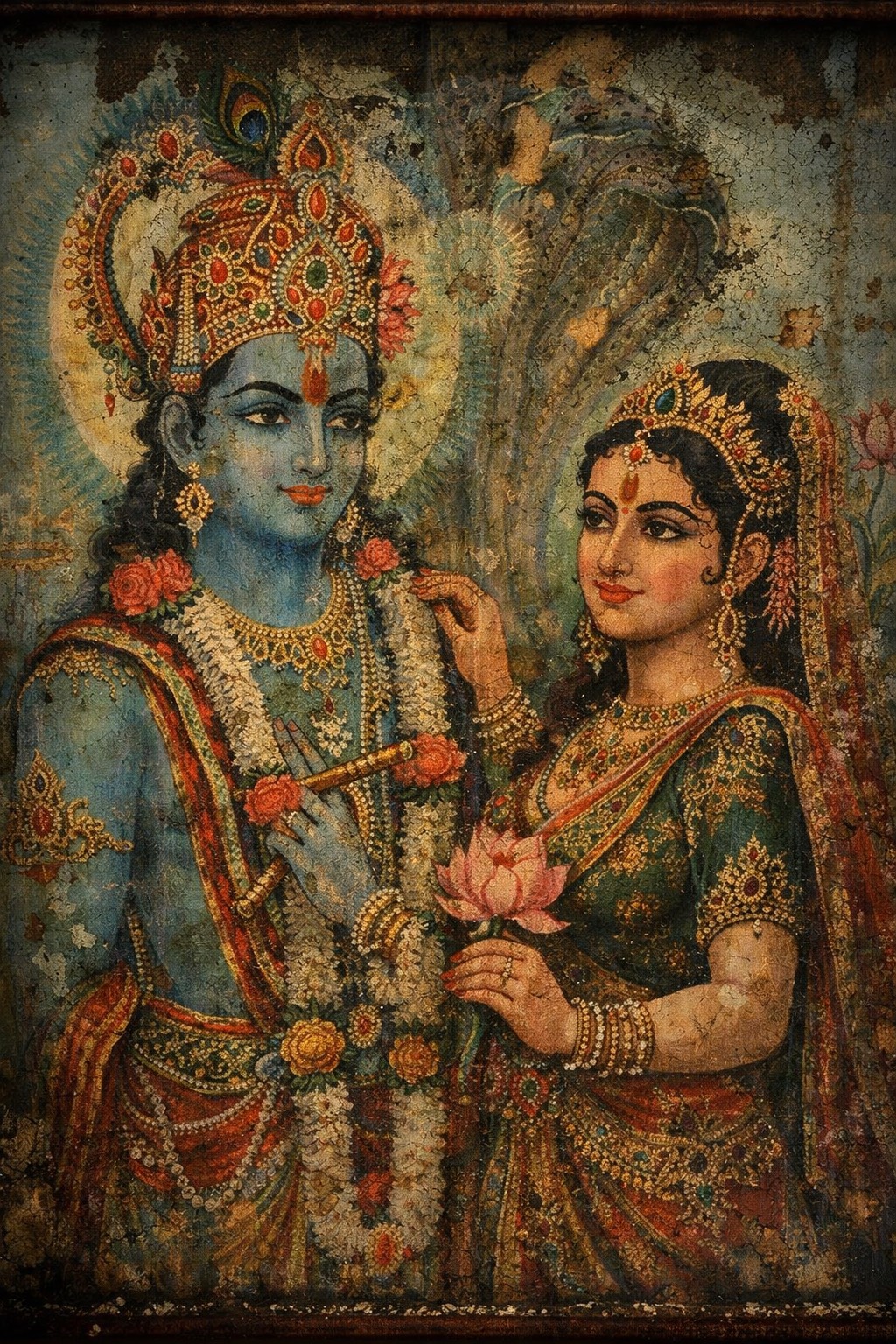




Kirtan music is a call and response chant with a pulse
Kirtan begins with a phrase that people can join easily, then lets repetition deepen the experience. A lead vocal may offer a mantra or devotional line and answering voices repeat it with added emphasis. The structure can feel intimate and meditative or bright enough to energise a whole gathering. Rhythm matters too. A steady hand drum, a swaying groove or a sustained drone can give a short phrase a clear musical setting.
Kirtan can accompany more than formal devotion. Listen to it when you want to settle into breathwork, journaling or quiet focus. Let it accompany a morning ritual, a gentle stretch or a walk when you want to think without distraction. It also offers songwriting lessons. A memorable phrase can carry a song, a returning chorus can lift it and a small melodic change can refresh a familiar line. Kirtan rewards attention without demanding a complicated entry point.
Follow the mantra and find the mood
The titles reflect several moods within the form. “Aum” and “Aum Namah Shivaya” point towards stillness and concentrated repetition. “Krishna kirtanam” and “Vrindavan Milan-Ras Kirtan” suggest a broader devotional mood, with room for warmth, movement and communal feeling. “Radhe Radhe Shyam Murari” is built around a phrase meant to return. Elsewhere, “Om Namah Yeshua” places familiar devotional language beside a different sacred name, while “Пылинка у Твоих лотосных стоп” adds a Russian-language track to the collection.
You can approach each track differently. Listen for the track that suits your mood. Choose a slower chant when you want to quiet the mind. Choose a more insistent chant when you need to wake up your voice or change the atmosphere around you. A title can guide your listening too. Use the words to imagine the response, then notice which melody you want to hear next.
Make a kirtan that sounds like your own practice
Your version can begin with one phrase and one feeling. Maybe you want a chant for sunrise, a low and steady mantra for evening or a joyful refrain that gathers people into the moment. Give the idea a clear centre, then decide how you want the music to move. Keep the lead voice close and direct. Let the response arrive softly or rise with the rhythm. Choose a spacious drone, hand percussion, layered vocals or a brighter pulse.
Use these tracks as starting points. Borrow the focus of “Aum,” the devotional language of “Hare parent's request (Remastered)” or the way “Maha mantra chant 11” builds. Then shape the idea around your own language, setting and mood. Suno can help you turn that idea into a song with a point of view. Start with the phrase you want to hear again. Let the response take shape from there.
Frequently asked questions
- How do repetition and response shape kirtan?
- Kirtan is devotional music built around repeated phrases, mantras or names. A lead voice often carries the line and a group answers it. Repetition gives the music purpose and supports participation, focus and feeling. In this collection, that spirit appears across titles invoking Aum, Shiva, Krishna, Radhe and Yeshua in distinct ways.
- Is kirtan always religious?
- Kirtan has deep devotional roots and is closely connected with Hindu and Sikh musical traditions. Today, people may also turn to its call and response structure for meditation, reflection, communal singing or creative practice. The intent can vary from track to track. If you are making your own, you can choose the language, imagery and emotional purpose that feel honest to you.
- How can a repeated phrase and an answering voice guide a kirtan made with Suno?
- Start with a short phrase you want to repeat and name the feeling behind it. You might choose a meditative chant for morning, a joyful communal refrain or a slow devotional song with answering vocals. Add an atmosphere such as spacious, earthy, radiant or intimate. Then listen back and refine the phrase, pacing and energy until the song feels like your own.