Hanuman Bhajan
The musical shape of Hanuman bhajan comes from the choice between a low dholak pulse beneath the lead and a group refrain that gives each return its weight. That exchange can guide a track you make with Suno by keeping the lead and response in balance. Keep the arrangement close beneath speech, leave space around moving images or gather around a crowd. Use handclaps, a drone and drum accents to change the pressure of each refrain.
Showing 20 of 20
 3:11Traditional Ram Bhajan + Cinematic Devotional शुरुआत: शंख, मंदिर की घंटियाँ और हल्का तानपुरा मुख्य वाद्य: बाँसुरी, हारमोनियम
 5:24Ultra Emotional Cinematic Ram Bhajan | Heavy Mature Male Vocal (Age 50–60) | Deep Soulful Baritone | 65 BPM | Grand Symphony Orchestra, Santoor, Sarangi
 4:19“Create A Soft Devotional Indian Bhajan Dedicated To Lord Ram. Use Santoor As The Main Instrument With Gentle Flute Melodies And Very Soft Tabla Rhythm At 65 BPM. Add Subtle Temple Bells And A Peaceful Ambient Pad. Include A Soft Background Chant ‘Om Ram Om Ram’. The Music Should Feel Divine, Emotional, Calm
 7:48Devotional Ram Bhajan, Soulful Indian Folk Fusion, Melodic Female/Male Lead Vocals
 3:08Create A 30-minute Shri Ram Stotra Meditation Journey With Four Evolving Phases. 0–5 Min: Peaceful Ram Dhyan. Deep Male Baritone Voice Chanting Sanskrit Softly With Devotion. Use Tanpura, Bansuri, Veena
 2:38Song Starts With Silence And Ambient Sound, Calm Devotional Storytelling About Lord Ram, Soft Spoken Voice
 4:38Style: Modern Ram Bhajan / Devotional Tempo: लगभग 72–76 BPM ताल: कहरवा (8 मात्रा) Scale: C Major / सा = C Mood: शुरुआत में विनम्र प्रार्थना → अंतरे में दर्द → मुखड़े में ऊँचा भाव और समर्पण वाद्य: Harmonium, Tabla/Dholak, Bansuri
 5:28Traditional Hindi Ram Bhajan, Peaceful Devotional Atmosphere, Warm Soulful Male Vocal
 4:1590s Emotional Hanuman Bhajan, Heart Touching Bajrangbali Bhajan, Male Crying Vocal
 7:59Devotional Ram Bhajan, Mid-tempo (75-85 BPM), Noble And Dignified Male Lead Vocal With Choir-style Group Vocals In Chorus
 2:55Otional Song, Specifically Known As A Ram Dhun Or Bhajan (0:14). • Genre: It Is A Form Of Hindu Devotional Music Centered On The Rhythmic Chanting Of The Name Of Lord Ram. • Purpose: The Continuous, Repetitive Nature Of The Chanting Is Designed To Aid In Meditation
 3:14The Style Of Music For "Jai Shree Ram" Is Typically Devotional Or Bhajan Music In The Indian Classical Or Folk Tradition





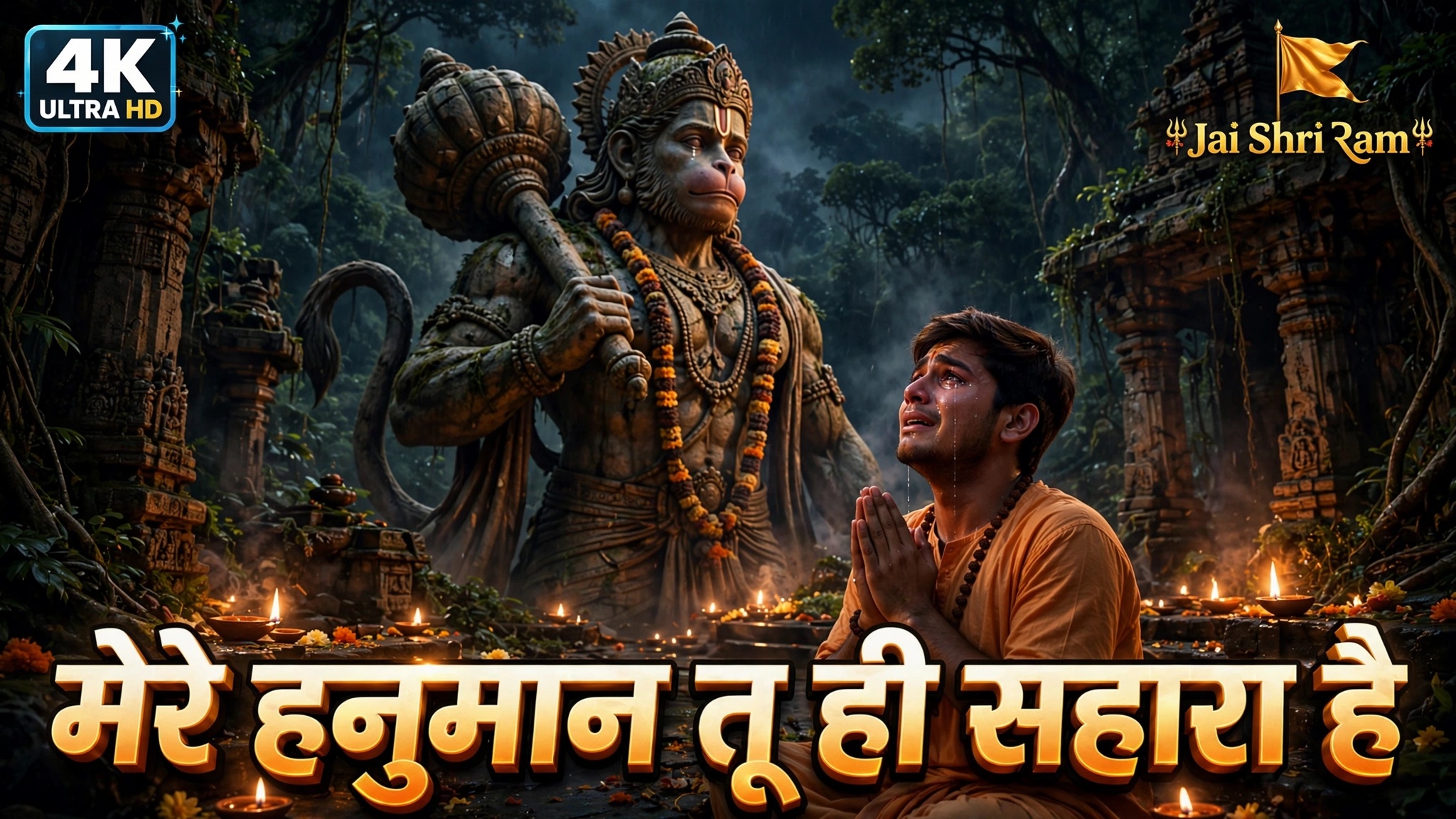






A refrain with room around the lead
Hanuman bhajan arrangements change when another sound shares their space. Under speech, a lead phrase needs short edges and a refrain that returns without filling every gap. Use a steady drone, soft dholak strokes and a light handclap pattern, then leave a beat of air before the group answers. That pause gives the spoken line room. It also keeps the rhythm present without letting the percussion overwhelm the bhajan.
Moving images call for a different kind of timing. A refrain with slightly wider harmony can mark a visual change, while a held note or reduced drum figure keeps the transition open. Around a crowd, the arrangement often benefits from a contour that is easy to catch and a pulse that does not depend on tiny rhythmic details. Match the sound to the medium. Keep it close and restrained for speech, broad and rising for a crowd or spacious with a late return for footage. None of those settings fixes the form. The key choice is how much room the lead, response and drums leave for one another.
Hanuman bhajan's chant cycle and melodic verse
Some Hanuman bhajans lean on a compact chant cycle, with a short phrase returning at a steady pitch and the rhythm doing much of the forward work. Others give the lead a longer melodic line, with ornament, held notes and a clearer climb into the refrain. The distinction comes from where the arrangement puts its motion, inside the repeated phrase or in the lead's changing contour.
Let the drums reflect that difference. Muted dholak strokes and a restrained drone can leave the chant cycle exposed. A melodic verse can take brighter accents, a wider harmonic bed or a brief break before the group returns. Let manjira sharpen the answer without filling every space, and bring in handclaps when the cycle needs a more communal push. If the lead carries the first phrase, let the group answer with a shorter one. Reverse that order for an arrangement that starts with the refrain, and the verse becomes a reply. The musical choice is compact and circular or melodic and unfolding, with the percussion following its direction.
Lead, group and the returning drum
That beat of air before the group answers gives the arrangement a clean entrance. With Suno, put the lead first. Give it a longer verse over low, muted dholak strokes and a steady drone. Let the group take the reply in a short, plainly shaped refrain, with handclaps and brighter drum accents beneath the answer. The exchange can open gradually, so the percussion stays light beneath the verse and grows fuller only when the group returns. This keeps the chant cycle present while giving the melodic line room to unfold.
Give the group the refrain first. Let the dholak mark a compact pulse, then have the lead answer in a longer, more ornamented line as the drum pulls back. For a quieter ending, let the lead carry the closing phrase over one held drone note. For a more collective finish, give the group the final refrain and let the dholak recede after its last accent. Set the opening order, the drum's weight under each speaker and the ending. A late handclap or a single dry stroke can leave the ending open.
Frequently asked questions
- Could harmonium, dholak and manjira share a Hanuman bhajan?
- Harmonium, dholak and manjira can share a compact arrangement when each has a distinct job. A sustained harmonium bed can support the lead without filling the spaces around it. Dholak supplies the rounded pulse, with softer strokes beneath a verse and firmer accents at the refrain. A few well-placed manjira strikes add a bright, brief edge to the group answer. Keep the trio restrained when the lead needs room. Widen the percussion at a return, and the sound becomes fuller without losing its center.
- Where does the lift come from when the Hanuman bhajan tempo stays steady?
- At a steady tempo, lift often comes from density and timing rather than speed. Keep the first cycle light, then add handclaps, a firmer dholak accent or a wider group response as the refrain returns. A short pause before that return can give the next phrase more weight. Faster motion suits a brighter, more buoyant arrangement, while a slower cycle leaves more weight in each stroke and syllable. Tempo sets the frame. Density and timing shape how much energy gathers inside it.
- Which opening and closing shapes recur in Hanuman bhajan arrangements?
- An arrangement may open with a drone, a small drum figure or a lead phrase before the group enters. Another may bring the refrain forward and use the verse to vary its contour. For the close, the group can repeat a shortened phrase as the dholak thins out, or the lead can carry one final phrase over a held note. These are arranging choices, and the form leaves room for variation. The first entrance helps set the listener's sense of space; the ending helps decide how much sound remains after the refrain.