Ganesh Bhajan
A Ganesh Chaturthi procession can turn toward its next refrain over dhol-tasha beats. This collection brings together AI-made music shaped around Ganesh bhajans. Suno lets you make a Ganesh bhajan around the pulse, vocal shape and occasion you want. Existing songs, recordings and artist names do not appear in this collection. The tracks are new AI-made Ganesh bhajan music for creative reference. Listen for the lift of a procession, an aarti-style return or the close of a farewell day.
Showing 20 of 20
 5:54🚩 पोईसरचा महाराजा 🚩 Style: High-energy Marathi Ganpati Anthem Music: Puneri Dhol-Tasha + Lezim + Tutari + Zanj + Nagara Duration: 1:30 --- [0:00–0:10] — GRAND INTRO (शंखनाद → मंदिराच्या घंटा → हलका ताशा रोल) गायक — दमदार आवाजात: गणराया आला रे… आनंद घेऊन आला रे… पोईसरच्या अंगणात, मोरया राजा आला रे! (Tutari Blast) गायक: गणपती बाप्पा…! Crowd: मोरया!!! --- [0:10–0:30] — Dhol-Tasha Build (Puneri Dhol + Tasha Rhythm सुरू, हळूहळू Intensity वाढते) ढोल ताशांचा नाद घुमला
 4:36Powerful Male Devotional Lead Vocal, Odia Pronunciation, Unique Energetic Singing Style
 3:02Devotional Ganesh Bhajan With A Serene Temple Atmosphere. Start With Soft Tanpura, Temple Bells And Gentle Flute. Traditional Indian Devotional Melody, Soulful And Memorable. Medium Tempo With Harmonium
 7:59High-energy Indian Devotional Ganesh Bhajan, Powerful Male Vocal With Energetic Group Chorus, Pure Hindi Pronunciation. Dhol
 4:59Festive Ganesh Chaturthi Special MUMBAI… TAIYAAR?” → Silence → Crowd Screaming “MORYAAAA!” → Dhol + Bass Drop Should Be The Centerpiece. I’d Also Have Suno Leave A Long Instrumental Section After That Drop So It Feels Like An Actual Dance Track Rather Than Continuous Vocals.
 4:27Epic Mumbai Ganesh Devotional Anthem With Lalbaugcha Raja-style Festival Energy. Deep Powerful Dhol-tasha, Massive Low-end Dhol Bass, Thunderous Maharashtrian Rhythms
 6:07Create A Grand Original Tamil Lord Murugan Devotional Anthem With A Powerful Cinematic Spiritual Atmosphere. Lord Murugan Must Be The Main Musical Focus, While Lord Shiva, Goddess Parvati And Lord Ganesha Are Introduced Naturally As Part Of The Divine Family. INTRO: Begin With A Deep Temple Ambience
 5:13Grand Marathi Ganpati Festival Anthem, Traditional Maharashtrian Devotional Music Blended With Cinematic Orchestration, Powerful Dhol-tasha Pathak Rhythms
 4:21--- _SUNO AI PROMPT - 5 MIN VERSION_ Tamil Temple Devotional, Ganesha Bhajan, Melam Beat
 4:13Emotional Telugu Devotional Song For Lord Ganesha, Cinematic Spiritual Atmosphere, Slow 80 BPM Beginning Building Gradually To A Powerful 115 BPM Finale
 3:32Create A Powerful Telugu Ganesh Chaturthi Festival Anthem With Editable Placeholders: [HINDU YUVASENA], [NEHRUNAGAR], [46]
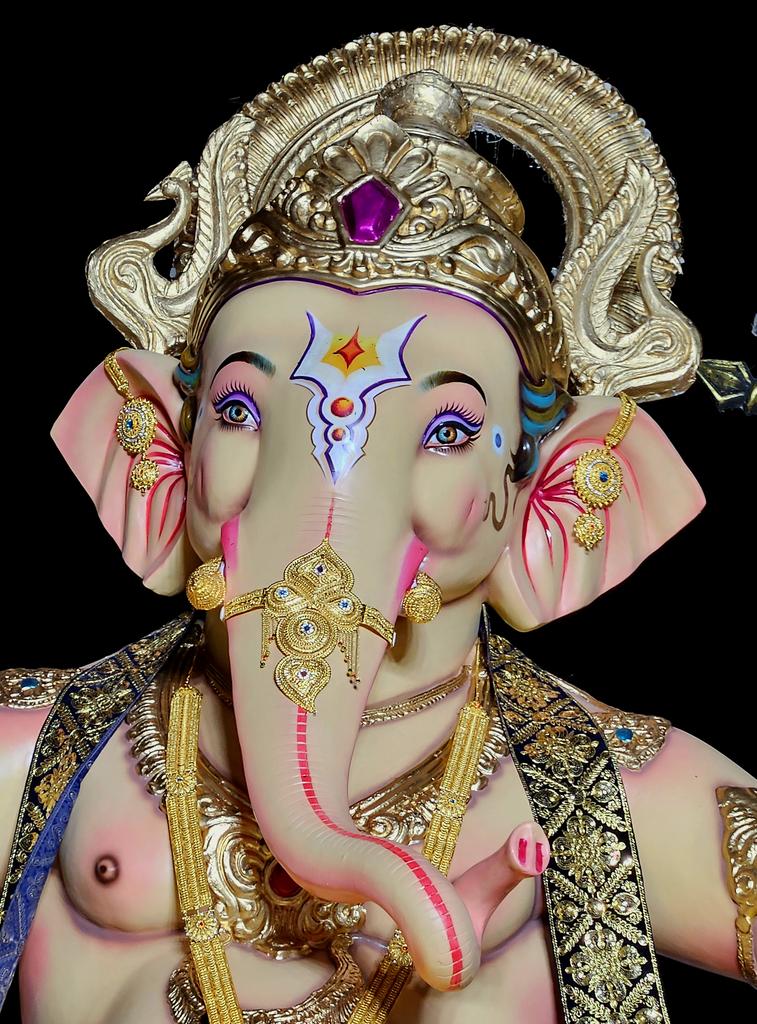
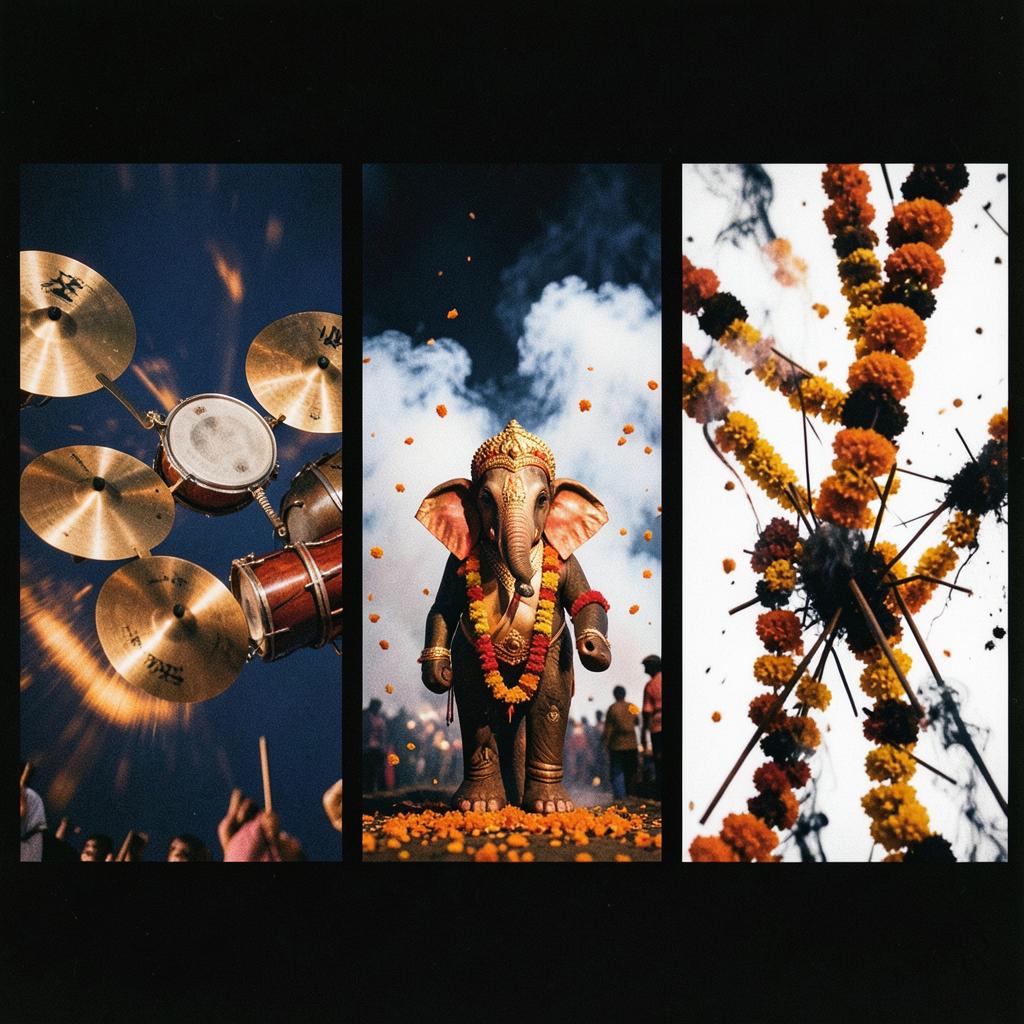
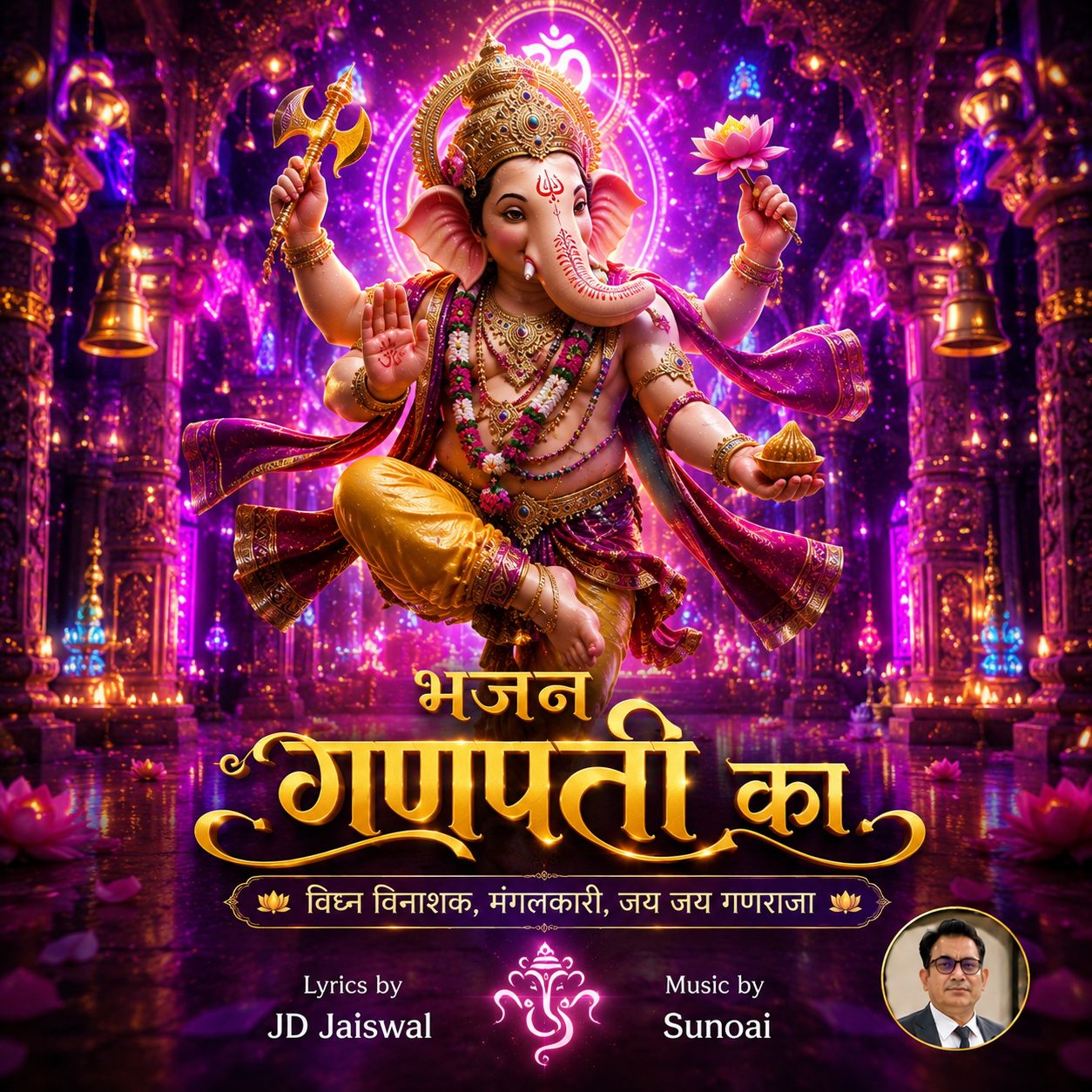
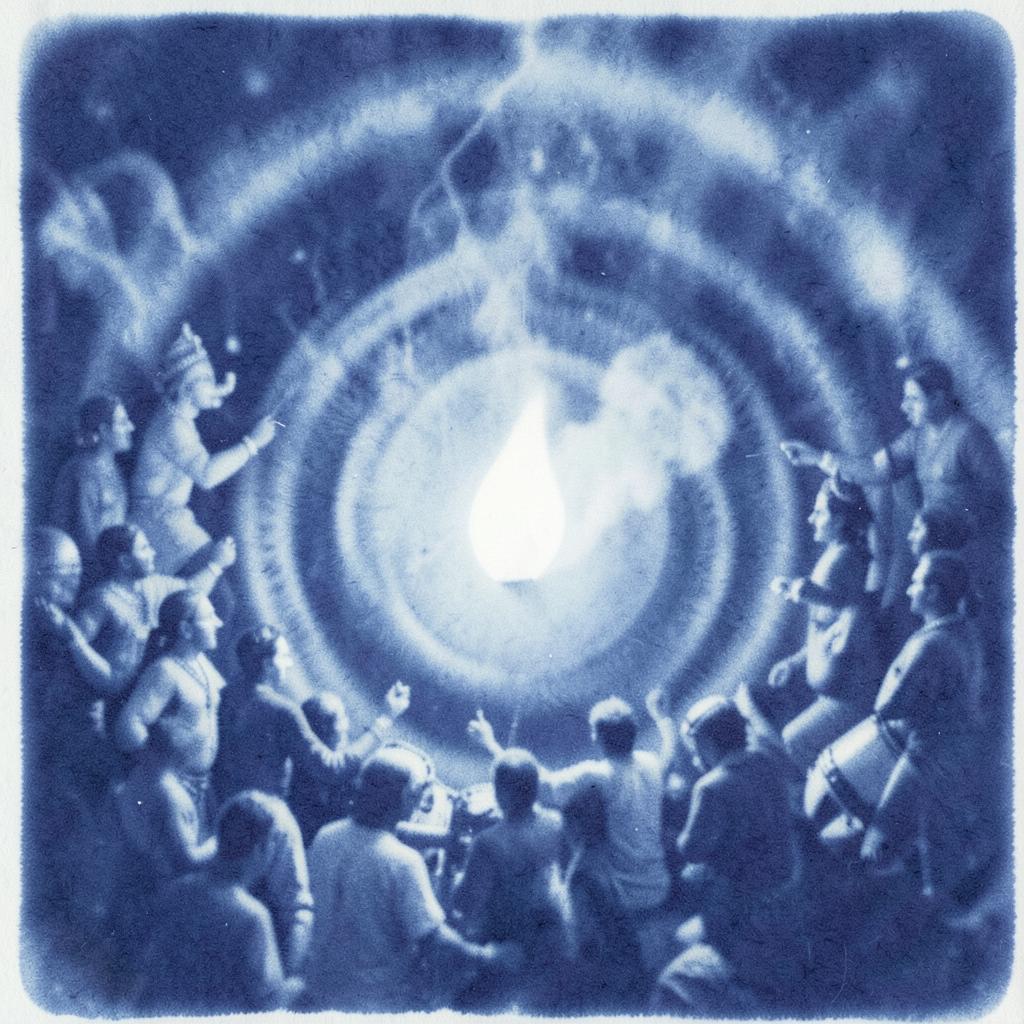
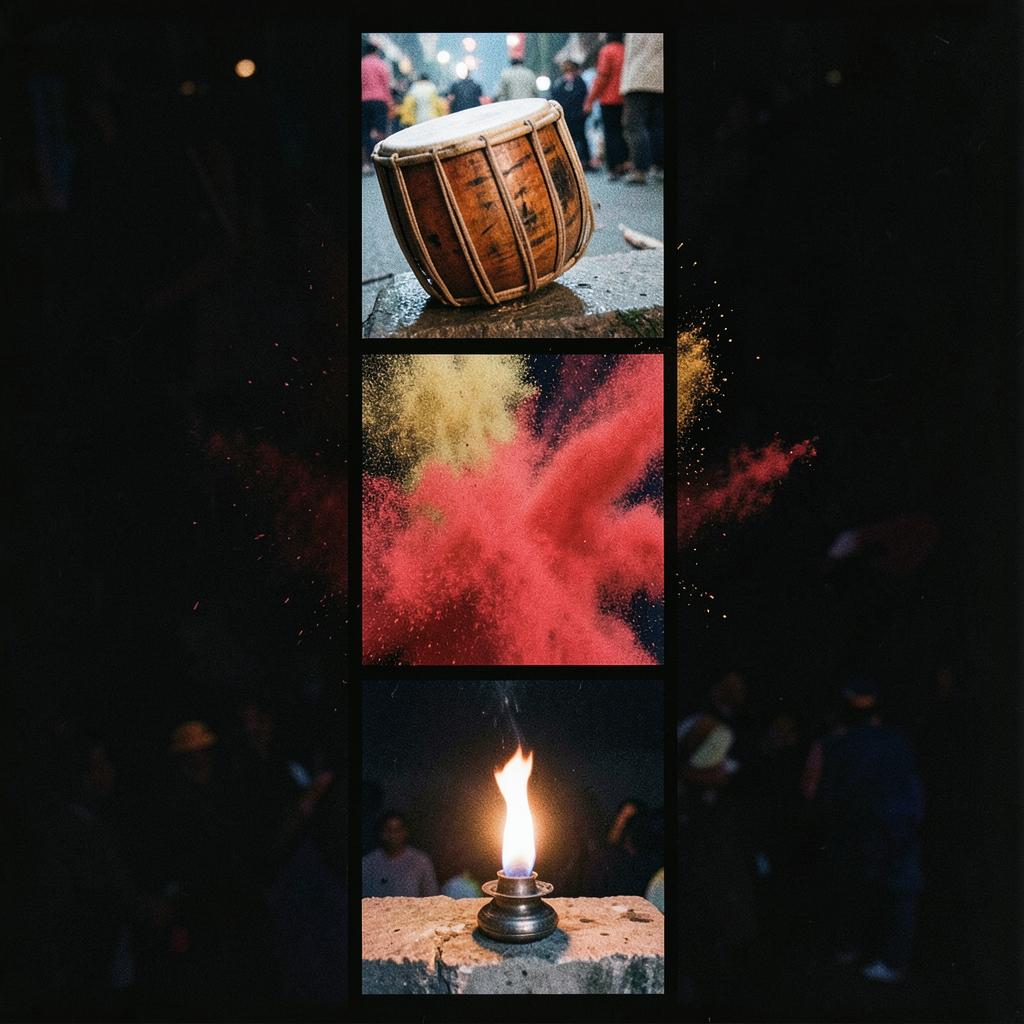
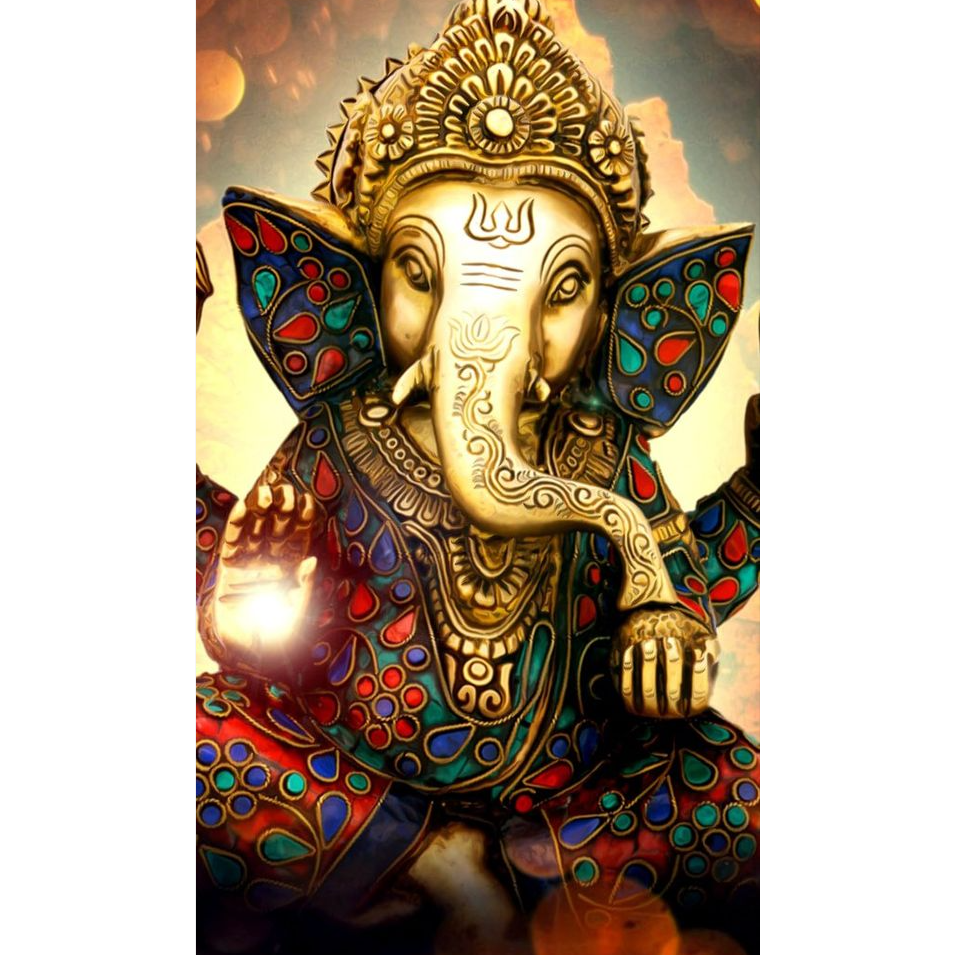


How a Ganesh bhajan carries a procession pulse
Use dhol-tasha to set the festival pulse. Let the dhol support the procession and use tasha accents to mark turns around the refrain. Leave enough space for the lead vocal before the dhol-tasha response returns. On a welcoming day, open with a compact drum figure and bring in the fuller response after the first sung line. At farewell, hold the opening longer and build the last return with a broader dhol-tasha pattern. Let the first refrain stay clear before the closing swell takes over.
Listen to AI-made music shaped around Ganesh bhajans and compare the space between a close vocal phrase and a drum answer. Consider where an aarti-style refrain could open for a group entry. A clipped vocal line suits a quick tasha accent, while a longer sung phrase gives the refrain time to settle before its next return. At an evening gathering, use sustained harmonium to center the texture and bring in manjira at selected points. Lighten the drum layer enough for the farewell refrain to stay clear. Choose one detail to carry into a future arrangement, such as a tasha break before the refrain or a dhol lift at the close.
Ganesh Chaturthi music from shrine to farewell day
For a Ganpati procession, try dhol-tasha energy under short vocal phrases and a group response that opens at the refrain. At a home shrine, build an aarti-style song around a close vocal, with harmonium holding a steady bed and manjira entering at selected returns. Treat the welcoming day and farewell day as distinct moments, then choose a bright arrival, a measured opening or a fuller final refrain. Give the first refrain enough space for the lead vocal to remain clear.
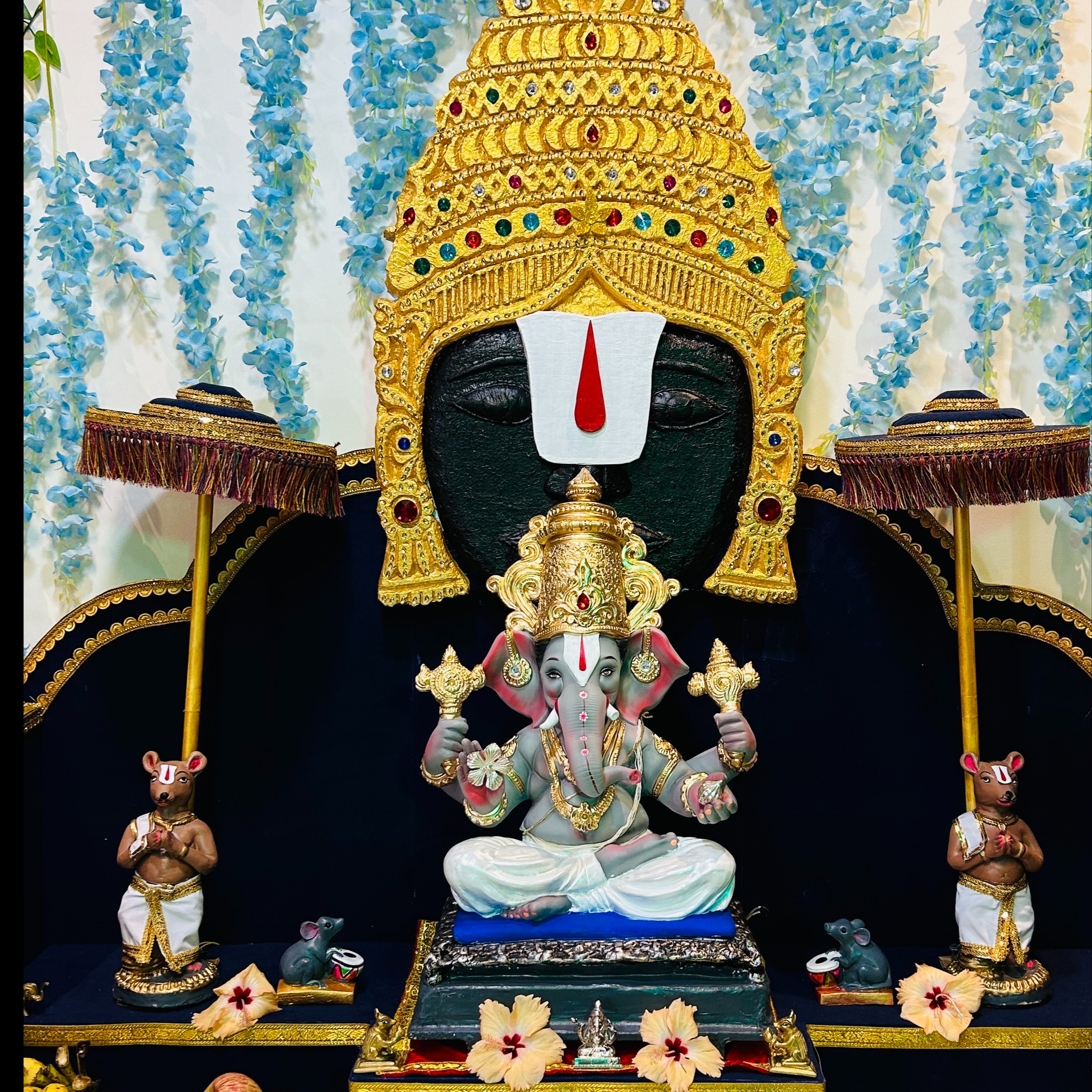
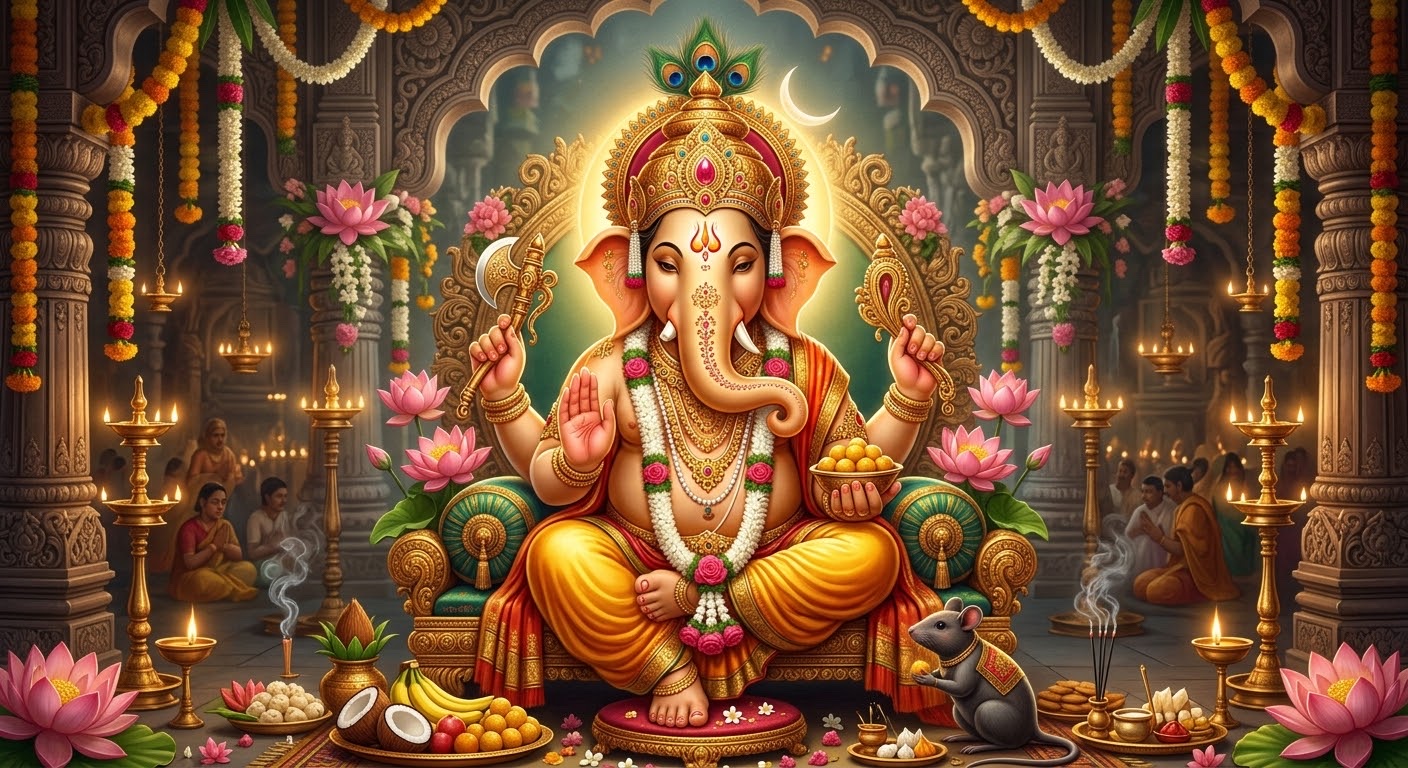
For a family video, keep the opening compact when the image introduces a home shrine, then reserve a wider group response for the turn on a farewell day. On a festival stage, place a brighter upper percussion layer. In a smaller gathering, keep the dhol restrained and give the vocal line longer spaces. Choose a welcoming lift or a farewell swell to give the music a clear role. Let the final lyric line and the final drum gesture meet at that chosen moment.
Describe a Ganesh bhajan for Suno
The Ganesh Chaturthi occasion gives the bhajan its musical direction. Give the music a driving dhol-tasha pulse under short lead phrases, bring in the group response after the first return and keep a wider swell for the farewell day. For an aarti-style welcoming song, keep sustained harmonium, selective manjira and a vocal character that is easy to follow. Use a measured or gradually building tempo feel to suggest the arc without fixing an exact speed. Let the closing swell answer the opening pulse after the group refrain returns.
On Suno, choose one occasion, add lyrics you write for the welcoming day or choose an instrumental, then listen and adjust the musical plan if the tasha covers the words, the harmonium sits too far forward or the closing dhol-tasha swell does not fit the farewell day cue. Keep the vocal character close through the opening or broaden the group response at the farewell turn. A bright pickup suits the first return. A longer held phrase gives the farewell close more space. If the drum weight overwhelms the sung line, lighten the percussion in the musical plan; if the refrain feels narrow, give harmonium and manjira more space. Match the tasha accent to the Ganesh refrain, then return to that refrain after the closing drum swell.
Frequently asked questions
- What changes in a Ganesh bhajan from procession to farewell?
- A Ganesh bhajan can center on a returning sung refrain, with the arrangement changing for a procession, home shrine or farewell gathering. For a procession, a maker might place dhol-tasha beneath short lead phrases and a group response. A home shrine aarti-style song might keep harmonium sustained and manjira selective, while a version for a farewell day could gather more drum weight near its close. These are arrangement choices for new AI-made music built around dhol-tasha, a home shrine and a final drum swell.
- Does this collection include famous Ganesh songs?
- Existing recordings, song titles and performer names do not appear in this collection. It contains new AI-made music shaped around Ganesh bhajans. You can hear it as a reference for a dhol-tasha procession pulse, an aarti-style refrain or a closing festival lift. Suno lets you make a Ganesh bhajan around a dhol-tasha pulse and a welcoming or farewell day, using lyrics you provide or choosing an instrumental. The collection focuses on hearing and making these dhol-tasha and aarti-style choices.
- How do dhol-tasha, harmonium and manjira shape a Ganesh bhajan?
- The Ganesh Chaturthi occasion gives the bhajan a clear setting. A procession version leans toward dhol-tasha energy, short lead phrases and a group refrain. A home shrine aarti-style version leans toward sustained harmonium, selective manjira and a close vocal character. On Suno, describe those choices, write lyrics for the welcoming or farewell day or choose an instrumental, then adjust the musical plan around the balance between dhol and vocals. Keep a measured or driving dhol-tasha feel so the welcoming lift can gather gradually.