Vintage Music
Vintage music can sound close and worn at the same time, with bright brass cutting through tape hiss. These AI-made tracks were created with Suno and involve no existing recordings or named performers. Listen for how surface, pulse and arrangement create the period feeling. A patient bass line, clipped drums and a chorus that opens out help give the arrangement that period feeling.
Showing 20 of 20
 1:49Retro 70s Novelty Pop Instrumental. Dry Vintage Production, Bright Plucked String Lead, Simple Snare-and-kick Rhythm
 3:52"An Old Russian Retro Song With A Tempo Of 60-79 Beats Per Minute Envelops Soulful, Tragic Melodies In Minor Keys. The Accordion Leads With Dramatic Brass Instruments Such As The Trumpet And Trombone. Against The Background Of A Military Snare Drum And Distant Marching Drums, A Baritone Male Vocal (G1-B4)


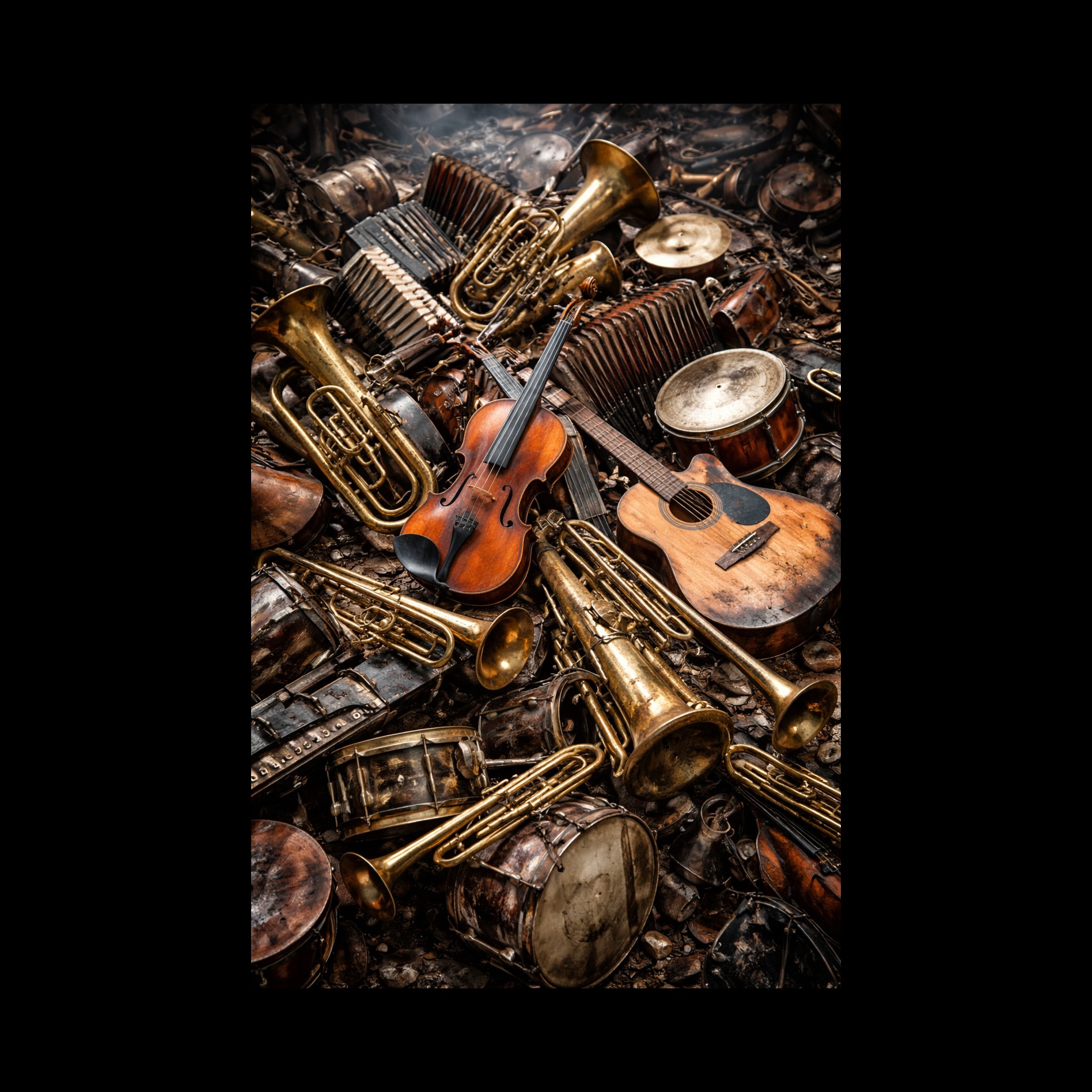




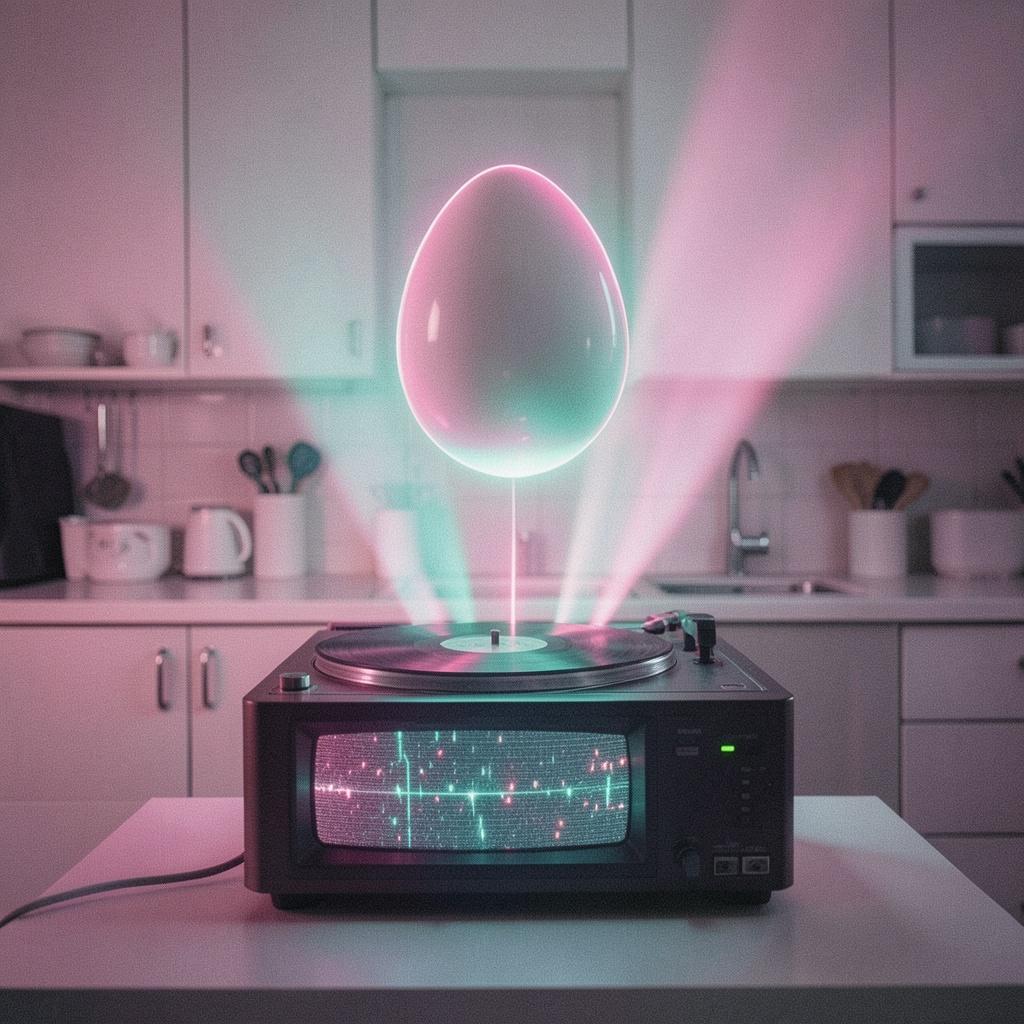



Vintage music balances surface age with playing detail
The period feeling comes from the recording surface, the playing and the room around them. Use a small room, soften the transients, add light tape wobble or leave a little grit around the edges. Let the playing lean into a loose swing, a bass line that sits just behind the beat or a melody that leaves deliberate gaps. The strongest combinations make those layers fit together. A dry piano and close snare need a room that stays small. Bright brass needs enough space for its attack to flash. These sounds cross decades and styles, so the label alone does little work. Texture works best when it fits the movement.
Retro often points to a visual reference. Period color comes through in a dragged eighth note, a soft kick and space after the snare. A clipped backbeat with handclaps creates a different feel from brushed drums under a patient waltz. A close vocal often changes the room more than hiss alone. Keep the arrangement polished with one worn texture, or let the whole track lean toward faded tape and a worn surface. Keep the elements together with a pulse that leaves room, an aged surface and a melody with space between phrases. Together, those choices give the arrangement tension.
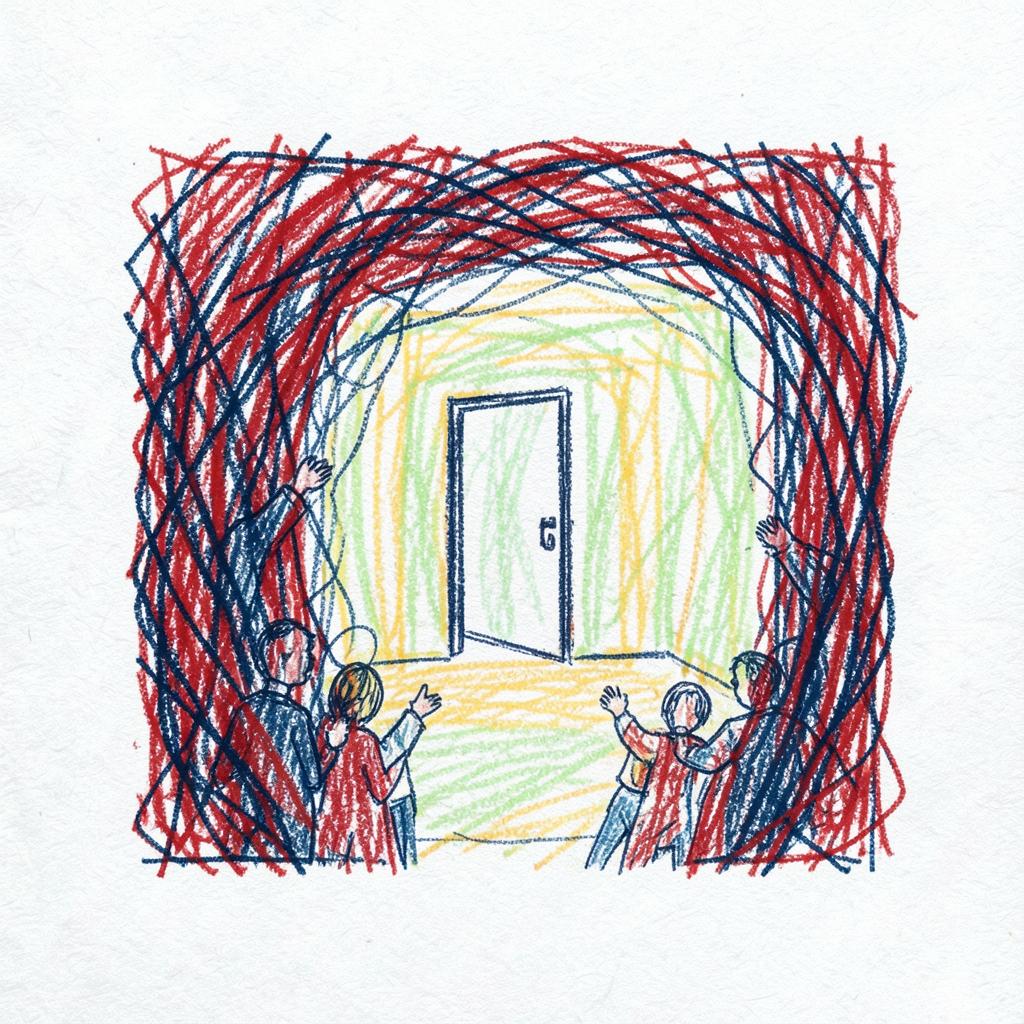
Brass at the doorway shifts the room's mood
For a scene of kitchen talk, let a dry snare add a little shine before the image takes focus. Keep the groove buoyant enough for voices. Let a thump from an upright bass or a clipped guitar figure carry it forward. A bright brass answer can lift a toast, add shine at a doorway or push a shared joke toward celebration. For a duskier, quieter room, try a low organ bed with close piano. In a gathering, leave room for talk, glassware and laughter, so the arrangement joins the room without filling every inch.
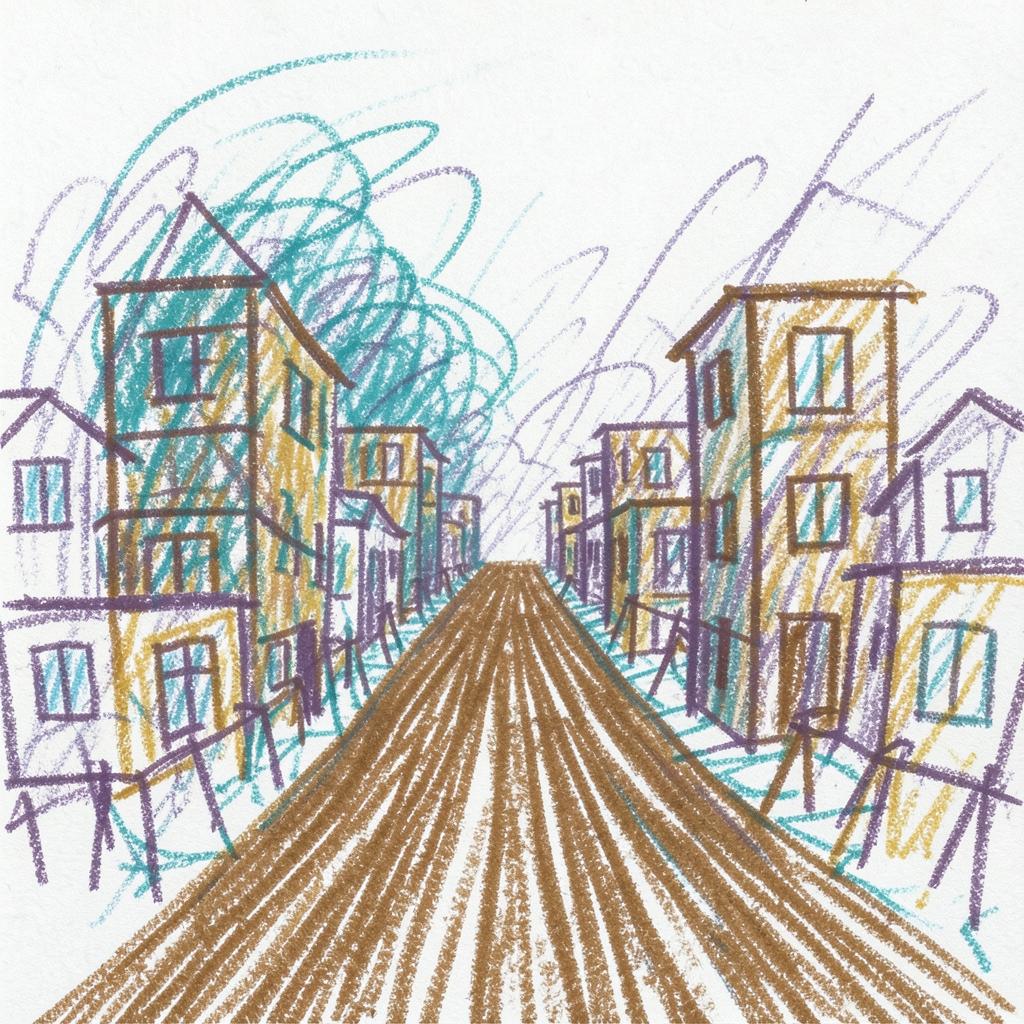
For a moving image, hold the brass reply until the doorway appears and bring it in with the light. Try a tremolo guitar under a slow pan for a street that feels half-remembered. Use a tight snare and short brass reply when a departure needs alertness. In a bedroom, try softened drums and a narrow vocal to draw attention to small details, such as a hand on a lamp or rain at the window. Let one part lead, bring in the rest at measured points and match the room size to the moment. Bring in the final brass accent with the light.
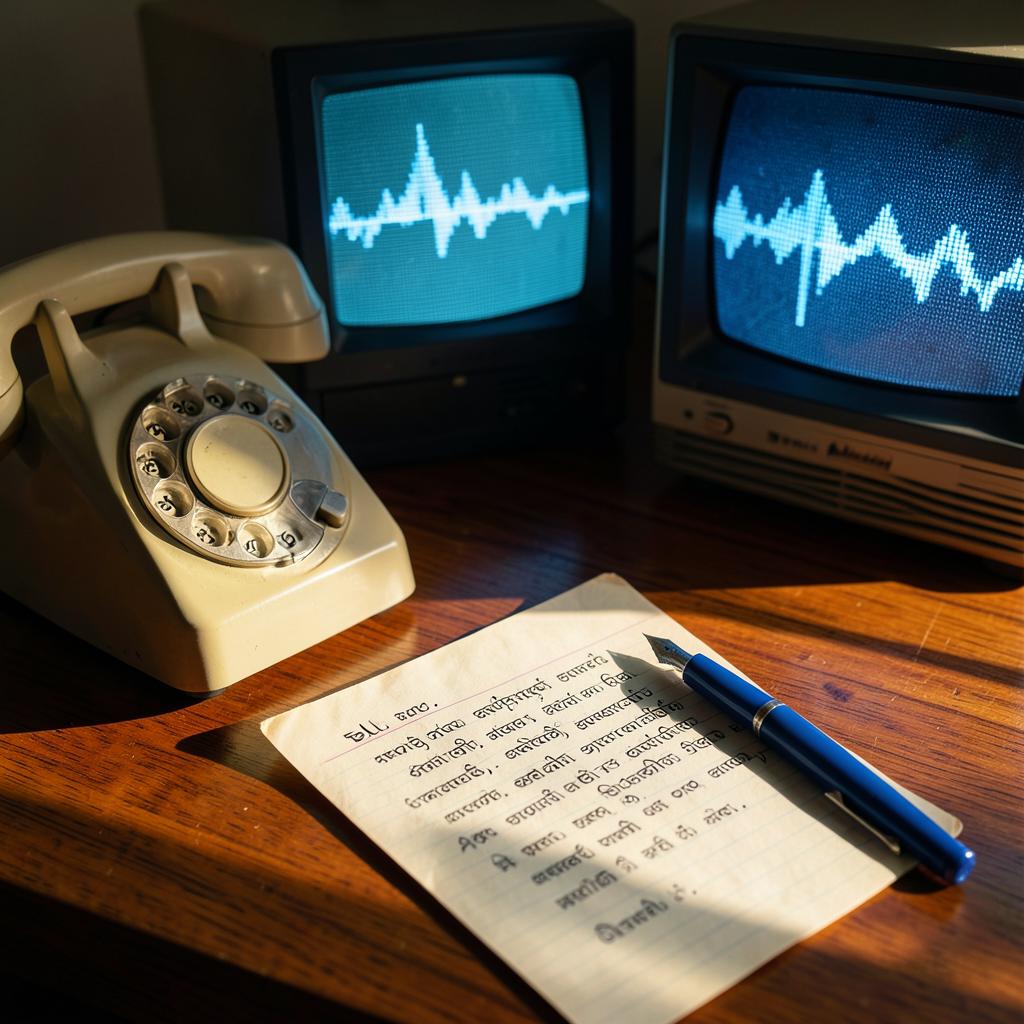
A brushed snare needs a clear contrast
The delayed brass reply from the doorway creates the first point of tension. Give the track a relaxed swing or a clipped backbeat as its rhythmic foundation. Pair the groove with a close vocal that has a little breath in it or a softened instrumental edge. Keep one recording texture in front. Shape the form with a compact verse, a chorus that opens out and a brief instrumental passage before the closing section. Use Suno to set the tempo direction and arrangement energy. Keep the opening tight, then let the arrangement open up. That contrast lets the period color come from the arrangement.
Now swap the swing for the clipped beat and leave the brass out of the entrance. Check the first eight bars for a convincing opening, with space for the close piano, a texture that sits beside the melody and a chorus that earns its wider room. If the balance shifts, bring back the delayed reply, shorten the instrumental passage or let the bass arrive a fraction behind the snare. The final chorus should open out while the room stays close.
Frequently asked questions
- Why do older recording colors shape vintage music?
- Older recording colors come from musical practice meeting physical limits. Narrow frequency ranges, close microphones, room bleed, tape saturation and small ensembles each left a different mark across radio, discs and tape. Later makers use those traits to suggest the period, pairing a softened surface with a clear bass line or a dry room with bright brass. A focused set of sounds often works better. One or two aged textures give the arrangement a period direction and leave the melody in charge.
- When does vintage music start sounding like a costume?
- A borrowed surface starts to feel pasted on when the performance ignores it. A rigid beat under heavy hiss, a wide modern room around a close vocal or a busy chorus after a spare verse pulls the parts apart. Give the groove a matching pocket, keep the room size consistent and let one texture return at the chorus entrance. The ear often trusts a few related cues, such as a softened snare with a patient bass or a dry piano with tight backing parts. Restraint makes the period color feel deliberate.
- How does doo-wop tint a vintage chorus?
- Doo-wop often builds its lift from a lead line framed by stacked backing syllables. A compact harmonic loop and a bass part with a clear walk keep the foundation moving. Handclaps or a light kit add motion without crowding the blend. A short echo suggests a small room. To bring that shade into a song, keep the vocal spacing close, repeat the response and bring in the backing parts at a clear point. Keep the arrangement spare enough for the harmony to glow, and let the chorus widen by degrees instead of arriving at full size.