Space Music
A bass note hangs beneath a pale synth, then a fleck of static seems to cross the room. Space music turns that distance into a choice. Keep a steady orbit with kick and bass, or let the pulse thin until tone and echo carry the motion. Tracks made with Suno can take either direction. Set the track's weight, tempo and sense of width, then let two parts answer one another as the rhythm recedes.
Showing 19 of 19
 3:37Deep House With A Tech-house Influence. A Prominent Four-on-the-floor Kick Drum And A Crisp, Syncopated Open Hi-hat On The Offbeats Drive The Rhythm. The Bassline Is A Sub-heavy, Rhythmic Synth Pulse That Locks With The Kick. A Recurring Staccato Synth Pluck Riff Provides Melodic Movement. Female Vocals Are Processed With Heavy Reverb And Delay
 4:35A Live Electronic Performance Featuring Screaming And Sing-along Crowds At A Slow Tempo, Featuring Analog Synthesizers, Electronic Drums


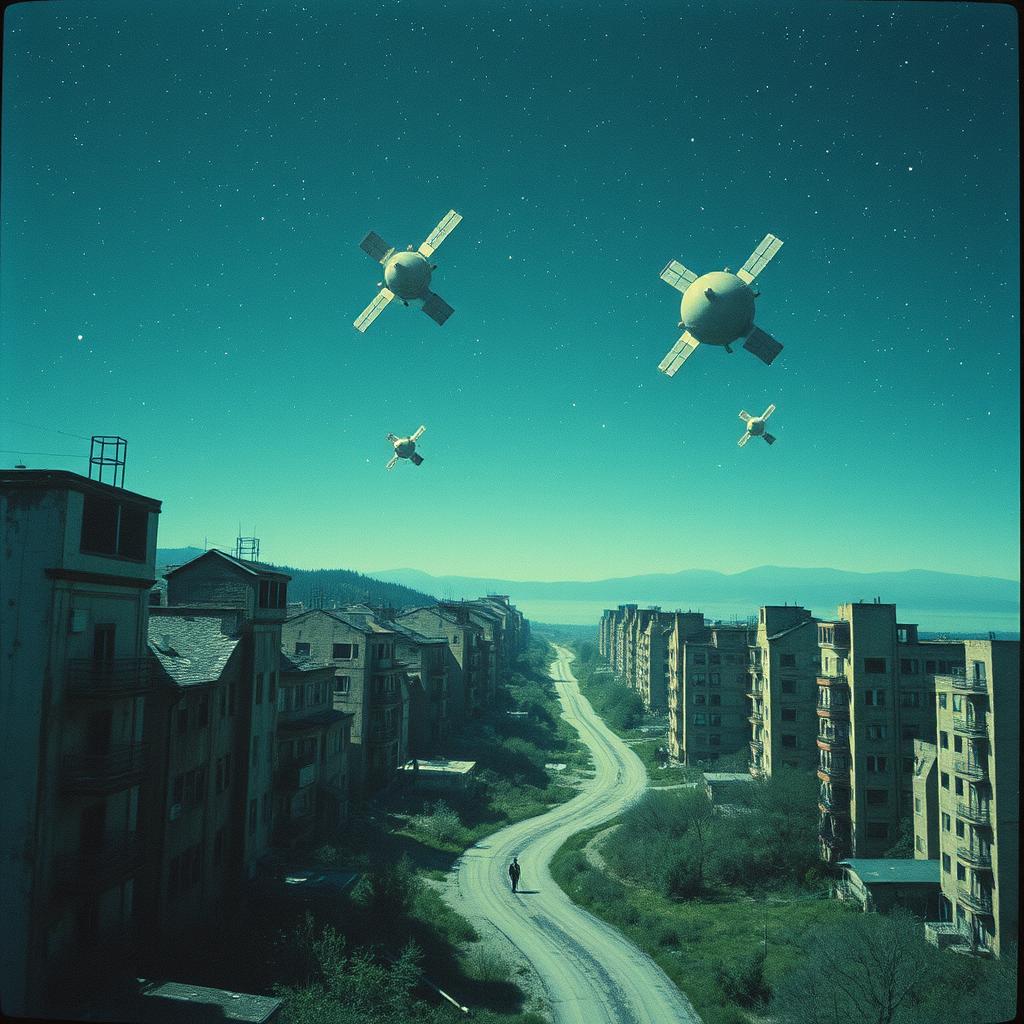






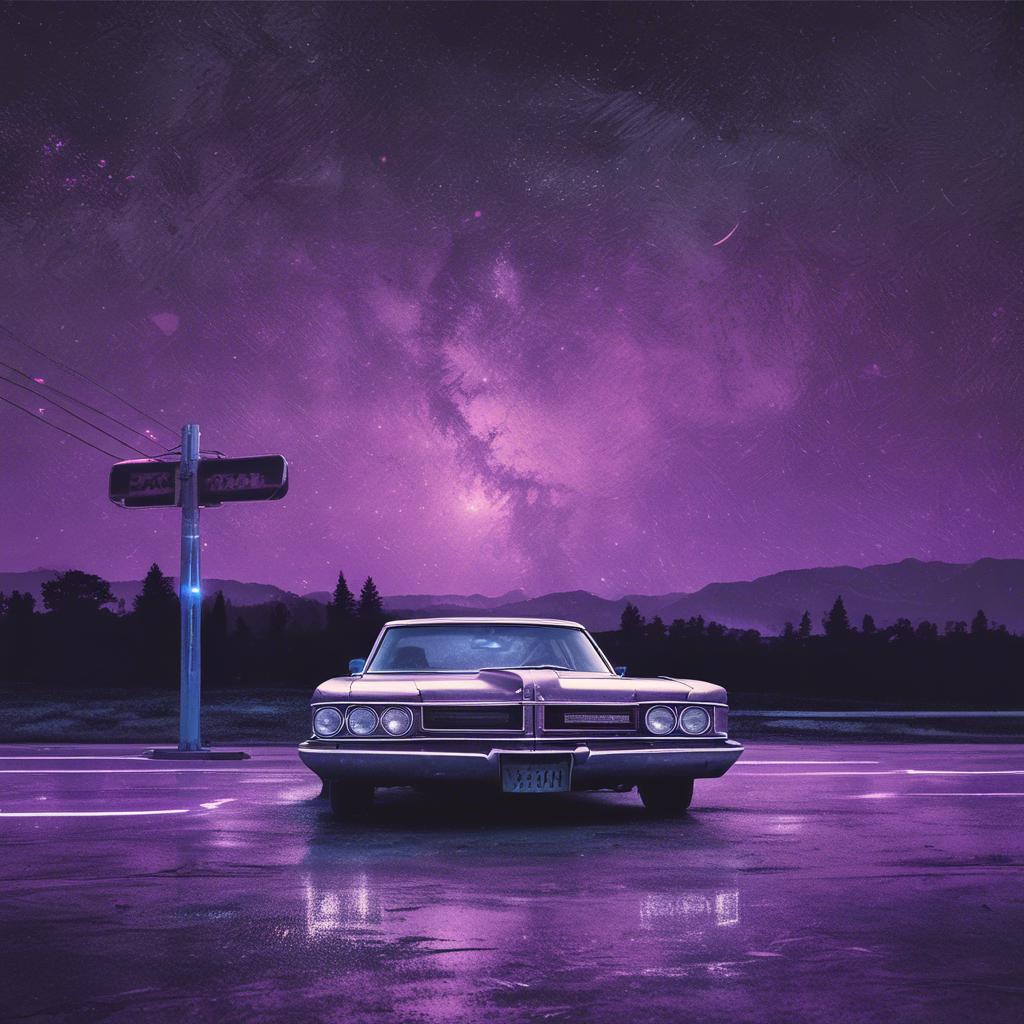





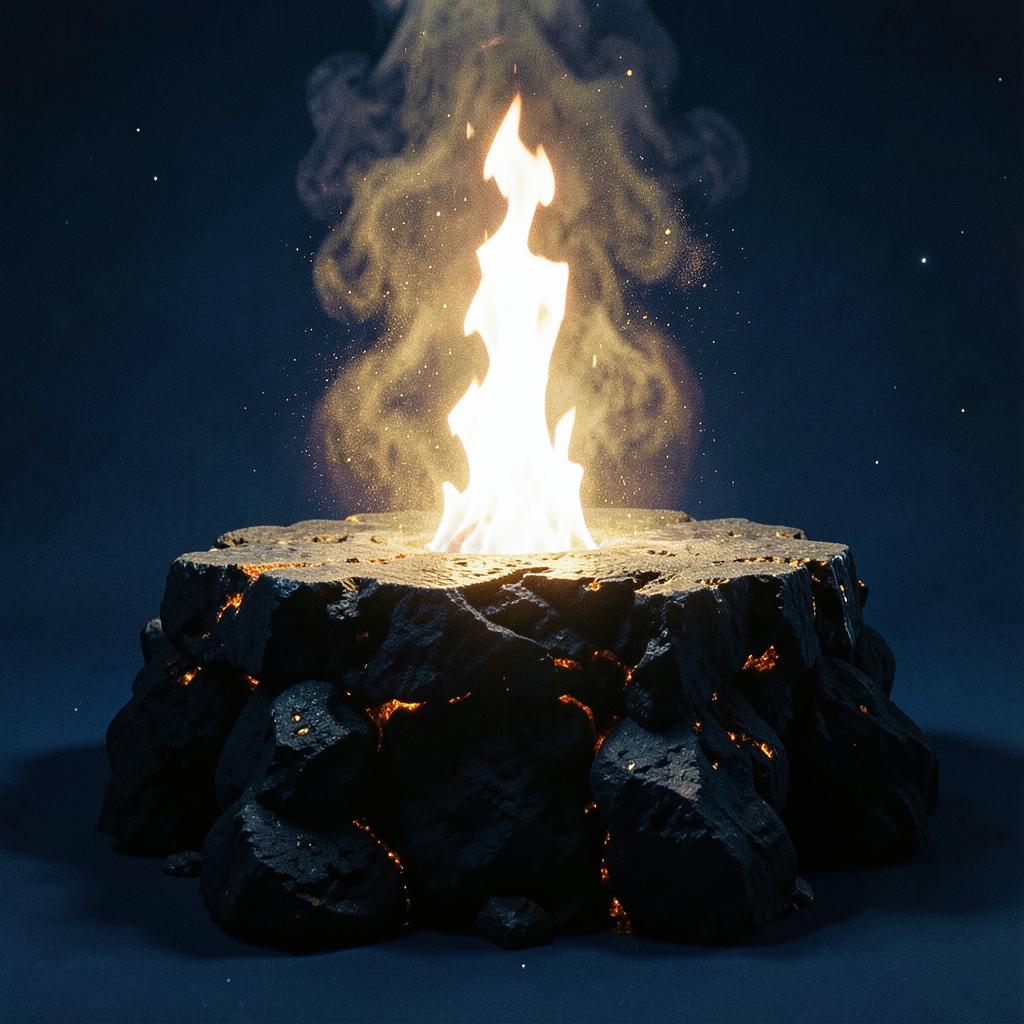



Space music balances orbit and drift
Space music can keep the beat grounded. A plain kick, a repeating bass figure or a clipped sequence can keep it grounded. Add one high tone above the pattern so the arrangement widens while its center stays clear. A different approach lets the pulse recede and gives sustained harmony, long decay or a slow-changing drone more room. The difference comes from how much weight the groove keeps as the upper part grows less familiar.
For a steady orbit, set a patient tempo and return to one small rhythmic figure after each widening passage. For a more distant feel, leave percussion sparse, use open intervals and let a motif appear only after the atmosphere has settled. A measured bright arpeggio can leave room around it, and a heavy kick can still leave room for distance. Pair a stable low pattern with a sound that bends in pitch or texture. The contrast gives the ear something to follow while the genre stays open.
From a low tone to a fading shimmer
Start with one event that sets the scale. Choose a low sine tone, a dry click, a held chord or a distant hum. A close, lightly treated sound keeps the first space near the ear, while a long tail widens it. Add weight by degrees, letting the pulse arrive after the tonal center has settled. One changing detail, such as a higher register or a shifted drum accent, gives the repetition movement without crowding the arrangement. A brief gap, a bass note held beyond its expected release or a new snare accent can give the next passage more weight.
At the close, bring back one recognizable cue and thin the rest. Keep the kick under a widening pad, or let the bass fall away and leave a high tone with a long decay. A motif repeated at a slower density suggests distance, while the same motif in a tighter pattern keeps the orbit active. Let the ending leave one pulse, one interval or a fading wash. The surrounding layers may disappear in stages, leaving the opening cue in a new register or a thinner texture. Keep either the low tone under the fading shimmer or the shimmer above an empty low end.
A low pulse meets a widening shimmer
The low sine tone from the opening sets the arrangement's center, while the fading shimmer makes the space feel wider. In Suno, give the two parts clear entrances and let them answer each other. Let the pulse arrive first with a close bass figure and restrained kick, then let the shimmer answer after the tonal center settles. Keep the drums dry and patient beneath the pulse. As the upper part takes focus, thin the kit to a soft tick or leave more silence around it.
Give the shimmer a slight pitch bend, a long decay or a small interval change each time it returns. Let the bass hold a spare pattern underneath. That contrast often gives the arrangement a sense of motion without demanding a faster tempo. For the closing change, let the shimmer remain after the bass and drum bed recede. Keep the opening energy in that suspended ending, with more space around the central pulse. Use a clear contrast between the low pulse and the bright upper sound.
Frequently asked questions
- Must every space track drift without a beat?
- Slow, ambient drift is one route into space music. A maker can build the same sense of scale around a firm kick, a repeating bass figure or a compact drum pattern, leaving room in the harmony, tone or decay for distance. Space music centers on imagined scale and motion, while tempo and instrument choices stay open. A crisp sequence and a wide sustained pad can share a track when their roles stay clear.
- When does the low end usually recede in a space track?
- There is no fixed point. A maker often pulls the kick or bass back after the central pattern has settled, using that gap to widen the upper texture. The return may bring the low part back unchanged or with a new register, accent or density. Space music leaves room for several ways to create a suspended feel. Held harmony, sparse drums or a change in timbre can supply that feeling without removing the bass at all.
- In space rock, what keeps the groove intact as effects widen?
- Space rock often keeps a recognizable rhythmic or harmonic center while guitar color and reverb spread across a wider register. One approach holds a repeating bass figure under long guitar tones, lets the drums move from a tight pattern into broader accents and reserves larger harmonic changes for later. The forward pull comes from motion inside that anchor. The groove stays present as the upper layer grows rougher, brighter or more distant.