Punjabi Songs
Listen for a first tumbi pluck, a dhol held back behind it and the algoza's breathy tone at the edge of the phrase. The focus stays on new Punjabi tracks made with Suno's AI music maker, while existing recordings, performer names and lyric references are left out. A spare opening, a delayed drum entrance and a fuller bhangra turn give makers clear arrangement choices.
Showing 20 of 20
 2:00BPM: 100 Key: F# Minor Intro: Dark Pad + Soft Guitar + Phone Notification SFX + Reverse Vocal Effect Verse: Light Beat + 808 Bass + Muted Guitar + Soft Piano Chords Hook: Full 808 + Punchy Kick + Trap Hats + Catchy Synth + Wide Vocal Layers “Bhull Jaa Menuuu” Pe Vocal Echo + Harmony + Vocal Chop “Trust Sohniye” Pe Beat Thoda Drop + Atmospheric Strings “Hora Di Gaddi…” Pe Bass Hit + Attitude Synth Stab Last Verse: Melodic Rap + Tighter Drums + Guitar Fills, Phir Final Hook Full Power 💥 Outro: Beat Cut + “bhull Jaa…” Vocal Echo Fade Overall: Modern Punjabi Pop × Trap × Breakup Attitude, Emotional + Classy + Catchy
 3:49A High-energy Traditional Bhangra Track With A Driving Rhythm Section Featuring Dhol Drums And A Prominent Bassline. The Instrumentation Includes A Harmonium Providing Melodic Counterpoints And A String Section Playing Sustained Chords. The Male Lead Vocalist Sings In A Clear, Powerful Tenor, Employing Traditional Punjabi Vocal Inflections. The Song Structure Is Verse-chorus
 3:13Bhangra And Punjabi Pop Fusion. The Track Features A Prominent Dhol Drum Playing A Traditional Chaal Rhythm With Heavy Low-end Resonance And Sharp Treble Accents On The Side-stick. A High-pitched, Syncopated Tumbi Riff Provides The Melodic Hook, Characterized By Rapid Plucking And A Bright
 4:10A High-energy Traditional Bhangra Track With A Driving Rhythm Section Featuring Dhol Drums And A Prominent Bassline. The Instrumentation Includes A Harmonium Providing Melodic Counterpoints And A String Section Playing Sustained Chords. The Male Lead Vocalist Sings In A Clear, Powerful Tenor, Employing Traditional Punjabi Vocal Inflections. The Song Structure Is Verse-chorus
 2:57**Style Prompt:** > Modern Punjabi Pop, Confident Romantic Swagger, Authentic Punjabi Male Vocal
 2:36Beat Idea: 100–105 BPM, Modern Punjabi Pop, Deep 808 Bass + Punchy Kick + Dhol/percussion + Catchy Synth Hook












Punjabi songs often carry one tumbi pluck across a form
The tumbi works best when its bright pluck changes job across the arrangement. Its single-string pluck sits high and bright, so an early figure can answer a sung phrase without filling the whole texture. Leave enough space after that first pluck for the listener to hear its shape. As the verse gathers, repeat the contour in shorter replies or let it dip behind the melody. When the refrain opens out, bring the tumbi back with a wider leap or a second accent while the dhol gives the section more weight. It first marks the song, then answers the vocal line and finally helps lift the refrain, while its core sound stays recognizable.
The same progression can work across Punjabi song arrangements without making every style sound alike. A bhangra-leaning track often asks the tumbi to sharpen the dance impulse. Punjabi pop can place it beside a smooth synth bed and a tighter drum pattern, while a gentler passage may give more room to dholak or hand percussion. The algoza offers a breathy sustained line above the melody when the arrangement needs one. The arrangement is clearest when the tumbi stays in a defined register, keeps its replies to a set length and steps aside before the refrain. A dry pluck at the start and a bright return later leave the refrain room to grow.
A crowded dhol pattern hides the tumbi's answer
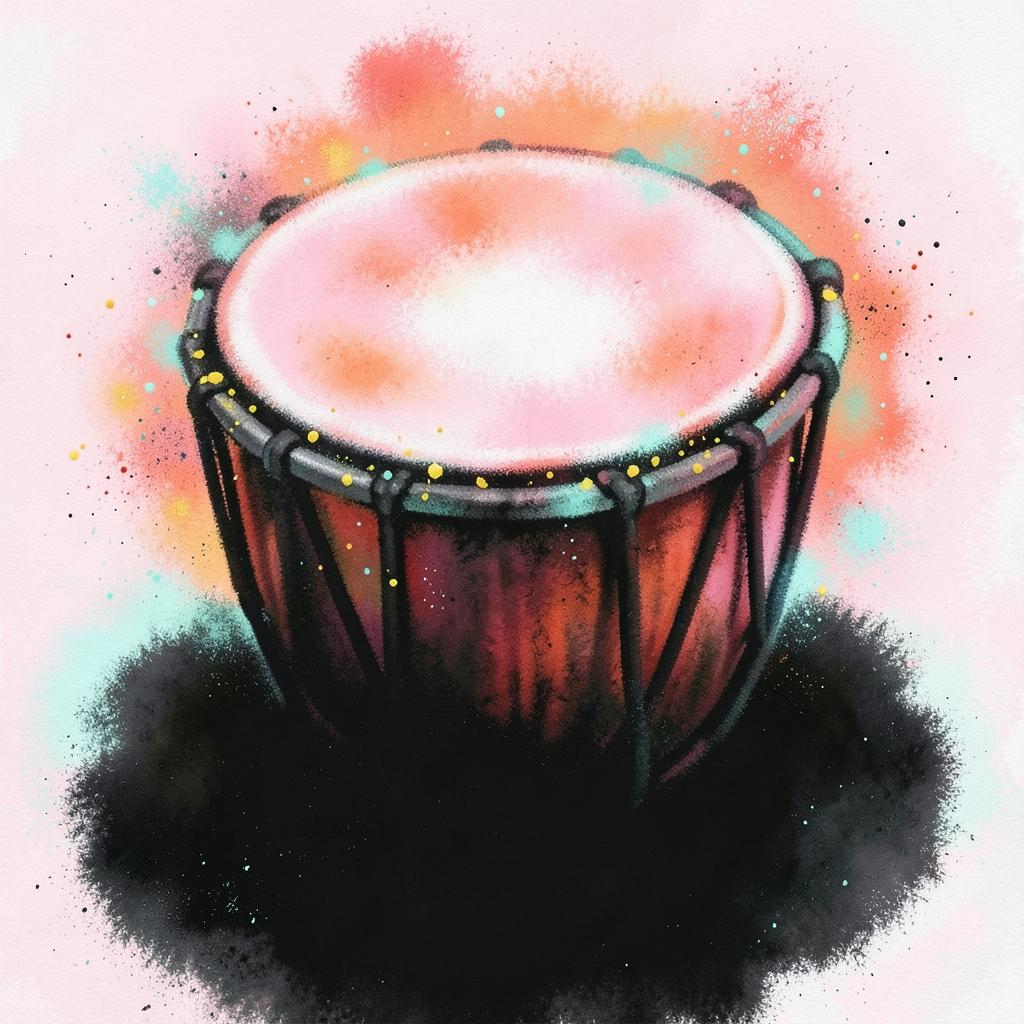
One common mistake in a Punjabi groove is asking every layer to announce the beat at once. Dhol, dholak, handclaps, bass and the sung hook all land from the first bar, so the ear loses the difference between a setup and a payoff. The tumbi's high pluck gets lost in the mix and the dhol's broad accents lose their weight. Let one part lead the opening. Let the drum answer the melody instead of doubling it, hold the handclaps for a later rise and reserve the brightest tumbi figure for the refrain's strongest turn.
Spacing keeps the parts clear. A slower dholak passage can carry a gentle sway, with hand percussion thinning before the dhol enters in a wider pattern. In faster bhangra passages, keep the dhol steady while the tumbi skips across selected accents and leaves some subdivisions untouched. The melody stays clear when percussion does not compete for every syllable. If the chorus still feels crowded, remove one reply before adding another layer. Shorten the tumbi phrase, mute a clap or let the drum wait half a phrase. The groove stays buoyant because each return has a clear role.
One high tumbi note can shape a bhangra return
A high tumbi note works best when the ending gives it a clear role. Choose an ending where it hangs over a broad dhol accent, cuts off before the last beat or answers the refrain with one dry pluck. Each choice changes what the middle section needs. A suspended note needs the arrangement to thin before it. A cut-off pluck needs space around the silence. A drum-led release needs the earlier layers to hold back. Save some bright figures in the middle so the tumbi's return has more effect.
Build toward that ending by establishing the tumbi's register with a small figure, keeping the dhol back and leaving the algoza or sung line enough space to define the center. With Suno, start from the ending, then set the refrain's energy and the opening's restraint within the same musical idea. Change the close from a suspended tumbi note to a broad dhol release. The middle needs less drum weight and the opening needs more melodic space. That version keeps the tumbi high while the dhol opens beneath it and preserves the first phrase's spare space at the end.
Frequently asked questions
- Why pair an algoza with a tumbi in a Punjabi arrangement?
- An algoza carries a breathy, sustained contour, while the tumbi speaks in short, bright plucks. Together they create a useful exchange. The pipes stretch a phrase and leave air around it, then the tumbi marks a sharper reply. Dhol or dholak can fill the lower space, with hand percussion adding movement around the gaps. The pairing is optional in a Punjabi arrangement, so keep the upper parts readable by giving each instrument a different rhythmic job.
- How fast can a bhangra pulse move before the accents crowd each other?
- Tempo alone does not decide the feeling. A bhangra-leaning groove stays buoyant when the dhol accents have room to land and the tumbi avoids marking every small subdivision. Crowding often arrives when handclaps, bass, percussion and melody press with the same force. Thin one layer, lengthen a gap or let a dholak passage carry the middle. The right speed depends on the arrangement, with energy coming from spacing as much as from tempo.
- Near the close, how does a Punjabi song treat its first bright cue?
- Punjabi arrangements often introduce a song through a short melodic mark, a vocal entrance or a light percussion cue before the fullest groove appears. Near the close, that first idea may return with a longer note, a stronger dhol response or more open space around it. Some songs resolve through a repeated refrain, while others let the upper line hang over the final drum gesture. The connection comes from reshaping an early cue, with each arrangement choosing its own closing behavior.