Medieval Music
A bowed vielle can hold a rough drone beneath a single melodic line while the pulse keeps moving. Medieval music draws its color from modal melody, open intervals and the meeting of courtly song, dance and devotion. With Suno, a maker can build the sound around a drone, a vocal shape and a final cadence. A strong medieval direction begins with a modal climb over a bowed drone and ends by deciding how much of that drone survives the cadence.
Showing 19 of 19
 2:23Make This A Medieval Piece With Strings And A Lute Or Flute Countermelody.
 3:04Medieval, Lute, Medieval Ballad



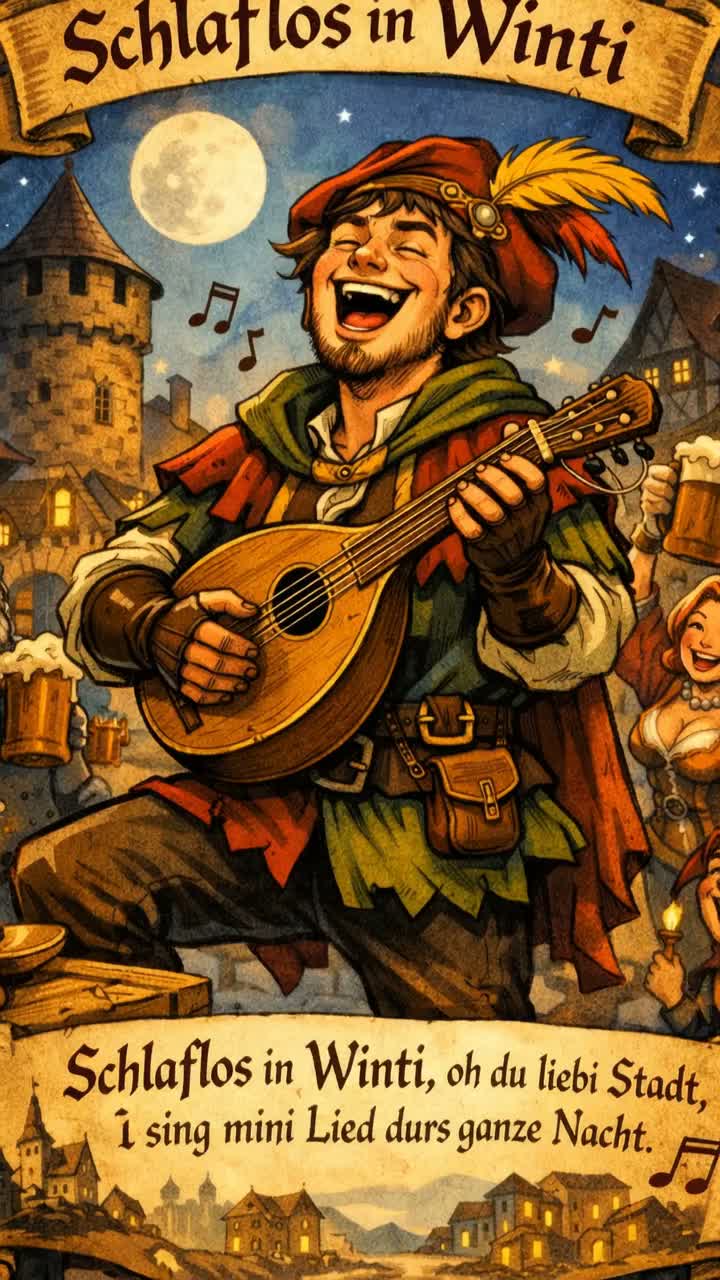




Vielle drone under a medieval melody
Treat the vielle drone as a steady low part throughout the track. A sustained open fifth gives a modal melody a stable base, while a bowed fundamental can stay plain, rasp slightly or break into short pulses as the music gathers energy. That tone suits a measured courtly dance, a ballad from the road or a slow sacred line, though none of those settings requires it. It keeps the melody steady while its upper notes wander.
Start with the drone's main role. Let one low tone arrive before the melody, add a second bowed pitch when the tune needs weight and leave a little space before the close. If drums enter, a frame drum can mark a restrained step without turning the track into a march. Plucked lute notes, the edge of a rebec or a second vielle line shift the color again. For historically informed texture, give each instrument a role and describe how that role changes instead of piling up medieval labels. This keeps medieval evocation distinct from fantasy music, where imagined worlds can send the arrangement toward any blend of orchestra, electronics and folk color.
Monophony and organum in medieval song
Voice changes the arrangement without adding instruments. A solo line keeps every turn exposed, so the listener notices its contour, breath and register. Unison singing thickens the same melody through shared attack and vowel shape. Early polyphony introduces independent motion, often by letting one part hold a tone while another travels around it. The result can feel open and vertical at once, especially when the lower register stays calm beneath a higher line. Treat these as tendencies, since medieval traditions use them in different proportions.
Language also changes the music. The choice of Latin, a vernacular language or an invented text steers the vowels, syllable lengths and sense of ceremony in a different direction, while the melody works around the words. A maker writing lyrics for a sung tale can use a close, low delivery for a solitary verse, then reserve a brighter group register for the refrain. A wordless passage leaves the voice as pure tone, so a long vowel, a breath between phrases or a held unison becomes part of the arrangement. Keep the opening verse alone until the group register returns.
A medieval cadence leaves space around the drone
A low vielle drone and close unison give a maker a choice at the cadence. One note can remain suspended if the music needs a little more space. Decide on the ending before arranging the middle. A settled close releases the arrangement's tension early, perhaps through a brief lift in register or a returning dance figure. A suspended close calls for restraint. Let the drums thin out, keep the upper line from resolving too soon and leave space around the final vocal entrance.
The cadence also shapes the opening. A track that closes on a bare fifth needs an early drone with enough warmth to make its return matter. A track that finishes with a group unison needs a solitary or lightly doubled opening voice. Describe the close, the energy held back in the center and the sound that should announce the first bar. With Suno, name the vielle, modal contour, vocal register and cadence as directions rather than guarantees. Change the close to a short frame drum break, then place that accent near the beginning so the break belongs to the track's structure. The low drone stays plain until the drum returns.
Frequently asked questions
- What does a vielle drone add under a medieval melody?
- A vielle drone supplies a held foundation for melodic turns, especially when the upper line moves through a mode instead of spelling a thick chord. An open fifth keeps the texture spacious; a lower repeated tone can make a dance figure feel grounded. The instrument does not define every medieval practice, and a drone also belongs to many other traditions. Treat it as one color associated with the period, then decide if it should stay steady, roughen with the bow or disappear before the cadence.
- Does a medieval dance gain weight through accent and spacing?
- That shift comes from arrangement more than a fixed tempo. A light repeating accent leaves room for a dance figure, while heavier strikes and fewer notes can make the same pace feel processional. Let the melody keep some lift above the beat, then test what happens when the lower register presses harder. Listeners often feel weight through spacing, accent and register, so a measured track may feel urgent without racing. The arrangement can suggest that direction without fixing an exact speed.
- At the close, what can a medieval cadence leave suspended?
- Openings often begin with a drone, a bare melodic entrance or a small rhythmic signal, then let the texture widen gradually. Closings tend to expose the cadence by thinning the layers, settling on a final tone or leaving an open interval that keeps the ending unresolved. These are recurring gestures with plenty of variation. A track can use one, combine two or avoid the expected arrival, as long as the final turn belongs to the musical direction established at the start.