Japanese Music
In the first few seconds, a bright shakuhachi line can build energy in the opening before crisp koto plucks and a taiko pulse change the feel. The collection also includes darker sounds, from passionate enka drama to koto and shakuhachi set against low-tuned progressive djent. Use those contrasts to choose a direction. Use that direction in Suno to make an original track. Choose the lead instrument, set the rhythmic feel and direct the energy of your own track.
Showing 17 of 17
 4:32Japanese Music. R1000 $ This Is Not A Cymbal. Use A Square Wave With A Comb Filter Solo. Art Sleeping Strings ^ Horn. Voice High Smooth With A Lisp. John 3:16
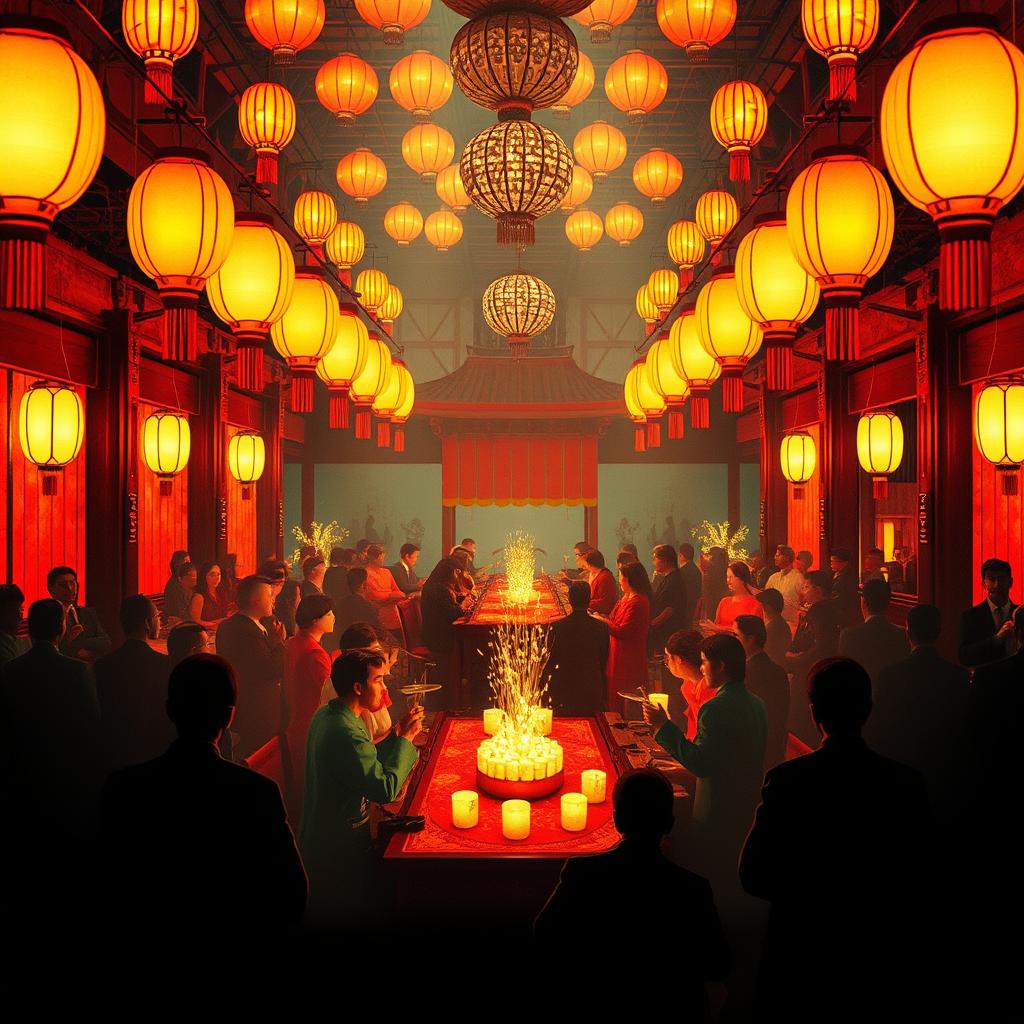
 3:48Compose Music For A Joyous Japanese Imperial Court Banquet Scene. Begin With A Bright, Lively Shakuhachi Melody, Using Playful And Agile "spiral Staircase" Phrasing (quick Ascending/descending Runs) To Create A Festive Mood. Blend With Koto's Crisp Plucking
 4:06Compose Music For A Japanese Imperial Court Ceremony. Begin With A Serene, Spacious Atmosphere Using Koto (plucked Harmonics), Soft Shinobue Flute
 4:00Hardcore Rap At A Moderate Tempo With Big-drop Bass And An Epic, Cyclical Structure. Bright Percussive Shamisen Leads The Hook, Shakuhachi Sustains A Long Melancholic Countermelody
 5:00Dark Beautiful Traditional Japanese Music Fused With Low-tuned Progressive Djent. Koto And Expressive Shakuhachi Are The Main Melodic Voices, Carrying Haunting Japanese Pentatonic Melodies Throughout The Song. Add Subtle Shamisen And Sparse Taiko For Traditional Texture. Heavy 8-string Low-tuned Guitars Provide Deep Head-nodding Syncopated Grooves, Tight Palm-muted Chugs
 2:33Trap, Con Muchos Bajos, Bien Pesado Para Subwoofer Y Bajos Bien Pesados Y Que Los Estribillos Sean Pegadizos Y Que El Estilo Sea Como Musica Japonesa






Hear Japanese music through courtly and modern pairings
Listen to the Japanese music collection as a set of deliberate pairings, from courtly ceremony to enka drama and low-tuned progressive djent. さくらばなのまい runs 3:48, and its tags describe it as music for a joyous Japanese Imperial Court banquet scene. The tags call for a bright, lively shakuhachi melody with playful and agile spiral staircase phrasing, crisp koto plucking, biwa rhythmic accents and upbeat taiko drum patterns. Western strings and woodwinds enter in the middle section before a grand, celebratory finale.
風雲の踊り runs 4:06 and is tagged as music for a Japanese Imperial Court ceremony. It has a serene, spacious atmosphere, koto plucked harmonics, soft shinobue flute and ethereal female vocal hums. Its middle section introduces a solo shakuhachi spiral staircase melody supported by biwa and low strings.
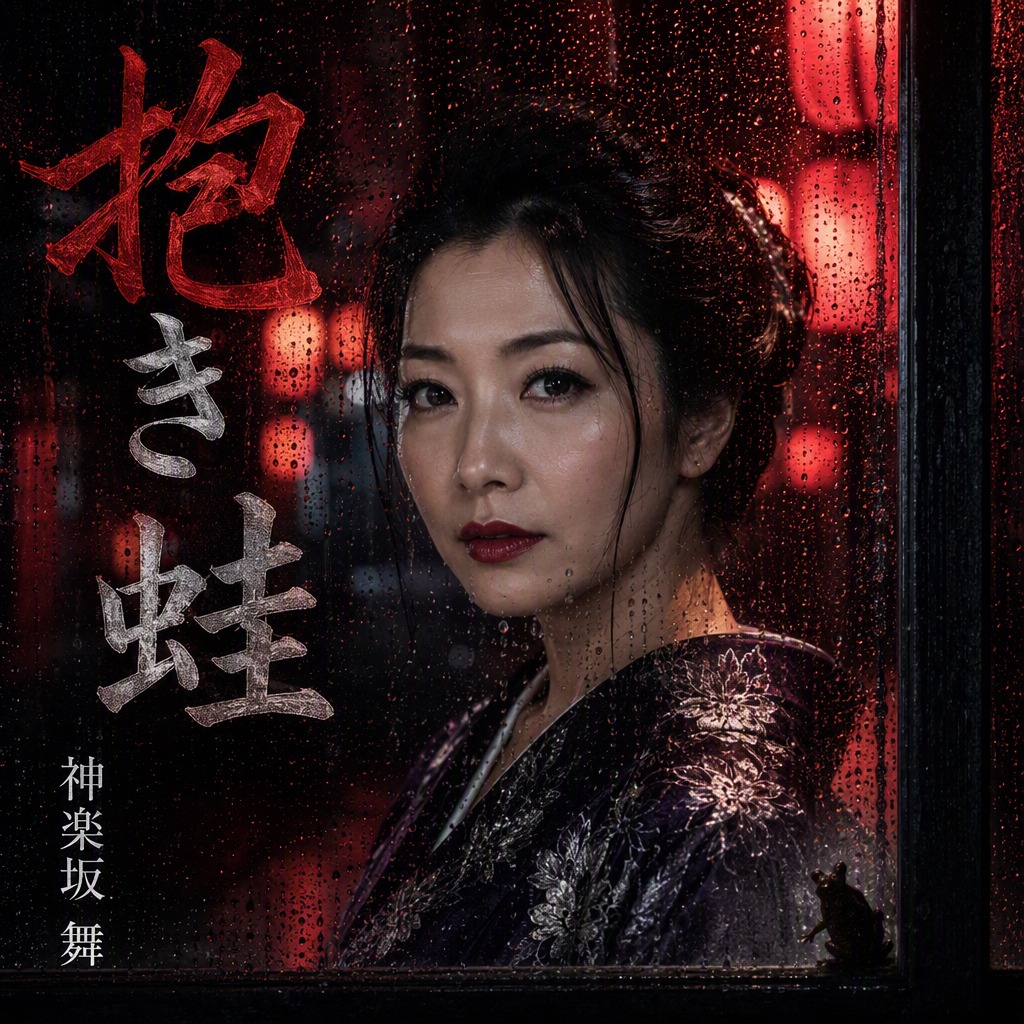
抱き蛙(Clinging Frog) is tagged with Enka, traditional Japanese music, passionate female vocal, dark, gloomy and dramatic. Hanayo ( Hirara story ) is tagged as dark, beautiful traditional Japanese music fused with low-tuned progressive djent at 78 to 84 BPM.
Use each track as a listening example. Note a trait you want to carry into your own music, such as a plucked entrance, a breath-led line or an uneven heavy groove. Give that direction to Suno for a separate original creation.
Choose a Japanese music focus with koto, shakuhachi and taiko
Choosing becomes easier when you compare koto, shakuhachi and taiko as separate musical centers. Koto can provide a crisp plucked lead, harmonic shimmer or patterned motion. Shamisen brings a sharper string attack and a more percussive edge. Shakuhachi or shinobue can bring breath and space to the front of a phrase, while taiko gives the arrangement a firm pulse. These traits can meet pentatonic melodies without making every arrangement sound alike.
For a ceremonial or banquet setting, choose one lead instrument and leave room around its phrases. For a city pop-adjacent direction, pair koto or shakuhachi with glossy city pop grooves, bass-forward motion and clean synth color. Japanese lofi can use softened transients and a calm late-night atmosphere. A heavy fusion direction can specify koto and expressive shakuhachi, low-tuned guitars, syncopated grooves, palm-muted chugs and odd-meter accents at a slow to mid-tempo pace around 78 to 84 BPM.
A clear musical center can lead to a more focused Japanese music direction. State what supports it, when the texture should change and how the ending should land. Then send that direction to Suno as a separate creation.
Give koto, enka and city pop distinct roles
Japanese music also depends on how you handle courtly koto, enka drama and city pop gloss. A courtly arrangement can leave air between koto, flute and voice, then widen toward strings or woodwinds. An enka arrangement can center passionate female vocal, dark shading and dramatic weight. A folk-leaning arrangement can make shamisen or biwa the main rhythmic voice. A city pop-adjacent arrangement can place traditional plucks inside glossy, danceable production. A lofi arrangement can lower the intensity and keep the melodic gestures spare.
The collection brings these approaches together, and the same instruments can serve different roles. Compare the opening texture, the pulse and the point where the arrangement expands before you write. If you want the Japanese aesthetic to stay recognizable, set the lead, supporting texture and rhythmic behavior in plain language. If you want a strange edge, combine a traditional melodic voice with a modern rhythmic approach and set a clear tempo range. Use that direction in Suno, with the chosen instrument and rhythmic behavior stated up front. Give the first eight seconds a clear Japanese music character.
Frequently asked questions
- Which sounds define Japanese music in this collection?
- In this collection, Japanese music centers on koto and shamisen plucks, shakuhachi breath, taiko pulse and related traditional sounds. It also leaves room for glossy city pop grooves, calm Japanese lofi and heavy cross-style rhythm. The focus is the sound and its combinations. The tracks illustrate those combinations. Your written direction describes a separate original creation.
- How should I build around koto in traditional Japanese music?
- Start with one clear center. Make koto the lead, then choose whether shamisen, shakuhachi, shinobue, biwa or taiko supports it. Add the melodic language, tempo feel and setting you want, such as a spacious court ceremony or a lively banquet scene. You can also choose how the arrangement develops, from a spare opening to a fuller ending. Listen to the examples for ideas about combinations, then give your written direction to Suno for a separate original track.
- Can Japanese music combine traditional instruments with city pop or lofi?
- Yes. Japanese music can place traditional instruments beside newer production ideas when each layer has a clear role. Try koto or shakuhachi over glossy city pop grooves for a bright modern sound. Try koto and expressive shakuhachi with low-tuned guitars, syncopated grooves and odd-meter accents for a heavier sound. Japanese lofi can keep the sound quieter and more spacious. Identify the trait you want, then ask Suno to create a separate original track.