Islamic Music
A lead phrase rises over a held harmonium tone. Handclaps answer it, and tabla gives the refrain a light bounce. That South Asian qawwali sound is one way into Islamic music, alongside Arabic vocal textures, North African rhythms and spare devotional arrangements shaped by different languages and places. In a qawwali-shaped arrangement, Suno's AI-made music lets you hear those choices together, from the pulse and vocal exchange to the instruments and arc.
Showing 20 of 20
 2:47Cheerful Uplifting Indonesian Islamic Nasheed, Male Lead Vocal, Energetic And Joyful
 5:01Ultra-soft Pop Religi Islam With Hushed Fingerpicked Nylon Guitar, Felted Piano, And Barely-there Gentle Beats At A Slow 72 BPM. Airy Pad Drones
 7:08Catchy Malaysian Nasyid-qasidah About Longing For Madinah And Love For Rasulullah ﷺ. Warm, Spiritual, Uplifting And Emotional
 4:48Deep Sufi Qawwali On Renewing Iman, Heavy Emotion And Dua, Tempo 92–98 BPM With Gradual Build To A Powerful Climax. Traditional Qawwali Instruments: Harmonium Lead













Qawwali builds the refrain through repetition
South Asian qawwali gives Islamic music a strongly communal sound. A lead vocal sets out a phrase, a group answers it and handclaps make the beat felt. Harmonium often supplies a sustained bed or doubles a melodic contour. Tabla or dholak adds bounce and weight. Repetition matters because each return can gather more voices, denser percussion or a wider dynamic range. The lead, response and percussion gain weight together as each phrase returns.
The arrangement determines how that exchange feels. A close lead vocal and small response leave space around each phrase. A larger chorus, firmer claps and a drum pattern that presses forward make the same exchange feel more public and urgent. Tempo can stay measured as density rises, or it can begin at a quicker pace. The key choices are vocal distance, response size, handclap texture and the point where percussion thickens. These choices keep the arrangement focused on qawwali and give its vocal exchange, handclaps and percussion a specific shape.
The setting changes how Islamic music is heard
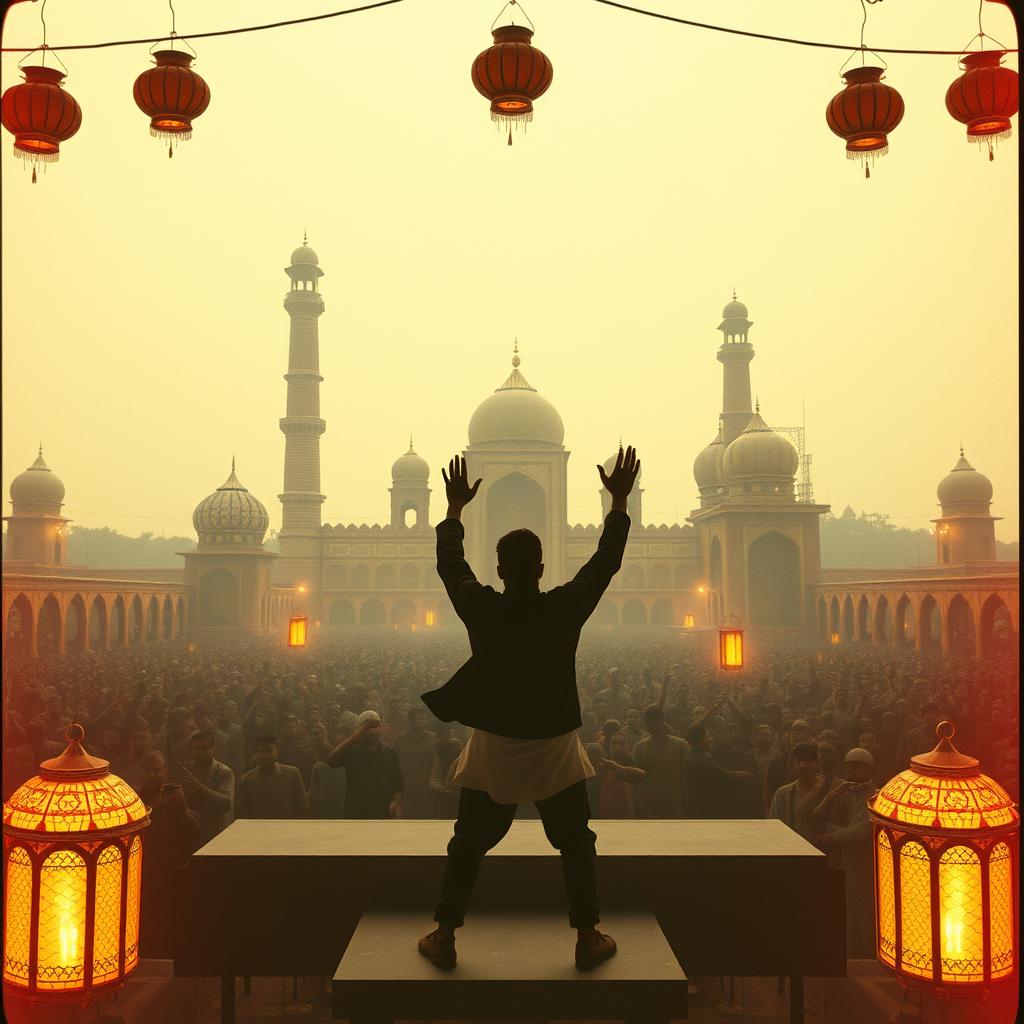
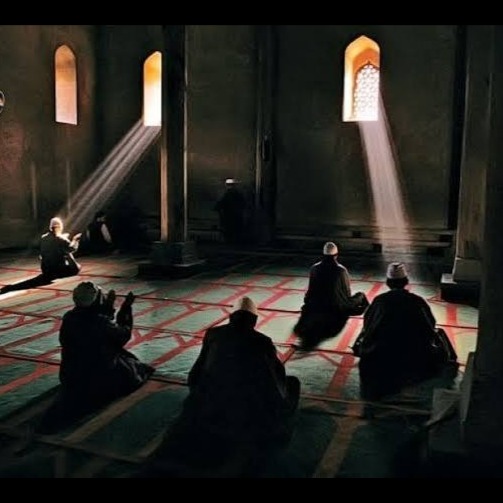
At a gathering, listeners hear the group response before the tune. Handclaps sit close to the beat. A low drum anchors the sound, and a lead voice cuts through the surrounding talk. On a screen, the order may reverse. A single sustained tone leaves space beneath an image, then a returning phrase gives the picture movement. At home, headphones expose smaller choices, including the breath before an answer, the rough edge of a clap and the slight delay from lead to chorus. The listening emphasis shifts with the setting. The same musical idea can carry different weight as distance, volume and silence change.
Street sound favors a clear pulse that carries over footsteps, traffic and talk. A screen cue often benefits from a narrow opening, a held note or a response that arrives after the picture changes. In a quiet room, the listener follows ornament, vowel shape and the way a refrain circles back. An English-speaking listener can keep those moments distinct. Listen for the opening, the distance between voices and the point where the arrangement gathers or thins. Those details can guide an arrangement and leave room for the distinct languages, scales and rhythmic habits that shape a melody, pulse or vocal exchange.
A delayed clap can shape the opening
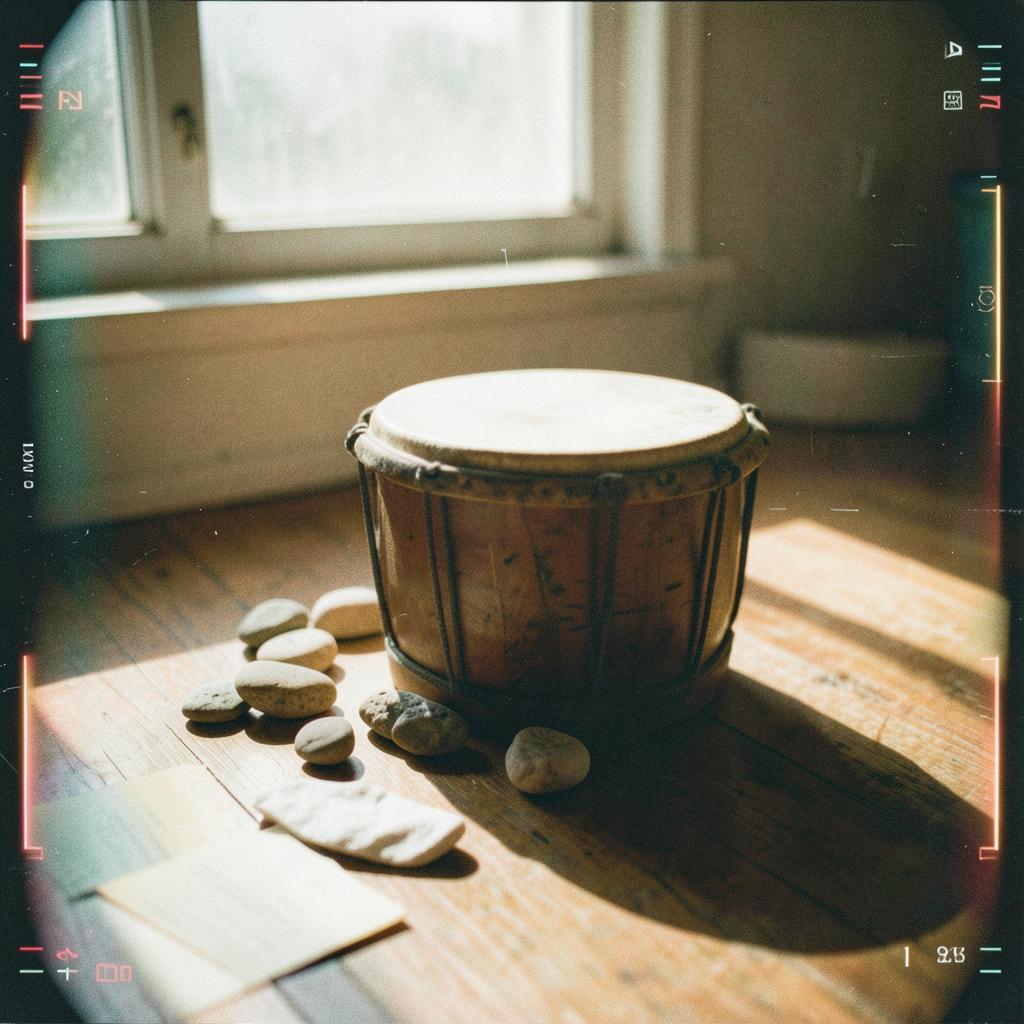
The opening takes shape through the breath before the answer and a handclap just behind the pulse. With Suno, set a close lead phrase over a spare harmonium tone and hold the group back until the second response. Keep the early percussion light. At the center, bring in a wider chorus and firmer claps, repeat the refrain with a little more lift and let the harmonium move from a held bed toward a brighter reply. For a gathering, keep voices near and rhythmic, with space around them. For a screen cue, use a narrow opening that leaves room for the image before the vocal exchange expands.
Each musical moment should have a clear job. Set the opening density, the size of the replying group, the point where handclaps grow firmer and the amount of space after the final phrase. A restrained vocal entrance suits a quiet room. A broader response can carry through a gathering. If the image changes at the refrain, let the wider texture arrive with that change while leaving the exact second open. Keep the close uncluttered. Leave one held tone, a fading drum pattern and a final answer with space around it.
Frequently asked questions
- Which musical traditions does the label Islamic music bring together?
- The label spans practices shaped by different languages, regions, ensembles and settings. It can point toward South Asian qawwali, Arabic melodic traditions, North African rhythmic approaches and many local forms with different arrangements. The details of each arrangement matter. Listen for how a lead relates to a group, how repetition gathers force, how ornament sits against the pulse and how much space the recording leaves around a voice. A qawwali exchange and an Arabic melodic line may sit far apart in texture under that broad label, with different relationships among voice, ornament and pulse.
- Why can a qawwali-inspired arrangement feel flat even with the right instruments?
- Instrument names sketch the palette, yet the arrangement still needs timing among the lead, response, handclaps and percussion. If every layer enters at once, repetition has little room to gather force. A stronger attempt leaves space in the opening, lets the answering group land with a distinct shape and increases density in measured steps. Small timing choices matter too, such as a clap arriving just after a phrase or a drum pattern easing back before the final response. That order and weight give the arrangement its shape.
- What makes South Asian qawwali's call and response so propulsive?
- Qawwali often builds momentum through repeated exchange. A lead phrase leaves room for a group answer, handclaps mark the pulse and harmonium provides a melodic center as tabla or dholak adds bounce. The pattern can begin with restraint and grow through fuller responses, firmer percussion or more insistent repetition. Pace and density vary, so the effect depends on how the ensemble spaces each return. The instruments support the exchange, and the voices gain momentum as they meet the rhythm.