Hopecore Music
A single low note holds the room before a group voice widens the sound. That change of scale gives hopecore its shape. A private ache gathers strength to face the next minute. The AI-created hopecore tracks people make with Suno show how those arrangement choices sound. To shape the arc, choose a close voice, a waiting pulse and a final release. In hopecore, hope comes through arrangement choices.
Showing 20 of 20
 5:09Japanese City Pop / Retro Pop / Synth Funk (Upbeat Tempo, Glossy Synths, Walking Bass
 4:29Metalcore Hopecore, Dual Vocals (clean Melodic Voice Like Kyle Pavone + Growls Like Dave Stephens), Modern Synth Layers
 2:42Emotionally Uplifting Electric Guitar Plucks In A Pop Punk Style, Emotional, Hopecore
 1:14The Track Opens With Minimal Piano And Gentle Synth Pads, Woven With Glitchy Static And Delicate Breathing, Panned For An 8D
 5:20Contemporary Jazz X Contemporary Classical, Cinematic Hopecore, Intimate Expressive Female Vocals
 4:13Modern Country Pop Style With A Southern Rock Edge Vocals And Tone, Blending Heartfelt Storytelling With Radio-friendly Polish. Set Tempo At 85-95 BPM For A Driving, Mid-tempo Feel
 3:00Post-rock With Atmospheric Hope-core Dreamgaze Momentum, Slow-blooming Arpeggiated Electric Guitars, Tremolo Swells
 3:55Bright Guitars Kick In Over Punchy Drums And Driving Bass, Setting An Energetic 110 Bpm Pace. The Verses Feature Rhythmic Palm-muted Power Chords, Lively Hi-hats
 2:44Hope-core With Chillwave Haze, Lo-fi Tape Saturation, And Glossy City Pop Chord Changes Over A Drill Backbone. 140 BPM





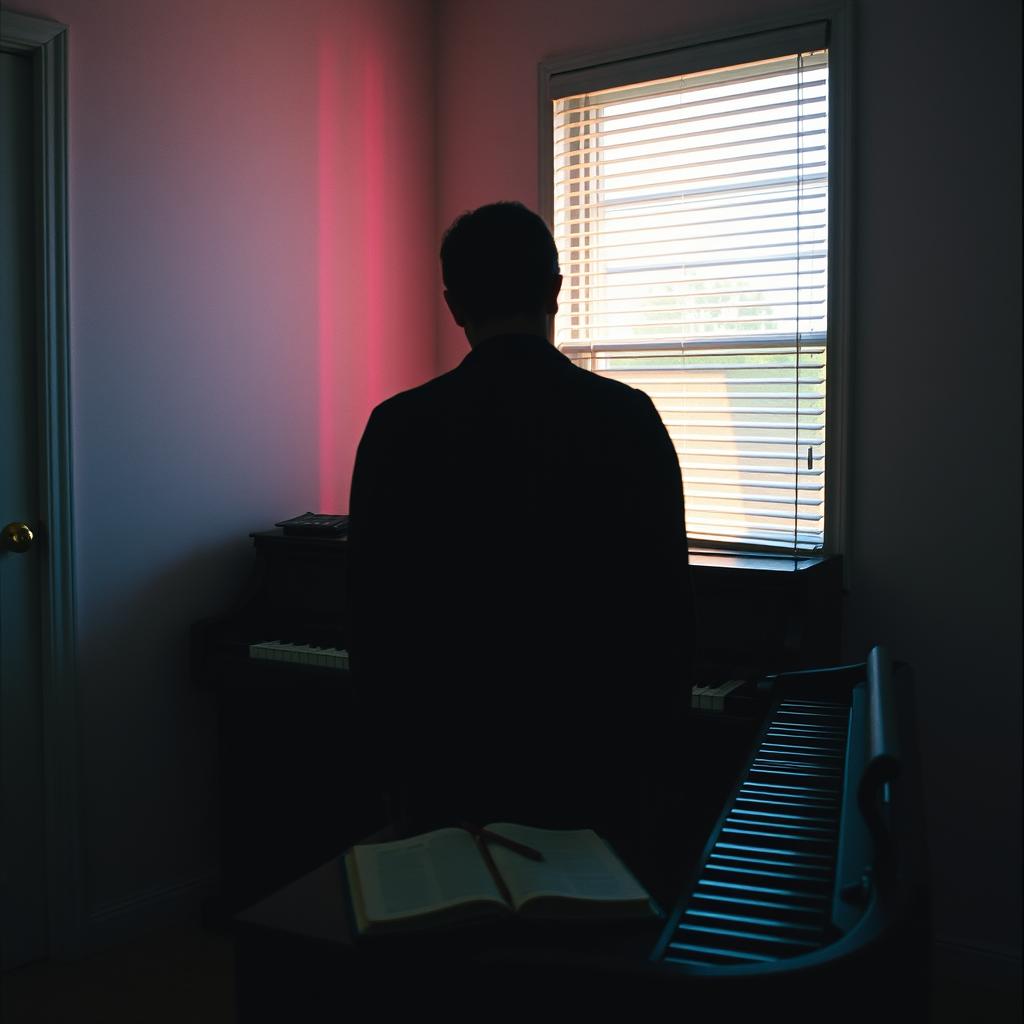














Hopecore lets a lyric change distance
Hopecore often treats singing as a change in distance. A close solo line keeps the first thought personal, while a group entrance can turn that thought outward. The lift can still stay intimate with two or three registers, a unison refrain or a lightly doubled line. A low lead gives the words weight, a higher answer adds reach and a middle register can sound communal without becoming grand.
The lyric's wording changes the shape of the hook. Short phrases with open vowels leave room for held notes, while denser lines create a more conversational push. Let the voice carry a clear image. Keep one part near the listener. Let another answer it and bring in the group later. An instrumental version can carry that exchange through a lead piano, guitar or synth figure, using texture in place of a sung point of view. Let the chorus reveal its wider world only after the opening has earned the change.
Tempo becomes pressure in the body
In hopecore, tempo is felt in the body before it is counted. A patient beat lets the listener feel a heel settle, a shoulder loosen or a breath lengthen. A quicker passage arrives through shorter gaps between phrases, firmer drums or a bass figure that keeps leaning forward. Speed is only one part of the pressure and release.
Pair a steady foundation with one unsettled detail. A kick pattern can stay steady beneath late handclaps, a bass part climbing toward the refrain or percussion that briefly drops out. When the chorus opens, longer vocal holds and brighter harmony can make the body feel lighter. When the arrangement needs tenderness, lighten the low end and leave space around the phrase. An action can define the pulse more clearly than a number. The pulse can come through a slow gathering, a chest-tightening repetition or a surge that makes the next line feel nearer. The body's response shows where the arrangement can still build.
The final lift changes how the opening lands
The final lift depends on how much space the arrangement has saved for it. If the close should widen from a solitary register into joined parts, leave space around the final phrase and let the harmony arrive without crowding it. That means the middle must hold something back. Keep the drums and lower voices from using all their force in the second chorus. A restrained bass entrance or a beat that opens up later lets the finish build.
At the beginning, establish the body's pace without announcing the destination. The opening can use a measured walk, a low vocal close to the listener and a small chord pattern that can bear another voice. On Suno, keep exact timing and pitch open while you shape the arrangement around those details. Vary the ending by letting joined parts fall away until one line remains. The middle needs a cleaner release and the opening should establish a melody that still feels complete when the room empties.
Frequently asked questions
- What does a bare piano texture do for hopecore?
- With only piano, the harmony has room to show its turns and the sung phrasing stays close to the surface. Guitar, a soft pad or lightly brushed percussion changes the texture without deciding the mood. Hopecore can work with different instruments. Pick the sound that leaves enough space for the emotional climb, then reserve a new texture for the point where the lyric or melody opens outward.
- Can a hopecore pulse stay grounded while urgency builds?
- Yes. Urgency can come from accumulation without requiring a faster tempo. Keep the underlying beat even and let pressure rise through denser percussion, a bass figure that leans into the next bar or shorter spaces between vocal phrases. The body may feel a forward pull while the feet stay grounded. A late lift in harmony can intensify the turn, especially when the opening has left clear space around the first line.
- How might a hopecore arrangement leave its first full lift until the ending?
- Often, the opening stays spare enough for a close melody or a small chord to register clearly. The middle adds weight in stages, so the final section has room to broaden through harmony, added percussion or joined parts. That arc is common, with exceptions. Some hopecore tracks begin with the lift and spend the rest of the arrangement changing its color. The ending's remaining contrast shows how much the arrangement held back.