Circus Music
A calliope can carry a bright figure over brass, while the drums leave a sudden gap and a voice arrives with a ringmaster's cue. That combination gives circus music one of its familiar tensions between spectacle and surprise. Suno's AI-made circus tracks show that palette in action, and you can shape a track by choosing how large the voice feels, how the brass responds and how much weight sits beneath the vocal line. Choose who makes the first entrance and how long the gap lasts.
Showing 19 of 19
 1:11Slow Circus Music Slowly Getting Faster And Faster Through The Whole Song English Voice Panicked Coughing Pauses Bass Drum Cymbals Fiddle
 3:35Kicking Off With A Burst Of 1970s-inspired Circus Organ, Wild Brass, And Uptempo Bass





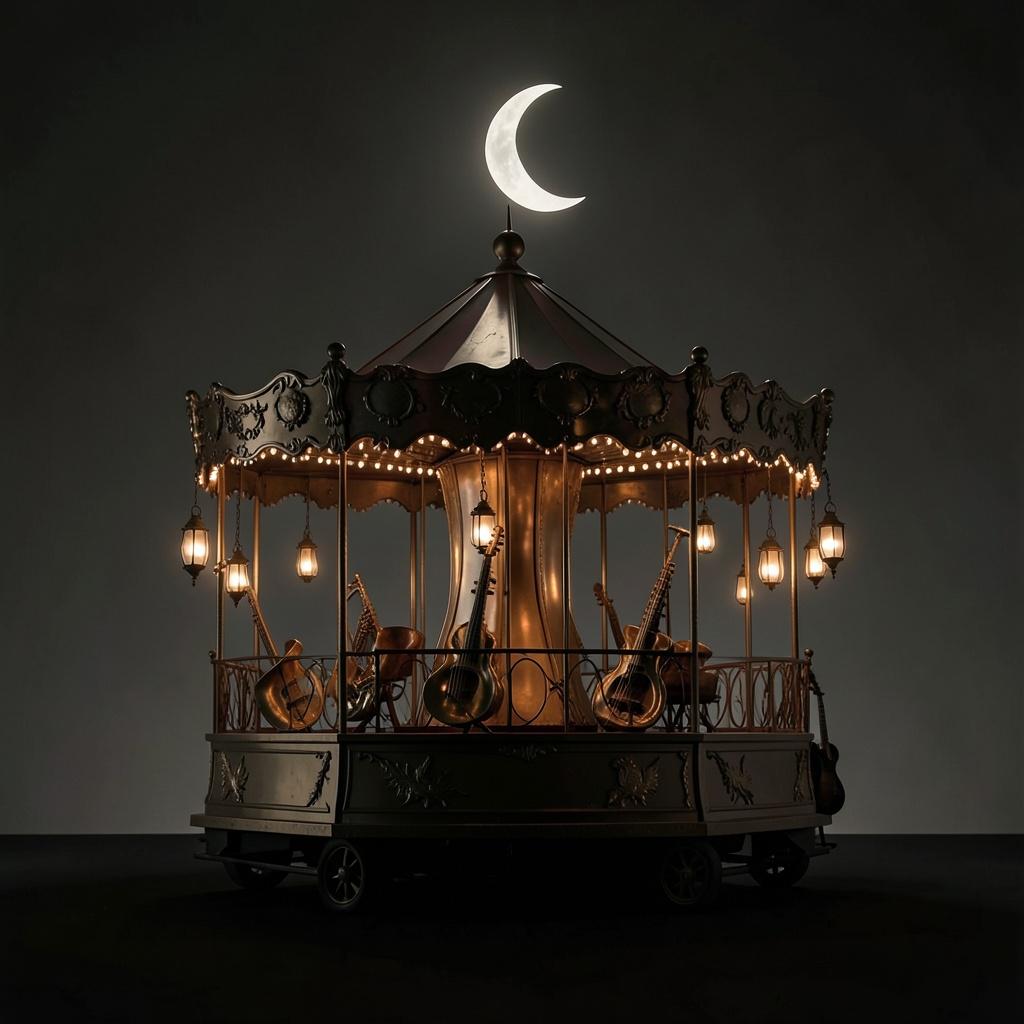









Register changes the scale of the circus sound
A high solo draws the ear toward one performer, especially when the backing leaves space around the line. Lower the register and the passage comes down, leaving the brass room to loom above it. Give the same phrase to a small group and its social distance changes. Several voices turn a private cue into a public announcement, while a tight reply suggests a troupe gathered nearby. That contrast stays a choice rather than a rule of circus music. Even a wordless line carries character through register, attack and the length of its vowels.
Lyrics shape the voice in ways instruments cannot. Clipped syllables make a cue snap like a comic command, while longer vowels stretch the phrase over a held chord. The language of the lyrics changes the balance of consonants and open sounds, so the same melody needs different articulation. Without a singer, calliope, brass and drums carry the drama through a bright register, sudden pauses and exaggerated accents. Keep a voice in the arrangement, then decide whether it leads the act or appears as a quick signal inside it.
Circus rhythm uses weight and space
A circus rhythm can feel physical before you register its speed. A broad low beat settles into the heels. A skipping accent lifts the knees, while a late snare makes the shoulders arrive after the feet. Leave a small pocket after a stomp and the next hit gathers height. Fill that pocket with busy percussion and the same gesture turns urgent. These effects help a maker choose the direction without treating a tempo label as the whole character.
Think in changes of weight. A kick beneath a long brass note gives the beat a firm base. Dry taps under a bright figure keep the steps light. A rolling drum passage pulls the body toward an entrance, then a sudden gap makes the shoulders lean into the return. A swaying triple feel tips the torso sideways, while a straight marching tread points the feet ahead. Circus music gains its lift from pressure and release. Choose the drums, accents and empty space to shape that movement. Keep the brass broad when the feet need grounding, or let short percussion flicker beneath it when the whole piece should feel ready to move.
Calliope and brass take turns leading
After a skipping accent lifts the knees, the calliope can deliver its first bright phrase. Build the track around two sharply different lead parts. The calliope enters with a nimble figure, then the brass answers with a broad fanfare that fills more space. Under the calliope, use dry, separated drum taps with a little space after each gesture. Under the brass, use a broader kick and a fuller snare so the beat feels heavier without losing its bounce. Keep the parts distinct enough that the ear can tell which one has stepped forward.
On Suno, set up the exchange as an arrangement by giving the calliope an entrance, the brass a reply and each part a different drum weight. At the close, try changing one thing. If the brass usually seals the phrase with its widest sound, let the calliope return alone for a short high figure and a single dry hit. That choice tends to make the ending feel smaller after the broad fanfare. A voice can deliver a compact ringmaster cue to the brass, then leave the instruments to finish the gesture.
Frequently asked questions
- Why does a calliope sound so sharp beside brass?
- A calliope concentrates a whistle-bright upper register, so its line stands out against the broader range of brass. The tone also carries a mechanical edge that makes quick turns feel pointed and comic. Give it space and each figure arrives cleanly. Place it inside a full fanfare and its sound blends into the larger brass color. The contrast depends on register, articulation and arrangement as much as the instrument itself.
- When does a circus accent lift the knees?
- That sensation arrives when accents make the body rise instead of settle. A light kick, dry snare taps and small gaps let the knees rise. A drum roll creates forward pull, while a sudden pause makes the shoulders hover until the return. Long low notes and crowded percussion add weight, even at a lively pace. The feeling follows the arrangement's pressure and release, so the same basic beat can read as buoyant or heavy.
- How does a circus arrangement signal its first entrance and final bow?
- Often, the first gesture is a bright calliope figure, a brass fanfare or a drum roll that announces a change in scale. The close may echo that gesture with a lighter sound, hold a broad brass note or cut away after a clipped figure. These are habits, not rules. An arrangement feels more theatrical when its opening and ending share a gesture, even if the return changes register, drum weight or which instrument leads.