Christian Music
When a refrain arrives before the verse has made its point, a Christian music arrangement loses the space between a lead and its answering group. A close lead vocal keeps the opening intimate until the ensemble widens the sound. Tracks made with Suno show how that distance changes. Build your own arrangement around a hymn line, an organ pedal or an offbeat clap, and give each element a clear role in the arrangement. Keep the response late enough to leave a clean pocket around speech. A final group entrance should widen the arrangement without burying the lead.
Showing 19 of 19
 6:49Catholic Contemporary Worship / Brazilian Catholic Pop / Charismatic Worship. 74–78 BPM, 4/4, Tonalidade G
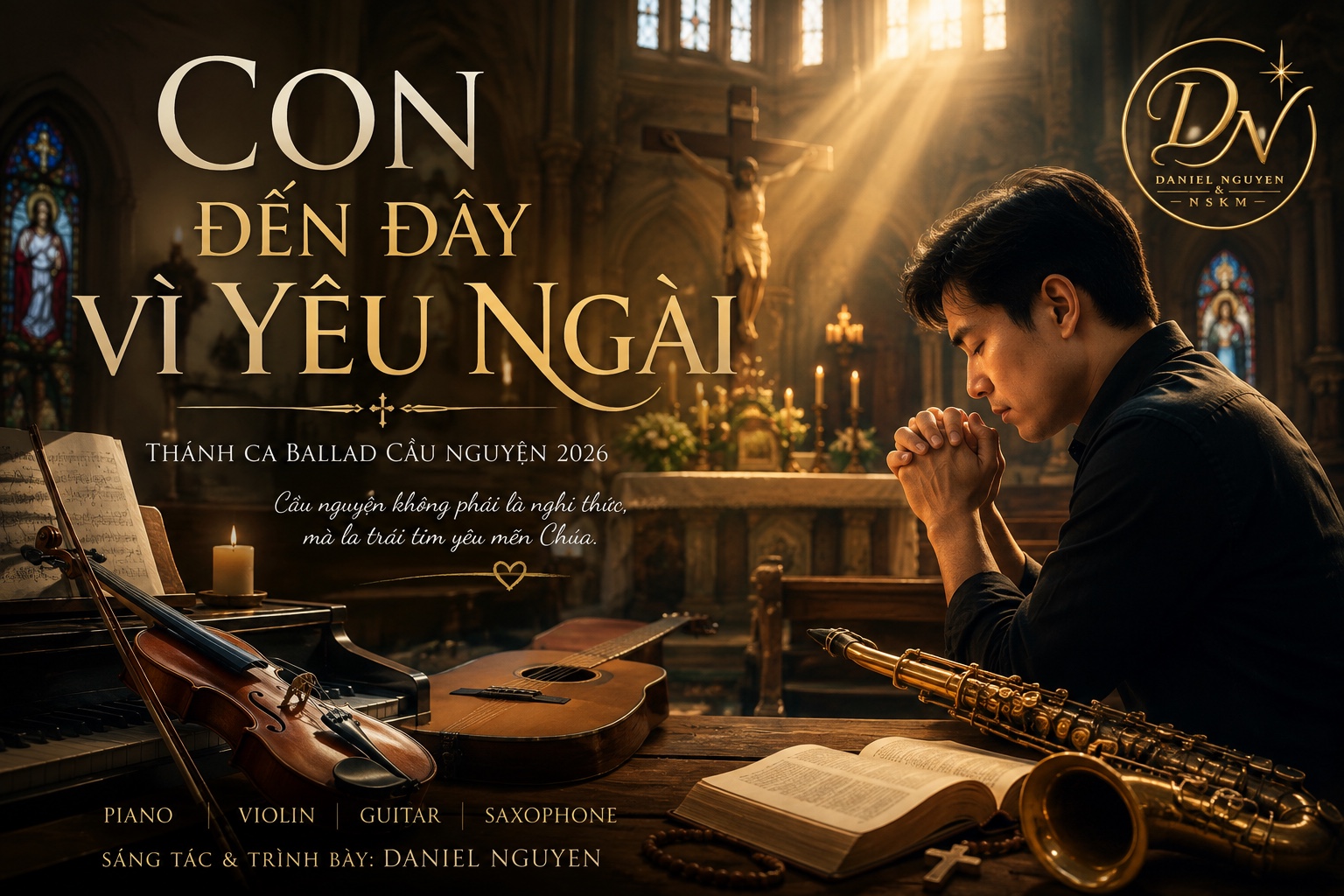
 5:34Vietnamese Catholic Emotional Ballad At 72 BPM, Warm And Intimate. Clear Vietnamese Male Vocal Over Soft Piano, Fingerstyle Acoustic Guitar
 3:11Warm Acoustic-driven Worship With Male Vocals; Gentle Piano And Nylon-string Guitar In The Verses, Swelling Pads And Toms Lifting The Chorus. Intimate, Honest Tone That Grows Into A Sing-along Hook With Light Harmonies And A Simple Bass Movement Supporting The Vocal.











The organ stays low as the arrangement opens up
Give the organ one job across the arrangement. Let the organ support the verse, add weight at the refrain and let a low tone linger after the final return. A sustained pedal tone can remain in place while the harmony changes above it without dictating every bar. Keep the upper organ register spare in the opening so the lead feels close. Let a fuller chord enter at the first group response, then thin the sound again before the last line. At the close, let the low tone return after the group line so the final word stays clear.
A hymn melody often keeps a plain contour over balanced chord changes. Gospel practice often uses repeated lines and offbeat replies to add motion, while contemporary Christian pop lets the organ recede behind pads or a short keyboard part. Choose one emphasis at a time so the arrangement has a clear focus. Hold the pedal almost still as the vocal rises, or let a short organ figure answer each phrase. Leave a gap before the refrain so the return carries more weight.
Speech changes how close a group reply can sit
Speech puts the voice first. Use shorter phrases, softer attacks and pauses at sentence endings so a narrator stays intelligible. A low organ bed can connect two pieces of footage while the music leaves silence around the cut. Keep the accompaniment sparse, with a held tone, one answering figure or a refrain after the line has landed. Leave deliberate gaps so the spoken line stays in front.
A crowd needs a reply that carries across the room. Give the lead a shape people can follow and leave the response enough space to sound like an answer. Try handclaps, tambourine or a steady drum pattern when the pulse needs to travel, and let placement matter more than the number of parts. Keep the lower register modest when speech shares the room. With moving footage, let a phrase end cleanly before the next image. For a group of voices, widen the harmony at the chosen return and keep the entrance easy to find. In a church-song setting, a plain melody often carries farther than a crowded arrangement.
Offbeat claps leave the lead in front
When speech shares the track, an offbeat clap can expose an organ part that is too busy. With Suno, set a midtempo pulse with the clap on the offbeat, a close lead with a small group answer and a verse that keeps the full organ out until the second refrain. Include the desired energy and distance between voices. Swap the handclap for brushed percussion and check that the lead stays clear beneath the organ. The later group entrance should sound larger without becoming crowded. Keep the response to selected lines, leave a breath before it and let the pedal return beneath the final phrase.
For a spoken line, shorten the organ figure and soften its attack. For a group of voices, make the answer easy to repeat and let the backbeat stay steady. If a sung verse uses words you write yourself, the arrangement still depends on how much room the group gives the lead. End with the organ holding one low tone after the last response, or cut it cleanly so the final word remains clear.
Frequently asked questions
- How did hymn writing and gospel practice leave different marks on Christian music?
- Hymn melodies usually rely on a singable line, balanced phrases and chord movement that keeps a group together. Gospel practice often brings repeated lines, syncopated accents, close harmony and lead-and-response singing. Those strands meet in many arrangements alongside contemporary pop, folk and regional church-music approaches. Together, they produce different balances of melody, rhythm and vocal density. An organ, piano, guitar or drum pattern changes the weight of the same melodic idea.
- When do organ, lead and response stop sounding like one arrangement?
- Listen for clear hierarchy. If the organ fills every gap, the lead loses its edge; if the group answers every line, the exchange loses its shape. A convincing track gives each element a well-timed entrance, a clear register and a reason to return. Leave the verse lighter, reserve the widest harmony for one chosen refrain and let the final response settle without extra decoration. Clean tuning helps. Proportion and phrasing decide whether the arrangement feels intentional.
- Why does Southern gospel keep a firm backbeat from turning stiff?
- Southern gospel often gets its drive when a steady backbeat meets bright keyboard movement, close harmony and a lead answered by the group. Its lift comes from timing. The lead leaves room. The response lands with emphasis and the rhythm section carries the return forward. Keep the keyboard figure active without crowding the vocal, and vary the length of the reply across the section. A slightly looser entrance or a held chord before the next line gives the groove room to breathe.