Nostalgic Music
A wavering pitch, a softened snare and a melody held in a narrow register can put memory into sound before a lyric arrives. Music made with Suno lets a maker listen for those details and center one of them. A late drive, a kitchen glow or an old screen's blue light can take musical shape. Nostalgic music depends on texture, return and the distance from the first note to the close.
Showing 19 of 19
 2:22"Create A Nostalgic Lo-fi Pop Song, Female Voice Slightly Muffled, Like From The Past. Instruments: Vinyl Crackle



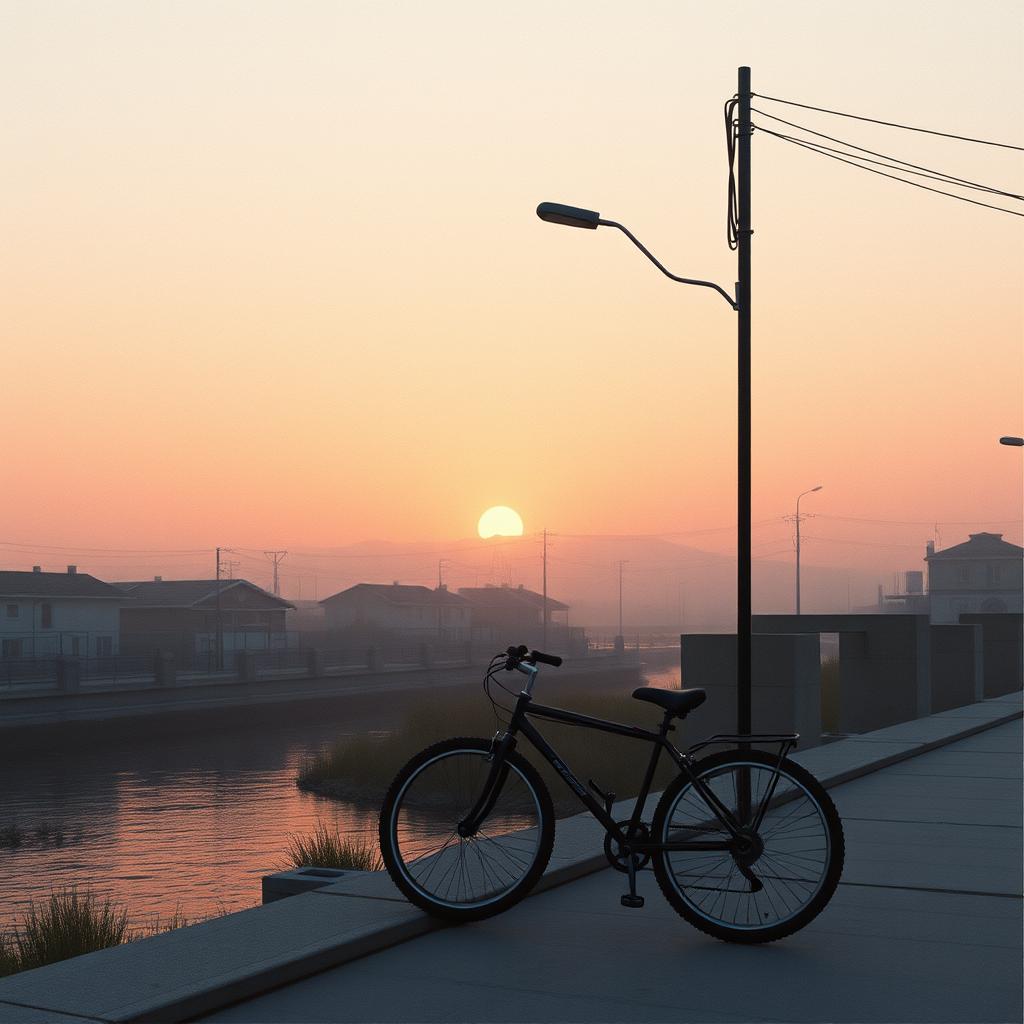


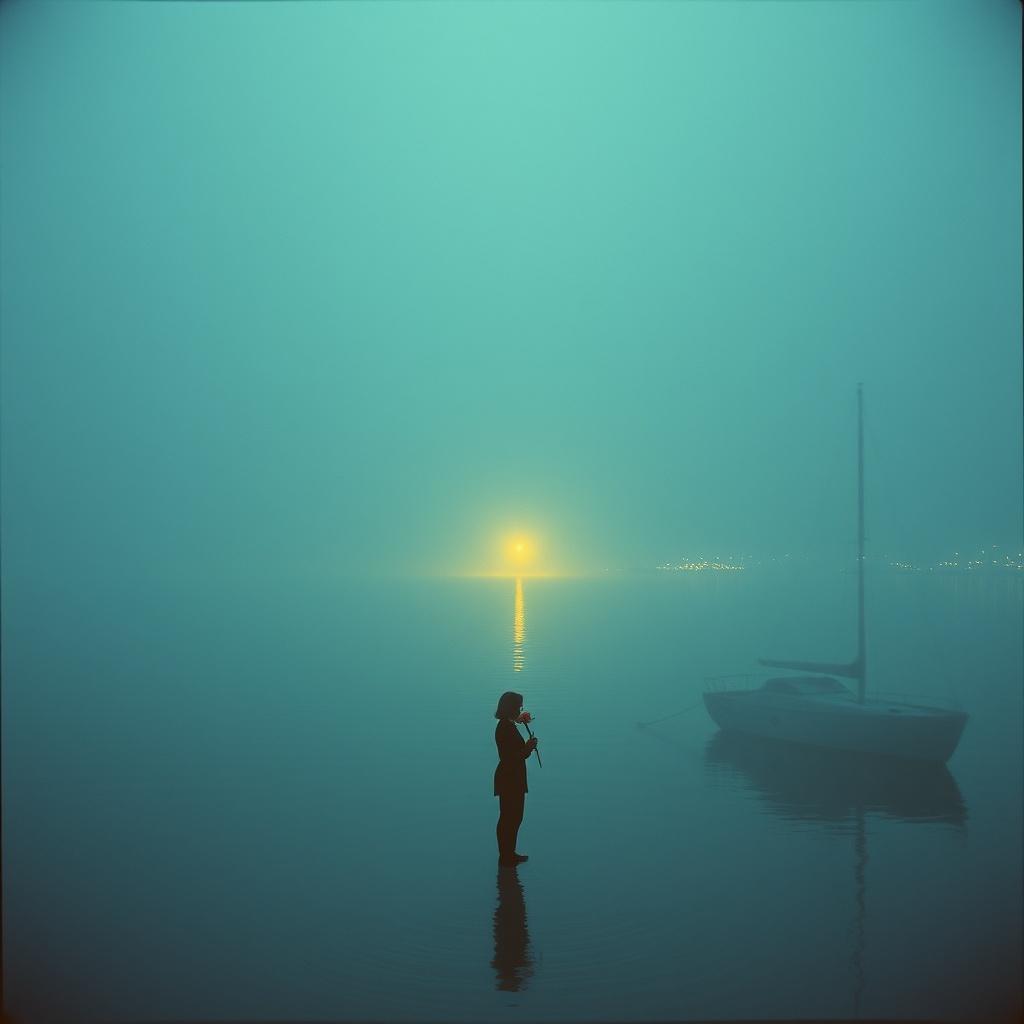



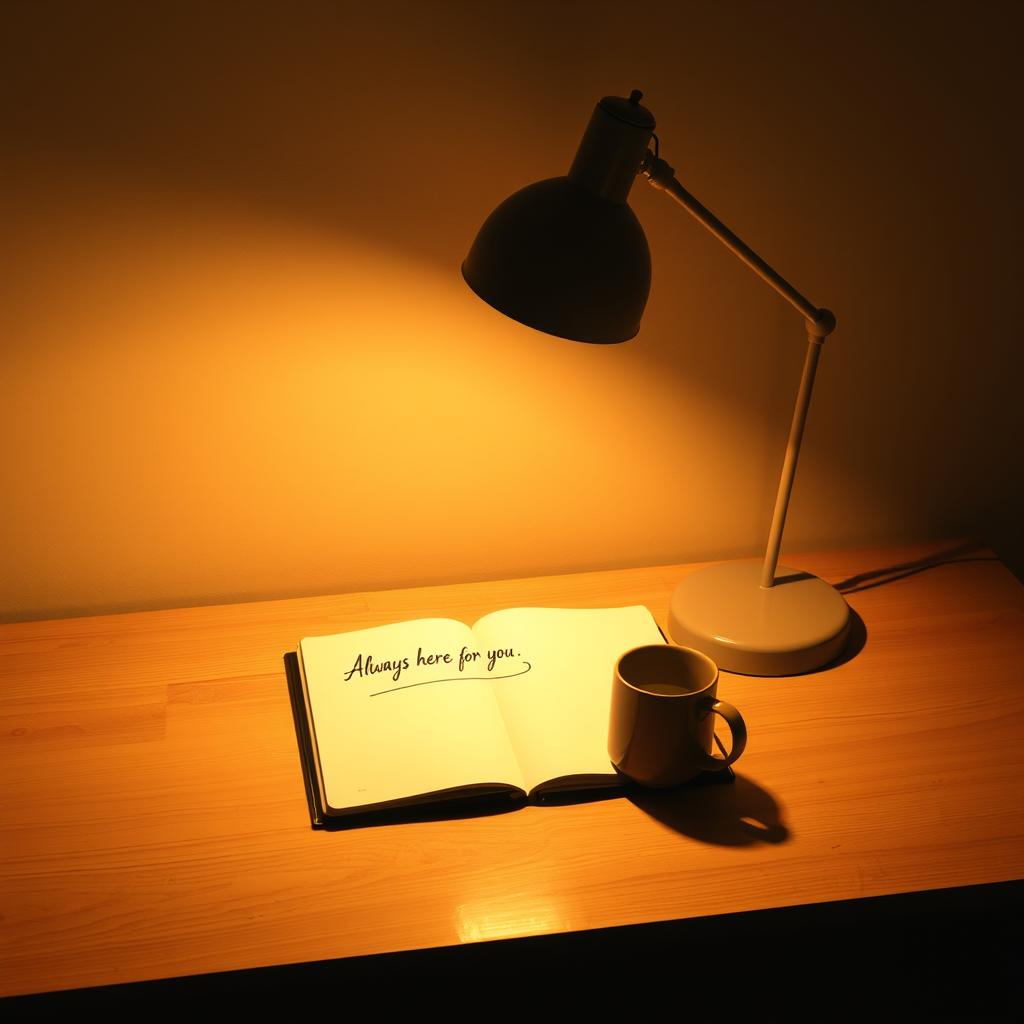
Nostalgic music enters through the room's first sound
At a kitchen table, memory can live in the sound of plates, glasses and low voices. A dry kick or small handclap sets the opening, then a chorus broadens the sound with thicker harmony or a brighter register. Keep the opening close, with a bass part that feels rounded and unforced. The first return should bring back one recognizable figure, perhaps a short keyboard phrase or a guitar answer slightly behind the beat. That repetition can make an ordinary evening feel like a memory.
On a familiar street, motion reaches the ear first. A steady pulse under passing headlights often feels reflective when the melody leaves space around its notes. At home, a narrow electronic tone or softened drum machine can bring a screen glow close, especially if the upper register stays restrained until the refrain. A gathering needs more air and shared lift, so handclaps, wider backing voices or fuller low end carry the same feeling outward. Let the first sound establish the setting. It might be a worn texture, a pulse, a melodic clue or an open space for the return. A specific cue gives the arrangement a place to begin.
Wavering keys give each section its distance
A wavering keyboard tone earns its place by changing how close it feels across the bars. Keep one held chord close at the opening, with a rounded attack and only slight pitch movement. When rhythm arrives, move the tone behind the kick and leave the bass clean. The melody can borrow its upper notes for a brief lift, then fall back into the narrower range that made the opening feel private. A short pause before the refrain lets the texture stand on its own.
In the middle, thin the keyboard to a single note or an answer of two notes. Keep the drums dry and let the wavering tone return at another octave when the arrangement needs to brighten. If the bridge removes it, the empty space marks the change. Its return can arrive under a new chord, with less sway or a warmer attack, so the ear notices that the track has moved without losing its thread. The instrument's distance, pitch movement and role can change from section to section. That variation helps a maker judge how much instability the melody can carry before its center blurs.
Closing chords keep the glow in place
As the arrangement thins, the wavering keyboard recedes into a held chord with space around it. A small high note remains as the drum pattern disappears, and the opening figure returns once before the sound fades. To keep that space open, the middle must withhold its widest harmony and keep the bass from filling every gap. The opening then needs a plain pulse, a close keyboard attack and a melody narrow enough to expand later. Suno lets a maker begin with the close, then add the restraint and small sound that bring the room's glow into focus.
Change the close to a clean, fully resolved chord, and the earlier sections need rougher texture. Give the opening a dry snare and a rougher keyboard edge. Hold the brighter register until the final lift, then let the refrain arrive with a little more body. If the close instead leaves the chord suspended, preserve the unresolved color from the first bar and let the melody stop before it explains itself. The difference is small, yet the track takes a different shape. Each withheld layer can be heard, and the ending gains a distinct shape. End with a keyboard tone receding behind the room's air.
Frequently asked questions
- Why does a slightly unsteady keyboard feel like a memory?
- A small pitch drift creates distance around a stable melody. Keep the drift gentle and the attack soft enough for the harmony to remain clear. The ear can then hear a familiar shape through a worn texture, which may suggest an older recording without naming a decade. Bring the texture forward at a refrain or thin it around a break. The texture's strongest role is often structural. The same tone can make an opening feel close and a closing chord feel farther away.
- Can an upbeat nostalgic track still feel wistful?
- An upbeat pulse can feel wistful when the melody leaves room, the bass stays relaxed and bright sounds arrive in measured doses. The body notices motion, but the arrangement decides whether that motion presses forward or drifts past. A brisk drum pattern under a descending phrase can suggest a quick walk through familiar streets. A slower beat with crowded percussion may feel more urgent. Tempo sets the pace. Register, articulation and density decide how that pace sits in the chest.
- Do nostalgic arrangements open with a clue or close with a glow?
- Many arrangements place a small, clear cue near the opening, such as a dry beat, a narrow keyboard tone or a short melodic figure. Fuller harmony arrives after the ear has a shape to hold. Near the close, a fade keeps the earlier texture in suspension. A clean chord gives the track a firmer landing. The opening and ending work best when they share one material detail. A tone heard at the start can return at a changed distance.