Mysterious Music
Behind a spoken line, a theremin bends around a note that should settle while a dry pulse withholds its return. AI-made tracks in Suno can hold that tension through register, density and the way the ending turns. A maker can set those elements in a piece of their own. That mood can sit beneath speech, hover around a cut or press through a crowd without becoming a wall of sound. Hold back the answer, choose where the voice enters and let the close decide what the opening must hide.
Showing 16 of 16




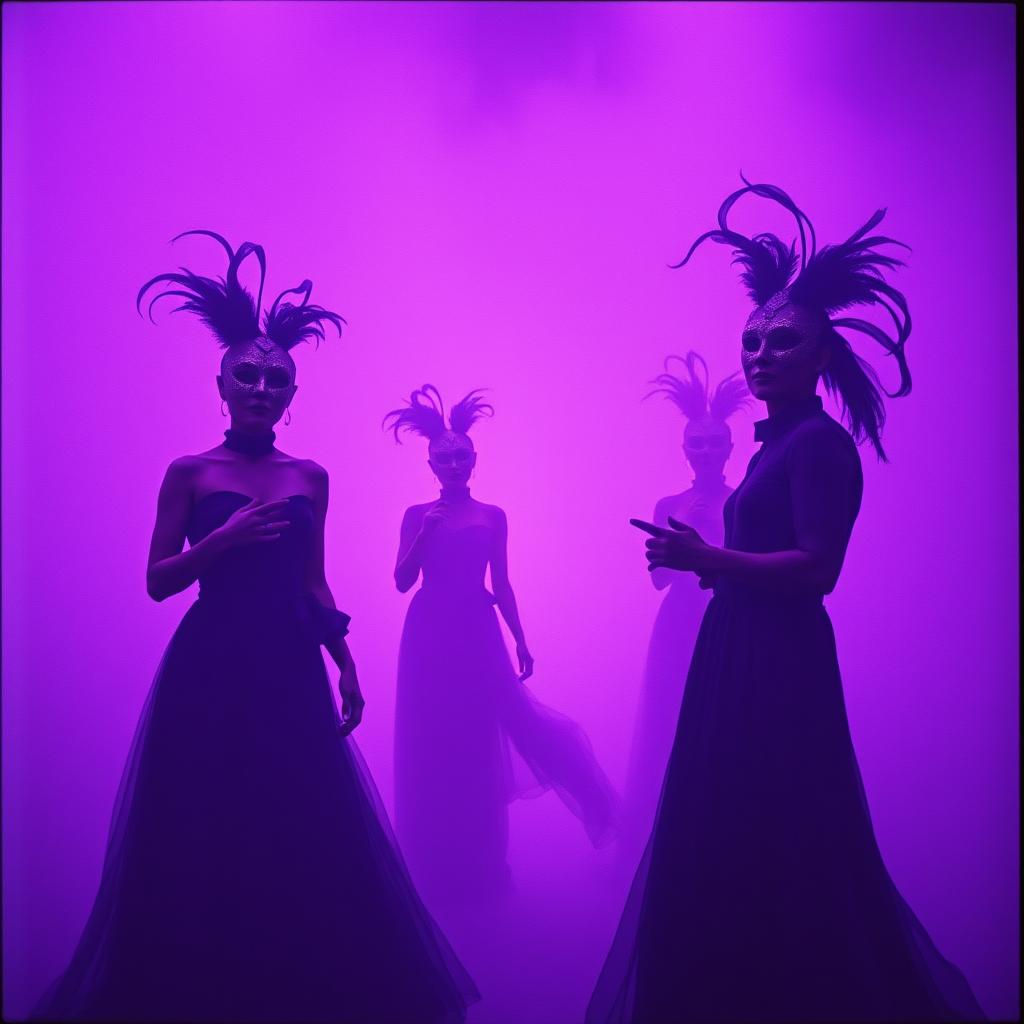





Speech, cuts and crowds often ask for a thinner arrangement
Under speech, mystery lives in the gaps around the words. Keep the low register quiet enough for consonants to land, then let a thin upper tone arrive after a phrase rather than under every word. Let a dry pulse mark a few structural points; constant subdivision reveals the pattern too quickly. A narrow dynamic range keeps the voice close, and a held interval leaves space around the words without smearing them. Choose attacks with a clean edge when a breath or footfall belongs to the room's sound.
Cuts can make continuity harder to hear. Let a sustained tone carry a cut, but keep its pitch from explaining every change in the image. A small repeated figure can connect the sections; let one accent arrive late after a cut so the ear notices the gap. In a crowd, resist filling every register. Put one distinct line above the voices or a low tone beneath them, then thin the center so movement and speech remain clear. The arrangement stays mysterious when the music leaves space around the crowd, keeps activity at the edges and protects whatever must remain heard.
Mysterious voices leave the tonic waiting
An isolated voice suggests a person close by. Keep the voice within a narrow register and range if the lyric should feel overheard; let a higher line hover above the tonic if the singer should seem farther away. A small group changes the exchange. Have the group repeat a vowel, answer only part of the solo phrase or enter one beat late. That incomplete exchange keeps the ear tracking two locations without turning the texture into a wall of voices.
Silence can suggest a vocal presence too. A bowed glide, a breath between attacks or a melody shaped like a syllable can suggest singing without adding a singer. The lyric's language shapes how the mouth moves. Open vowels support a long held note; clipped consonants bring more interruption and percussive detail. Write the line in the language whose sounds suit the imagined speaker, then keep the register, phrasing and cutoff consistent with that choice. Let the group miss the solo's last interval. A final breath or a missing consonant leaves more uncertainty than a large wash of reverb.
The omitted return rewrites the first bar
The dry attack beneath speech and the unfinished vowel from the group echo create the same kind of buildup. Begin with the close and leave one fact unconfirmed. A final vowel stops before the tonic, a theremin slides away from its target or the pulse skips its expected return. That ending determines what the middle must do. Let the harmony circle nearby pitches, keep the low bed from exposing the root and bring the group echo only once. At the opening, establish one clear sound, perhaps a dry attack under the first spoken line or a tone in a narrow register that arrives before its source is clear.
If the close turns into a full cadence, the middle needs a clearer tonal trail and the opening must plant the root earlier. If the close ends in silence, protect the final breath by thinning the layer before it and keeping the last attack dry. In Suno, shape the music around the cut-off vowel, the omitted return and the narrow harmonic route. Start with the close, then set the middle's restraint and the opening's single clue. Leave the first bar with one dry attack, a narrow register and no full chord beneath it.
Frequently asked questions
- Why does a bowed metal tone feel closer when the attack stays dry?
- A dry attack exposes the scrape's first edge and the gap after it. That gap keeps the sound near the ear without revealing its source. A short bowed metal tone suits a narrow register and sparse harmony. A longer tail makes the sound more atmospheric and softens the clue. Leave room around the tone, then let a second sound arrive late or at a different pitch. The uncertainty comes from placement and restraint, with effects kept sparse.
- When does a restrained beat start pressing against the chest?
- Pressure comes from the relationship between a steady low pulse and a changing upper layer. Keep the tempo settled, then move an accent off the expected point, shorten the gaps or let the upper line climb by small steps. Each choice asks the body to wait without requiring a faster beat. A crowded low register blunts the pressure; a dry kick with open space around it keeps the tension focused. For a darker turn, remove one return and leave the volume steady.
- Where does a mysterious arrangement place its first clear landmark?
- A partial clue usually comes first. The opening gives the listener one dry attack, a low note without its root or a vocal breath before the phrase arrives. That first sound establishes register and distance without explaining the whole harmony. Later, the arrangement returns to it, moves it to another octave or leaves it out of the final sound. A clear opening preserves mystery by giving the listener one fixed point while the answer remains missing.