Morning Music
Before the first message, start with a tanpura drone beneath a high note and a soft hand drum with space between its hits. Keep the melodic line patient, and let it reach its peak gradually. In AI-made tracks, small changes and an open register can let a morning feeling develop. Bring those choices to Suno, keeping the first texture spare and letting the brightest phrase arrive after the ear has settled.
Showing 20 of 20
 3:57Chapel Piano Indie Pop: Slowcore Hymn Blended With Sunrise Folk, 68 BPM, Adagio Easing Into Andante. Begin With Twenty Seconds Of Solo Felted Upright Piano
 4:03Cinematic Melodic Sunrise Pop, 92 BPM, Female Vocal Only. Begin Very Softly With A Repeating Pulse Inspired By “ton — Tudududun — Ton”
 6:07Yes — That Combination Could Work Beautifully: **1970s Soft-pop Warmth + Classic Bossa Nova Rhythm**, But With A **male Lead** If We Want To Preserve Your Current Song. I’d Avoid Naming The Group Directly In The Suno Prompt And Describe The Musical Characteristics Instead. ### STYLE — 1970s SOFT-POP BOSSA NOVA 1970s-inspired **soft Pop Bossa Nova**, Elegant Easy-listening Production
 5:33Cinematic Melodic Sunrise Pop, 85 BPM Half-time Feel With A Faster Inner Pulse. Female Vocals Only. Start Soft And Hypnotic With Muted Piano, Warm Synth Pulse











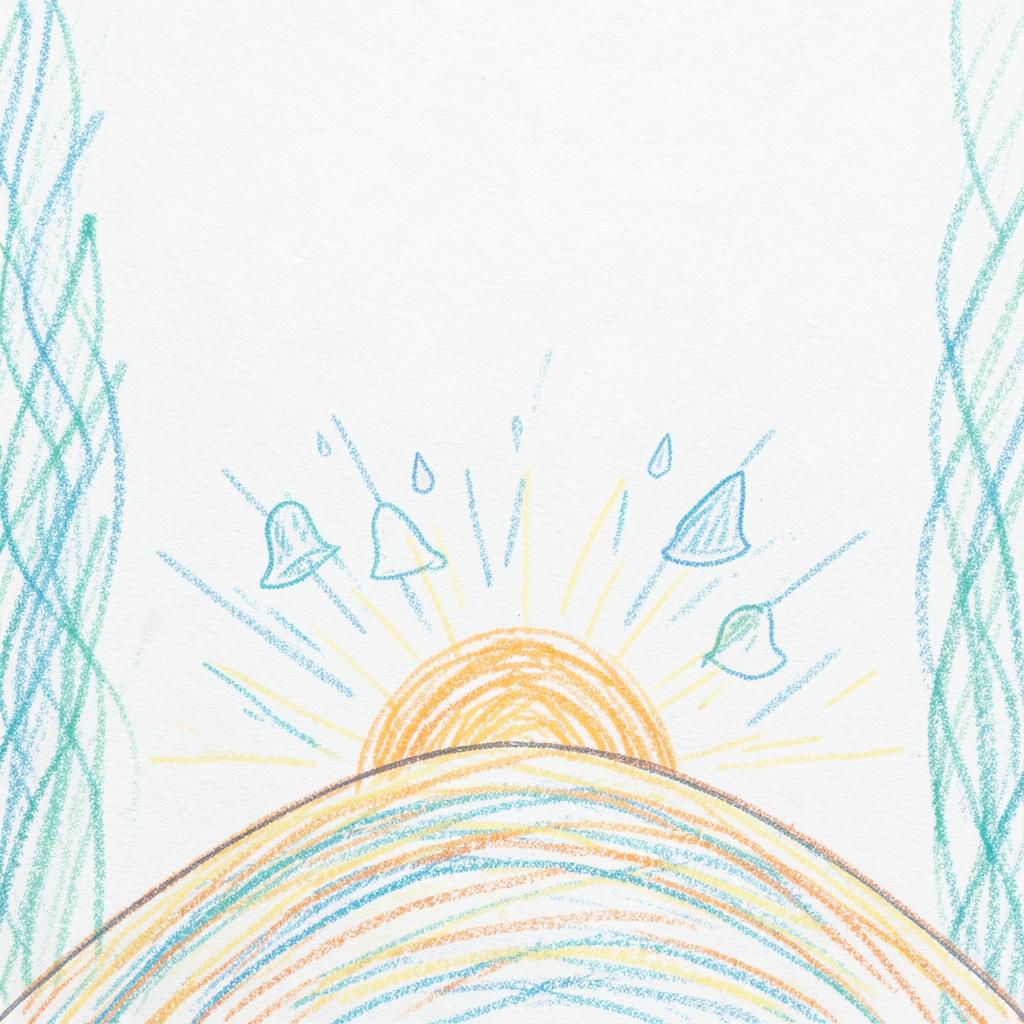
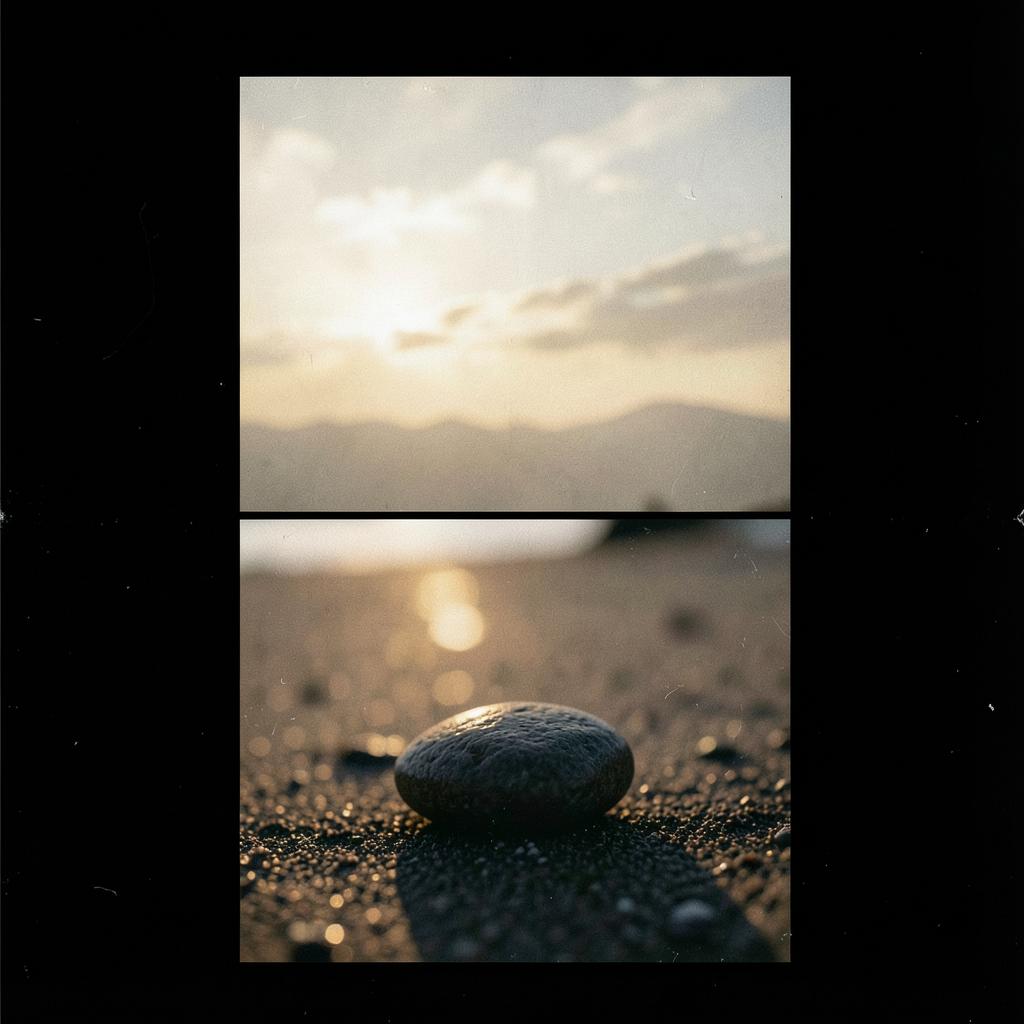


A tanpura drone steadies a North Indian morning raga
Some North Indian classical traditions connect particular ragas with times of day. Morning associations often suggest a poised opening before the melody grows more active. The tanpura's sustained drone gives the ear a home pitch while the melodic line works above it in careful phrases. In this setting, ornament matters as much as speed. A small ornament, a held note or a measured slide changes the feeling of time without filling the texture. The space around each phrase keeps the music focused.
A maker draws on that restraint without treating a raga name as a shortcut. Build around a steady tanpura drone, a patient upper line and a register that starts close and opens later. Keep the opening unhurried, let the melody answer the drone after a breath and save denser ornament for the middle. If a Western piano or a soft frame drum enters, keep its part beneath the sustained center. Keep the drone underneath every brighter phrase.
Morning music asks where the waking energy starts
A bright upper line and a clear rhythmic edge wake the ear in different ways. Register-led music keeps the pulse calm while a melody climbs, widens a chord or adds a little air above the drone. Rhythm-led music holds the pitch mostly steady and lets articulation do the work, perhaps through a hand drum, a brushed pattern or a bass figure that arrives after the first phrase. The choice leaves the arrangement spacious and inward or gives it a gentle forward motion.
The opening should prepare the change that follows. When the first texture already has a strong sustained center, a small rhythmic change stands out more clearly than another high part. When the pulse feels too plain, a single upper note or a wider interval adds brightness without making every instrument busier. Keep one element stable while another shifts. A brief return to the opening material lets the listener hear the change before the arrangement settles with fewer active parts.
One bright note waits above the tanpura drone
The tanpura drone sets a quiet foundation. Begin with one sustained center and a sparse upper phrase. Keep the opening still, with no movement beyond those first sounds. Give the melody a patient entrance, keep the rhythm quiet and leave space around the opening. After the upper phrase, let the line rise into a clearer register and bring in a soft hand drum or brushed pulse for a short passage. Keep the drone beneath the change so the music shifts energy without losing its center.
In Suno, shape the sequence as an hour unfolds. Set a slow-to-moderate tempo, use held notes and restrained attacks and choose a point where the rhythm becomes more legible. After the middle passage, thin the texture again, return to the first melodic shape and leave one high note suspended over the drone. A final chord or open interval should feel settled while leaving some space around it.
Frequently asked questions
- Which traditions connect ragas with the early hours?
- Some North Indian classical traditions associate particular ragas with times of day, including the morning. The association involves more than a clock label. Register, interval color and the pace of unfolding help create a mood that suits the hour, though practices vary by lineage and performer. A maker draws on the broader lesson by keeping the opening poised and letting brightness arrive little by little. This respects the tradition by keeping one raga name from standing in for a fixed arrangement.
- What makes a morning track feel rushed at a gentle tempo?
- A gentle tempo alone does not create morning ease. Rushed tracks often stack bright parts at the opening, keep every note sounding and bring the bass forward before the ear has a resting point. A stronger arrangement gives one figure time to register, changes a single element and keeps some space around the return. Set out the order of those changes, keeping mood words secondary. Convincing energy arrives at a measured moment, with the opening figure still sounding beneath it.
- How does Cuban son keep a bright groove grounded?
- Cuban son often balances a repeating bass figure, interlocking percussion and short guitar patterns, with the clave giving the groove a clear rhythmic frame. That structure keeps brightness tied to a steady pulse because the parts leave room for one another. For a morning interpretation, keep the opening lean, let the percussion gather in layers and reserve the fuller rhythmic exchange for the middle. The groove gets its lift from the push and pull of the pattern, with space left around each beat.