Maskandi: Zulu guitar, movement, and lived story
Maskandi pairs a story-led vocal with the picked guitar language and instrumental opening associated with Zulu maskandi. The form can feel mobile and conversational, carrying everyday observation through an isiZulu-centered performance tradition.
Showing 1 of 1
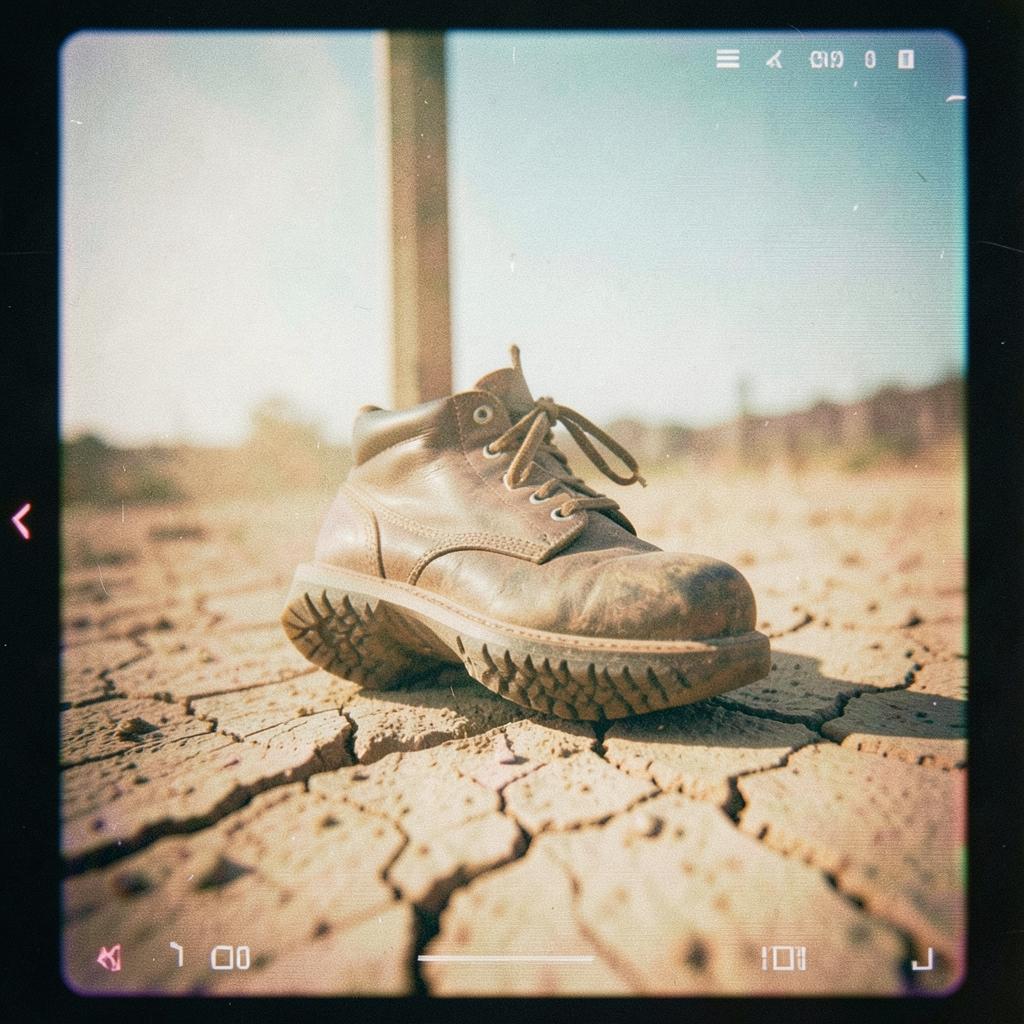
Open with izihlabo
An izihlabo is an instrumental introduction that sets the tone before the main song arrives. Acoustic guitar and concertina are documented choices, and the opening can announce the player's rhythm before the vocal enters. Let it establish the road, room, or social setting in a few focused phrases.
The introduction gives Maskandi a recognizable entrance. Keep it distinct from the verse so the voice feels like a person stepping into an already moving story.
Make the guitar and voice converse
Early maskanda performance often centered on a solo singer accompanying himself with strummed guitar. Later practice developed faster picking and group interplay, including a leader's call and responses from other voices. Use that relationship to keep the arrangement active without crowding the lyric.
A quick guitar figure can answer a spoken line, while a repeated vocal response gives the song a communal edge. Keep the words clear when the story turns toward praise poetry, daily work, or a difficult choice.
Give the narrator a route
Maskandi's documented subject matter includes movement between rural homes and economic centers, personal joys and sorrows, and observations of social life. A road, a return, a family duty, or a workday can supply the lyric's direction without turning the setting into decoration.