Moroccan music: Gnawa, chaabi, Amazigh, and Andalusi threads
Moroccan music is a meeting place for Amazigh, Arab, African, Andalusi, Jewish, and modern urban traditions. Gnawa, chaabi, malhun, and regional folk forms each carry different rhythms, instruments, and histories. A good song names its thread before adding contemporary production.
Showing 3 of 3
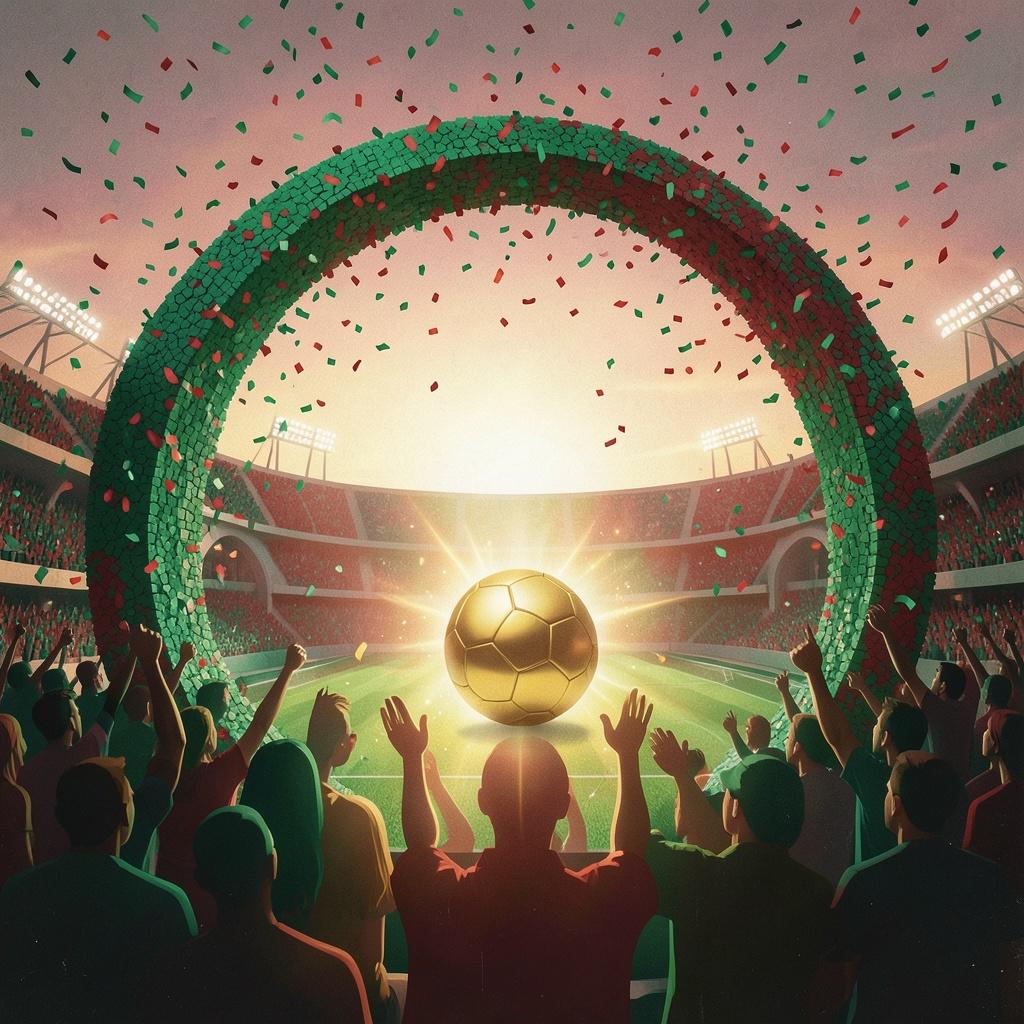
 1:19Music For The World Cup. The Music Is A Fan Chant Of The Moroccan Fan There Will Be A Morrocan Rythme. The Song Is In Moroccan Linguage
 4:59Arabic Instrumental Calm With Oud And Qanun Over A Laid-back Moroccan Rhythm; Verse-like Opening With Sparse Plucked Oud, Midsection Adds Qanun Replies And Hand Percussion, Then A Gentle Swell With Frame Drum Accents And Subtle String Flourishes Before Settling Back; Soft Breathy Room Texture
Choose the tradition first
Gnawa can center guembri, qraqeb, repeated phrases, and a trance-oriented cycle; chaabi may lean toward popular celebration; Amazigh and Andalusi forms bring other melodic and linguistic choices. Keep the core practice recognizable instead of combining every Moroccan reference into one surface.
Let the language locate the song
Darija, Amazigh language, Arabic poetic text, or another local register can change the vocal rhythm. A wedding, pilgrimage, street gathering, or reflective song calls for a different pulse. Modern bass and synths can widen the track when they leave the chosen heritage audible.