We believe the future of music will be more participatory than ever before.
Music is one of the oldest and most universal forms of human expression, and it has always evolved alongside technology. The last wave of technology made it easier for people to find and listen to music. We believe this next wave will make it possible for far more people to experience the joys of creating it.
Our mission is to build the world’s best platform for music creation while contributing to a healthy and growing music ecosystem.
We've always believed that how we build matters just as much as what we build. From the beginning, we’ve held ourselves to a clear set of principles that help us make decisions in a fast-changing environment, always rooted in supporting artistry and creativity.
Today we’re sharing those principles, how they already show up in our work, and the new actions we’re taking because of them.
Our Principles
Great Music is Made by People
Technology can unlock new ways to create, but it can’t replace the human experiences, emotions, and imperfections that make music meaningful.
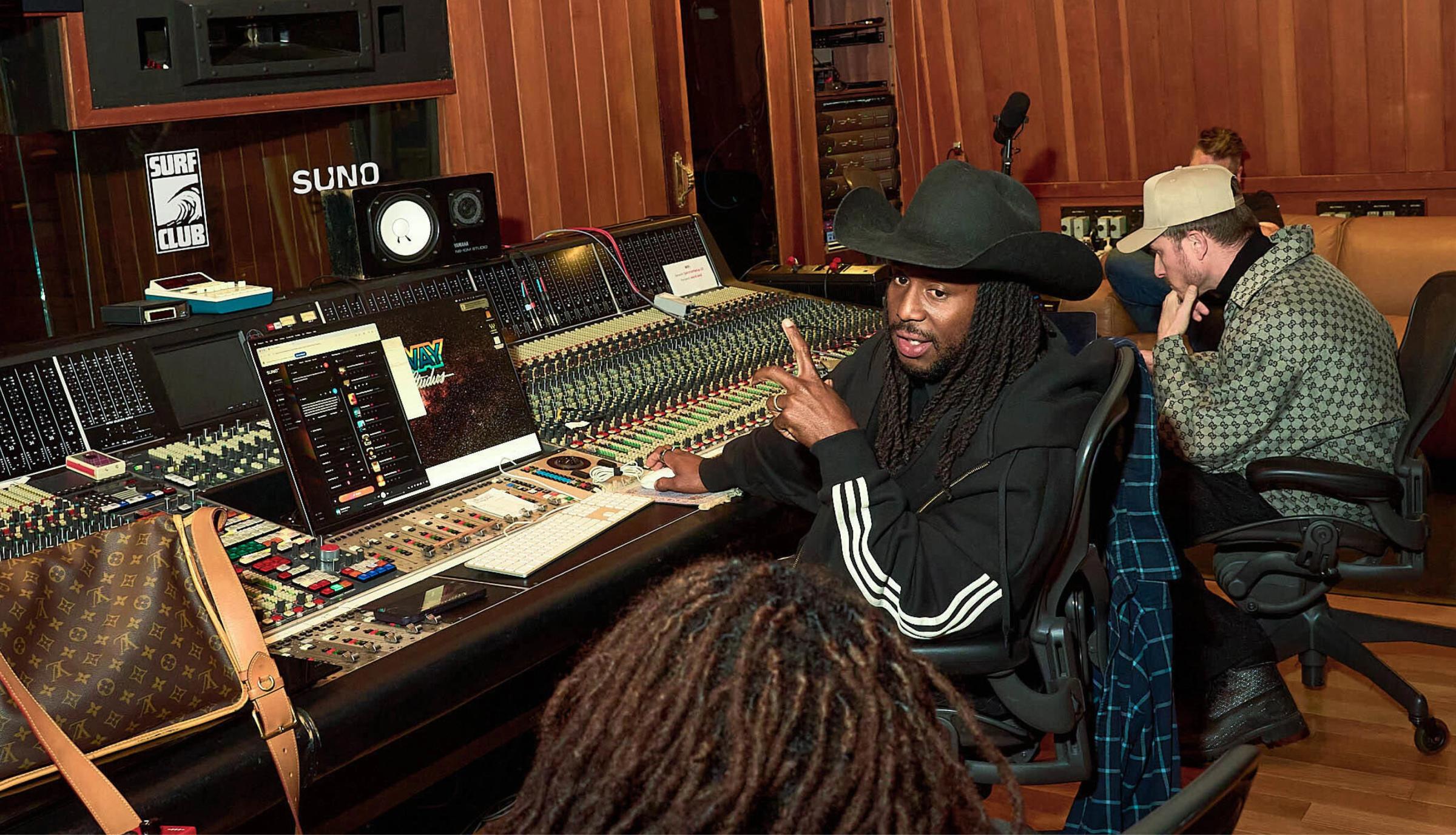
That’s why we build our models and products alongside artists, songwriters, musicians, and producers. Every week, we host writing camps with artists at all stages of their careers to understand how our tools fit into their creative workflows, where they fall short, and what we should improve.
Our goal is to get inside the creative process with artists of varying backgrounds and approaches so we can build tools that support how they actually want to create.
Technology Opens New Possibilities for Creatives
We believe our tools should open new ways for artists to create, reach fans and build their careers. That belief is central to the next generation of music models we’re developing in partnership with the music industry.
As we build toward that future, we support artists today through several initiatives. We invest in educational programs that provide creative creators with resources to grow their careers. Through Spark, our creative funding and incubator program for emerging, unsigned artists, we provide grants, mentorship, and dedicated marketing support. And we’re exploring a range of mechanisms for artists to capture new opportunities and benefits that couldn’t have existed before this technology.
AI Should Enable Originality, Not Imitation
AI should help people create something new, not imitate someone else’s work. This philosophy has guided how we’ve built our models and platform from the start.
We use training strategies we call Original Creation, By Design to reduce the risk of unauthorized reproductions. For example, we intentionally chose not to use artist names in our training metadata because our goal is to help people create original songs – not music that sounds like existing artists.
Unlike many AI music platforms, we’ve never allowed prompts for specific artists or copyrighted songs.
Instead, when a prompt references a specific artist, we remove the artist’s name and redirect the request toward descriptive musical characteristics. We also work with Audible Magic, Musixmatch and other third party technology providers to screen uploaded audio files and lyrics for potential unauthorized use of artists’ work.
More People Creating Music Should Strengthen the Ecosystem
We believe that when more people experience the joy of creating music, music itself becomes a bigger part of their lives. They feel more connected to the songs they create, and the artists and music that inspires them. Most of the music people make on Suno is deeply meaningful: a lullaby for a child, a song for a partner, or something made to preserve a memory. That music may never be released publicly, but it still has real value to the person who made it.
That is fundamentally different from using generative technology to mass export content. While we don’t think it’s our role to decide what has artistic value, we have an important responsibility to make it harder to abuse AI tools in ways that undermine a healthy music ecosystem.
Last year, we shared that we planned to introduce a more intentional approach to downloads. We will soon introduce a new downloads policy designed to limit the ability to mass distribute songs on streaming platforms, while preserving the professional, creative, and personal ways people use Suno. These changes won’t affect the vast majority of our users, but they will make large-scale abuse much harder.
New Tools for Artists and Platforms
These principles – and our ongoing conversations with creatives, rightsholders, users and platforms – continue to inform our roadmap.
As AI becomes an even greater part of how music is made, people need reliable ways to understand when it has been used.
We are starting to roll out new transparency tools that align with emerging industry standards so songs generated on Suno can be identified if they are shared on other platforms. In the coming weeks, we will also be adopting new audio watermarking and fingerprinting technology so we can partner more closely with distribution platforms on combatting fraud and misuse.
These tools are designed to be durable and resistant to tampering, without affecting the listening experience. They are also not intended to pass judgment on whether a song is good, meaningful, or sufficiently human.
Ultimately, we believe it should be up to artists and platforms to decide what they want to disclose. Our role is to build tools that give them transparency options and make it easier to collaborate across the industry.
Clearer Community Guidelines
Our Community Guidelines have always reflected clear positions on harmful behavior. Today, we’re updating them to make our rules easier to understand and to be more explicit about activities that have no place on Suno.
From the beginning, we have prohibited attempts to recreate existing songs, upload material people do not have the rights to use, or use someone’s voice or likeness without permission. We also prohibit scams, spam, fake engagement, attempts to evade our systems through bots, deceptive audio presented as authentic, and other harmful activity.
Our Trust & Safety team proactively reviews content and investigates reports submitted through our in-app reporting tools. Depending on the severity of a violation, enforcement can range from warnings and temporary suspensions to permanent account bans and, where appropriate, referrals to the relevant authorities.
Looking ahead
This is one of the most interesting moments music has experienced in decades. The landscape will continue to evolve quickly, and many of the questions ahead are bigger than any one company. The best answers will come from artists, songwriters, labels, publishers, platforms, and technology companies all working together.
We believe this moment has the potential to bring more people into making music, create new opportunities for artists, and strengthen the music ecosystem. Staying grounded in our principles, and continuing to listen, learn, and adapt, is how we'll navigate that change as we help build toward that future.
We're excited about what comes next.