

4:01
Perform a Spanish folk protest song titled 'Canto a la Libertad' in its original form, featuring a warm, slightly gravelly voice with a raw, authentic, and expressive delivery, Maintain a moderate tempo of 60 BPM, accompanied by simple acoustic guitar strumming that remains minimal and supportive, Infuse the performance with deep emotions of hope, defiance, and unity, reflecting themes of freedom and resilience, Use the original Spanish lyrics ('Habrá un día, ') with clear pronunciation and a natural, storytelling cadence, ideally with a subtle regional accent hinting at a northern Spanish influence, Focus on a sincere, unpolished vocal style that inspires a sense of collective struggle and strength, « Male voice imitating Salvador Dalí himself singing in French with a very strong, exaggerated Catalan-Spanish accent (rolled R’s, thick « rr », pronounced « j » as « rr », « ch » as « tch », open vowels), Theatrical, grandiose, narcissistic, bombastic delivery, half-sung half-declaimed
3:09
3:02
5:22
Chanson réaliste française, style Édi*h Pi*f, tragique et gouailleuse, dans une ambiance de ruelles parisiennes, Voix rauque, vibrante, en mineur (La ou Ré), tempo lent (60-80 BPM), avec piano, accordéon, cordes subtiles et contrebasse, Paroles poétiques, crues, pleines d’allitérations, sur une chanson amoureuse et menaçante, implorant son créateur, Structure : six couplets, refrains dramatiques, crescendos, silences expressifs, Son vintage cabaret années 50, sans effets modernes
5:09
Perform a Spanish folk protest song titled 'Canto a la Libertad' in its original form, featuring a warm, slightly gravelly voice with a raw, authentic, and expressive delivery, Maintain a moderate tempo of 60 BPM, accompanied by simple acoustic guitar strumming that remains minimal and supportive, Infuse the performance with deep emotions of hope, defiance, and unity, reflecting themes of freedom and resilience, Use the original Spanish lyrics ('Habrá un día, ') with clear pronunciation and a natural, storytelling cadence, ideally with a subtle regional accent hinting at a northern Spanish influence, Focus on a sincere, unpolished vocal style that inspires a sense of collective struggle and strength, « Male voice imitating Salvador Dalí himself singing in French with a very strong, exaggerated Catalan-Spanish accent (rolled R’s, thick « rr », pronounced « j » as « rr », « ch » as « tch », open vowels), Theatrical, grandiose, narcissistic, bombastic delivery, half-sung half-declaimed
3:23
Chanson réaliste française, style Édi*h Pi*f, tragique et gouailleuse, dans une ambiance de ruelles parisiennes, Voix rauque, vibrante, en mineur (La ou Ré), tempo lent (60-80 BPM), avec piano, accordéon, cordes subtiles et contrebasse, Paroles poétiques, crues, pleines d’allitérations, sur une chanson amoureuse et menaçante, implorant son créateur, Structure : six couplets, refrains dramatiques, crescendos, silences expressifs, Son vintage cabaret années 50, sans effets modernes
6:11

Perform a Spanish folk protest song expressive delivery, Maintain a slow tempo of 60 BPM, accompanied by simple acoustic guitar strumming that remains minimal and supportive, Infuse the performance with deep emotions of sad, defiance, and unity, reflecting themes of freedom and resilience, Focus on a sincere, polished vocal style that inspires a sense of moral and strength, « Male voice imitating Salvador Dalí himself singing in French with a very strong, exaggerated Catalan-Spanish accent (rolled R’s, thick « rr », pronounced « j » as « rr », « ch » as « tch », open vowels), Theatrical, grandiose, narcissistic, bombastic delivery, half-sung half-declaimed
5:19
Perform a Spanish folk protest song expressive delivery, Maintain a moderate tempo of 60 BPM, accompanied by simple acoustic guitar strumming that remains minimal and supportive, Infuse the performance with deep emotions of sad, defiance, and unity, reflecting themes of freedom and resilience, Focus on a sincere, polished vocal style that inspires a sense of moral and strength, « Male voice imitating Salvador Dalí himself singing in French with a very strong, exaggerated Catalan-Spanish accent (rolled R’s, thick « rr », pronounced « j » as « rr », « ch » as « tch », open vowels), Theatrical, grandiose, narcissistic, bombastic delivery, half-sung half-declaimed

4:28
Perform a Spanish folk protest song titled 'Canto a la Libertad' in its original form, featuring a warm, slightly gravelly voice with a raw, authentic, and expressive delivery, Maintain a moderate tempo of 80-90 BPM, accompanied by simple acoustic guitar strumming that remains minimal and supportive, Infuse the performance with deep emotions of hope, defiance, and unity, reflecting themes of freedom and resilience, Use the original Spanish lyrics ('Habrá un día, ') with clear pronunciation and a natural, storytelling cadence, ideally with a subtle regional accent hinting at a northern Spanish influence, Focus on a sincere, unpolished vocal style that inspires a sense of collective struggle and strength
5:59
Over gently strummed acoustic guitar at 60 BPM, a warm, raw male voice—channeling Dalí with pronounced Catalan-Spanish quirks—delivers half-sung, half-declaimed vocals in French, The expressive, bombastic cadence weaves grandiosity into sincere storytelling, drawing from folk and chanson, inspiring unity and resilience
7:05
A French-language industrial metal track with a driving, distorted bassline and a prominent, heavily processed male vocal, The song features a consistent, mid-tempo drum beat with a strong snare emphasis, The vocal delivery is a spoken-word, almost rap-like style, with a deep, guttural quality and significant distortion and reverb, The instrumentation is sparse, focusing on the rhythmic interplay between the bass and drums, creating a dark and aggressive atmosphere, There are occasional synth or guitar accents that add to the industrial texture, The overall production is raw and unpolished, emphasizing the harshness of the sound, The song structure is largely verse-based, with a repetitive, almost hypnotic quality
4:36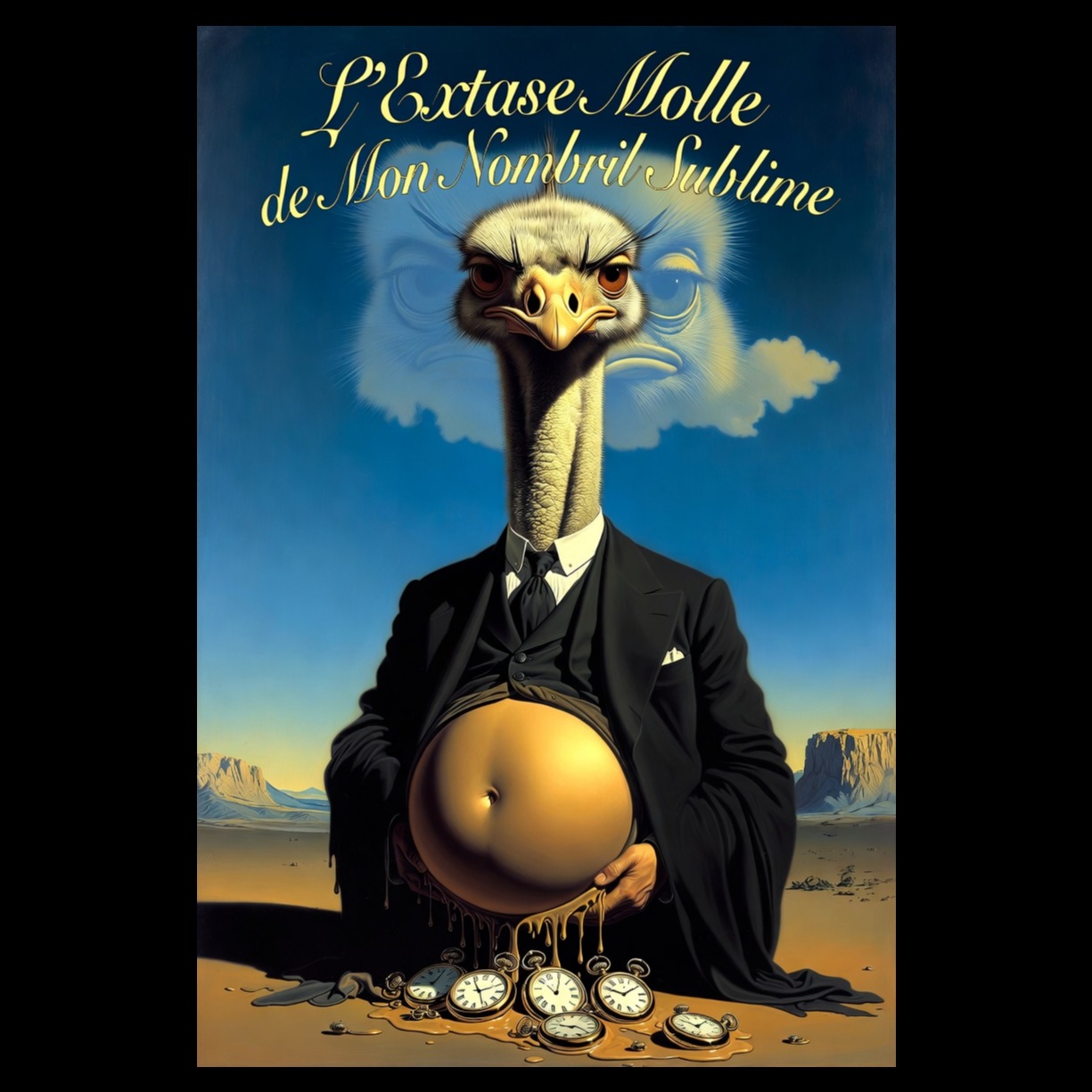
Spanish folk protest, chanson réaliste, 60 BPM, acoustic guitar strumming, brittle baritone vocal, half sung declamation, northern Spanish accent, exaggerated Catalan Spanish accent, rolled R consonants, open vowel diction, monophonic close mic, room tone ambience, tape saturation, natural dynamic range, collective chant refrains, defiant resolve, hope under strain, sparse arrangement, dedication style delivery