4:48

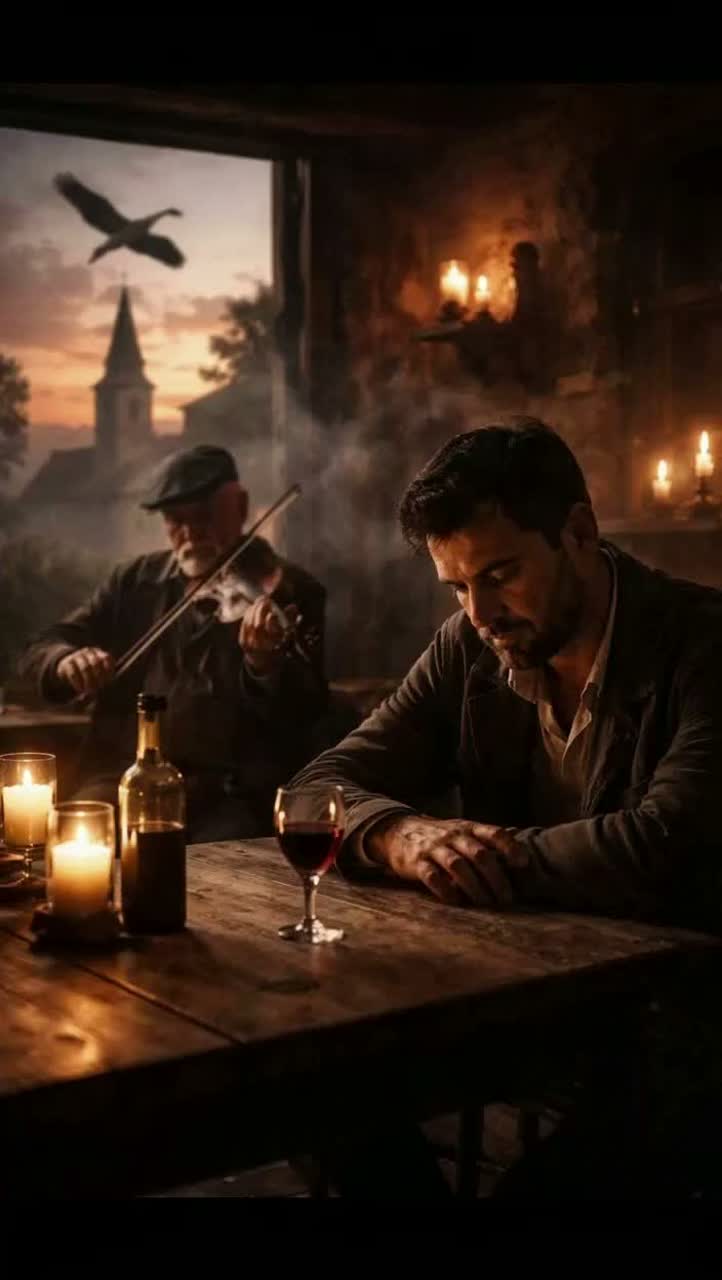
A prímás
v5
Create a passionate Hungarian folk song titled "A Prímás" featuring a fiery violin (gypsy style), acoustic guitar, double bass, and bongo percussion, The song starts with a slow, smoky instrumental intro, followed by a medium-tempo storytelling verse, then a lively, upbeat verse, The first refrain is defiant and energetic, leading to a soft, melancholic instrumental bridge, The third verse is slow, emotional, and sorrowful, followed by a tender, melancholic refrain, Next, a full-band, intense instrumental builds energy for the explosive third refrain with all instruments playing passionately, The outro is a gentle instrumental fade-out with lingering violin and soft guitar, Capture dynamic tempo changes, emotional highs and lows, and a smoky, tavern-like atmosphere, Male vocals, expressive, heartfelt, Hungarian phrasing
2:52

Borocska
v5
Hungarian mulatós folk party song in lively csárdás style, Male vocal with joyful, powerful delivery, Fiddle and cimbalom lead, supported by clarinet, accordion, and upright bass, Fast stomping rhythm with handclaps and festive tavern energy, Include a sing-along chorus with male backing vocals shouting joyfully, creating a drunken yet happy atmosphere, Keep instrumentation playful and danceable, emphasizing fiddle solos and cimbalom rolls, Song structure: intro with fiddle + cimbalom, verses with male vocal supported by accordion and clarinet, chorus with full band and choir sing-along, bridge with dramatic fiddle + cimbalom tension, outro as instrumental jam with laughter and stomping, Energetic, celebratory, carefree mood like friends drinking, singing and dancing deep into the night
2:44

Create a Hungarian folk csárdás in a slower, expressive tempo, leaning towards the “lassú csárdás” style, Use violin, cimbalom, clarinet, and double bass with soft rhythmic clapping, The mood should be playful yet heartfelt, with space for storytelling in the verses, The male vocal should be strong, confident, and cheeky, with a “betyár” swagger, delivering both sorrowful lines and mischievous charm, Keep the rhythm steady and danceable, but not too fast, The chorus should feel more uplifting and defiant, while still slower than a friss csárdás, Include emotional violin ornamentation, cimbalom runs, and clarinet fills, Finish with a graceful, folk-style outro
4:33

An authentic Hungarian gypsy love ballad performed by a husky, emotional male vocalist, The song begins with a slow rubato violin and cimbalom intro, creating a nostalgic and sorrowful atmosphere, Acoustic guitar and upright bass join softly, supporting the singer’s raw, heartfelt voice filled with pain and longing, The verses are intimate, the chorus rises with full gypsy ensemble: passionate violin lead, shimmering cimbalom fills, soft snare brushes, tambourine, and double bass, The melody flows like a lament, evoking love lost and endless wandering, Violin solos cry between the verses, expressing deep soul and heartbreak, In the bridge, the vocal grows rough and intense, accompanied by violin echoes and delicate cimbalom arpeggios, The outro fades with a single violin note and whispered male voice, full of tears and pride, Emotional, cinematic, and authentically gypsy in spirit
3:24

Elmegyek
v5
Slow, emotional Hungarian mulatós ballad with deep sadness and restrained power, Tempo around 85 BPM, minor key with rich, traditional folk color, Lead vocal: solo male voice, slightly raspy and heartfelt, singing with slow vibrato and expressive phrasing, conveying pain and longing, Instrumentation: solo violin, cimbalom, acoustic rhythm guitar, upright bass, soft snare with brushes, and subtle trumpet accents for depth, No accordion, no female vocals, The song begins with a mournful violin–cimbalom intro, then the bass and gentle guitar join, Each chorus swells with sorrow, the voice stronger but still broken, Bridge section quieter and introspective, almost whispered, End with fading violin and cimbalom, echoing the last line “Amíg meg nem halok, ” Mood: lonely, regretful, a man drinking alone with memories of lost love
3:59

Slow Hungarian gypsy song, emotional and melancholic, Raspy male vocal with heartfelt expression, deep vibrato, and gypsy phrasing, Instruments: lead violin, cimbalom, acoustic guitar, double bass, light brush drums, The music should sound like a slow, late-night tavern ballad full of soul and sadness, Include expressive violin solos in the intro, middle, and outro, The bridge section repeats at the end with full band and passionate violin, Style: traditional Hungarian gypsy sound, sorrowful but beautiful, like a man singing through his tears after midnight
4:43

Create a soulful, heart-wrenching Hungarian Gypsy song titled "Borospohár", The vocal is a raspy male voice, raw and emotional, conveying deep heartbreak, The setting is a smoky small pub with murmuring drunken patrons, Instrumentation includes violin, cimbalom, clarinet, brácsa, and double bass, The intro is instrumental, violin softly like brushing cobwebs, Include a mid-song violin intermezzo, free and emotional, as if crying alone, Choruses are sorrowful, with wailing violin, expressing fatal longing, The final chorus repeats after a short instrumental break, even more passionate and desperate, Outro fades like a last sigh, Tempo is moderate, melancholic, swaying like candlelight, The song should convey betrayal, sorrow, longing, and the bittersweet consolation of wine and music, rich in ornamentation, slides, and vibrato, for a visceral, cinematic Gypsy-music experience
4:26

Emotional Hungarian Gypsy Ballad in slow minor tempo, Raspy, soulful male vocal full of pain and longing, Lead by a crying violin with deep vibrato, supported by viola, soft piano, and shimmering cimbalom, Acoustic guitar and cajón appear gently in bridges, adding rhythm to the sorrow, Expressive phrasing, cinematic emotion, The violin weeps through each section, sometimes echoing the vocal melody like a human voice, Background strings and subtle bass provide depth, Occasional humming choir in the background during the climax, The outro fades with solo violin and piano reverb, leaving a haunting silence, Create an atmosphere of heartbreak, love lost, and eternal longing — a true gypsy lament that feels like a prayer whispered to the night
5:08

Create a moderately slow Hungarian Gypsy folk song with a raspy male vocal, Include heartfelt verses and a chorus, sung with raw emotion, Feature crying violin solos, cimbalom, and soft percussion to evoke a smoky tavern atmosphere, The second verse should serve as the chorus, repeating after each verse, and the final chorus should slow into an expressive, emotional outro, Keep the style emotional, immersive, with a mix of sorrow and playful tavern energy, Tempo moderate-slow, dynamics expressive, violin leads with crying tone, vocal raspy and expressive, balancing melancholy and liveliness
4:19

Create a passionate, full-length Hungarian Gypsy folk song with a raspy male vocal, Include heartfelt verses and a chorus, sung with raw emotion, Feature crying violin solos, cimbalom, and subtle percussion to evoke a smoky tavern atmosphere, The second verse should serve as the chorus, repeating after each verse, and the final chorus should slow down into an expressive outro, Keep the style lively, a bit mischievous, and deeply emotional, Instrumental interludes must highlight the violin, Ensure the performance feels authentic, dramatic, and immersive, capturing both heartbreak and playful tavern energy, Tempo moderate, expressive dynamics, Gypsy folk timbre, violin leads, vocal expressive and raspy
5:11

A deeply emotional traditional Hungarian gypsy ballad (cigány nóta), Very slow tempo, dark and mournful atmosphere, Male lead vocal, sorrowful, slightly hoarse, singing with deep pain, Dominant crying solo violin with heavy vibrato, expressive slides and weeping phrases, often answering or echoing the vocal lines, Cimbalom accompaniment is subtle but present, supporting the harmony with soft, sparse strikes, growing stronger in the choruses, No modern instruments, No drums, No bass guitar, Rubato feel, free timing, very expressive phrasing, Instrumental interlude featuring an extended solo violin that sobs and bends notes dramatically, almost like human crying, Overall mood: heartbreak, abandonment, late-night tavern sorrow, empty glasses, lost love, emotional collapse, Traditional Eastern European gypsy style, authentic, raw, intimate, melancholic, timeless
4:09

Emotional Balkan sevdalinka song in a tavern mood, sad but communal, Male vocal with passionate, sorrowful delivery, sometimes joined by male backing choir like drinking friends, Instrumentation: accordion carrying the main harmony, saz (Bosnian plucked lute) for rhythmic strumming and arpeggios, frame drum with slow sevdah rhythm, flute for melancholy instrumental lines, and occasional plucked electric guitar for subtle color, Intro with accordion + saz + flute, verses led by male vocal and light percussion, bridge slower with stretched vocals and sustained accordion chords, chorus full band with choir backing and strong frame drum, Instrumental interlude led by flute and accordion, Outro fades with flute solo, saz and accordion, Atmosphere: emotional, nostalgic, sorrowful drinking song, sung in a smoky tavern at night, filled with longing and brotherhood
3:27

Hungarian traditional folk song (magyar nóta, csárdás style), Male lead vocal, slightly drunk and warm, joyful storytelling tone, Instruments: cimbalom, expressive violin, tambura rhythm, light male choir backing in chorus, Tempo medium-fast, danceable, village tavern atmosphere, warm room reverb, Emotional mix of humor, romance, friendship, and drinking songs, Authentic Hungarian folk harmony, melodic ornamentation, lively yet lyrical, Clear Hungarian pronunciation, playful phrasing, natural breathing and slight vocal sway as if sung in a small pub at night
2:22

Hungarian traditional folk song (magyar nóta, csárdás style), male lead vocal, slightly drunk and warm, joyful storytelling tone, Instruments: cimbalom, expressive violin, nagybőgő bass, tambura rhythm, light male choir backing in chorus, Tempo medium-fast, danceable, village tavern atmosphere, warm room reverb, Emotional mix of humor, romance, friendship, heartbreak and drinking song spirit, Authentic Hungarian folk harmony, melodic ornamentation, lively yet lyrical, Clear Hungarian pronunciation, playful phrasing, natural breathing, slight vocal sway as if sung in a small pub at night, Catchy folk chorus, communal sing-along feel, organic acoustic production, no modern pop elements
5:06

Traditional Hungarian gypsy song (cigány hallgató), Slow tempo, deep emotional atmosphere, Male vocal with raspy, worn, expressive tone, sounding tired and heartbroken, Authentic gypsy ensemble: lead crying violin with heavy vibrato, viola, double bass, soft cimbalom, Free rubato phrasing, sorrowful melodies, dramatic dynamic swells, Instrumental intro with solo violin, emotional violin interlude, minimalistic spoken-style outro with almost no music, Mood: melancholic, intimate, late-night tavern feeling, sorrow, loss, longing, resignation, No pop elements, no modern rhythm, no drums, no electronic sounds, Pure traditional folk emotion
6:30

Traditional Hungarian csárdás folk song, slow and fast sections, Male baritone vocal, deep, warm, emotional, slightly rough but intimate, Instruments: tárogató or wooden flute, citera or tambura, cimbalom, violin, Slow csárdás for verses: prayer-like, intimate storytelling, Fast csárdás for chorus: lively, energetic, danceable, violin and cimbalom emphasize rhythm, citera plucked chords, Preserve traditional Hungarian folk phrasing and rhythm, Refrain repeated after each verse, Natural acoustic sound, no modern effects, no drums or pop elements, Faith, love, longing, countryside imagery, Maintain intro–verse–chorus–interlude–verse–chorus–outro structure exactly, Authentic Eastern European folk spirit
4:26

Create a traditional Hungarian mulatós song in a classic old tavern style, Use live accordion with long, sustained notes, not short, staccato phrases, Tambura should provide warm, rhythmic support, No synthesizers, no modern electronic sounds, Soft brushed drums and subtle bass may be used, keeping the organic, live band feel, Start slow and melancholic, reflecting lost love and sadness, Vocal style: slightly raspy, emotional male voice, authentic and expressive, Include subtle ambient tavern sounds (clinking glasses, soft murmurs), Mood: nostalgic and heartfelt
Production: warm, organic, live Hungarian tavern band feel — clearly a traditional nóta, not French chanson or modern pop
5:55

Traditional Hungarian gypsy song in slow csárdás style, starting in D minor, Instrumental intro with free tempo emotional violin improvisation, deep double bass drone and soft shimmering cimbalom, Rich, dramatic male vocal with expressive ornamentation and rubato phrasing, Full gypsy ensemble: lead violin (prímás), cimbalom, viola (kontra) rhythm chords, double bass, Verses intimate and storytelling, choruses wide and passionate with strong dynamic swell and higher vocal register, Mid-song virtuosic violin solo with fiery runs and glissandos, building tension, Gradual crescendo before final key change, Modulate up a half step to E-flat minor for the last chorus, delivering powerful emotional peak, Outro repeats the chorus in half-time feel, softer dynamics, sustained violin harmonies, nostalgic mood, slow fade to silence, Tavern atmosphere, romantic, dramatic, heartfelt, cinematic
3:36

Hungarian csárdás-tambura folk song at a lively but natural tempo (~150 BPM), Warm, organic acoustic sound, Expressive violin lead with breathing space, lyrical fiddle phrases, upright double bass steady but relaxed, light folk percussion and subtle hand claps, Playful yet natural male vocal delivery with clear phrasing, no rushed or machine-like singing, Catchy but singable chorus with longer vowel sounds and smooth melodic lines, Instrumental intro, melodic interludes, slightly slower swinging bridge, and half-time gentle folk outro, Festive village atmosphere, rustic, authentic, danceable but human and warm
4:21

Traditional Hungarian Mezőségi (Transylvanian) folk song, authentic village atmosphere, expressive emotional male vocal (natural, raw, slightly rustic tone), Start with slow rubato solo violin (prímás), then build into rhythmic csárdás with viola (kontra) off-beat harmony and upright bass pulse, Strong folk dance energy in choruses, ornamented violin fills between vocal lines, dynamic tempo shifts between slow and lively sections, Include instrumental intro and instrumental dance interlude, Final chorus repeated slower with cimbalom added, lyrical violin and gradual emotional fade, Organic acoustic sound, live folk ensemble, no modern pop elements, no electronic instruments
5:21

Traditional Hungarian csárdás folk song with proud and emotional male lead vocal, Begins with slow, rubato solo violin (prímás) and soft cimbalom tremolo, gradually adding tambura and double bass, Tempo is moderate to slow, emphasizing expressive phrasing and dramatic pauses, Hegedű is the dominant instrument throughout, ornamented and melodic, guiding the song, Entirely acoustic folk instrumentation: violin, tambura, cimbalom, double bass, Verses and choruses alternate with dynamic shifts, layered male backing vocals in choruses, percussive cimbalom patterns, rustic and earthy atmosphere evoking Hungarian countryside, pride, longing, and danceable folk energy, Final chorus slows into emotional solo violin and sustained cimbalom chords, fading gradually
4:14

Traditional Hungarian folk song, male vocals, dominant violin, viola counterpoint, Slow instrumental intro, reflective interlude, and outro where chorus is repeated in higher key, Verse 1–2: intimate, emotional, violin leads, soft viola pulsing, Chorus: lift, emotional, violin swells, male vocals strong, Verse 3–4: medium pace, playful, violin lightly dancing, viola supporting, Verse 5–6: slightly faster, energetic, violin and viola lively, reflective passages, Verse 7–8: festive, rhythmic, violin jumps, viola accents, celebratory feel, Refrain appears after every second verse, Outro: chorus repeated in higher key, full violin and viola harmonies, male vocals triumphant, gradual fade, Preserve natural Hungarian phrasing and traditional folk style
4:14

Slow Hungarian folk ballad with strictly traditional instrumentation only, Pure instrumental intro — solo violin leading, soft viola kontra and deep double bass drone, absolutely no humming or vocal textures, Tempo 80–84 BPM, steady but not rushed, Clear, clean male vocal tone (not raspy), emotionally controlled and sincere, Minor key, authentic Hungarian folk scales, expressive but disciplined phrasing, Chorus slightly fuller with gentle male backing harmonies, Final chorus emotionally strong but dignified, Outro repeats the final chorus with modulation up one whole step, introduced by solo violin in the new key, Ends with sustained violin note and fading bass drone, Traditional, organic, intimate village atmosphere
4:52

[Traditional Hungarian folk song, male raspy vocals, dominant violin leading melody with expressive ornaments, viola playing steady kontra chords, double bass providing deep rhythmic pulse, cimbalom filling harmonic texture, slow-tempo ballad feel; instrumental intro with solo violin, short interludes after each verse featuring violin variations, viola and bass accompaniment, cimbalom light tremolo; refrain repeated after second and fourth verses, outro repeats refrain in higher key, expressive violin soar, viola firm kontra, bass sustained, cimbalom rich tremolo; melancholic, bittersweet, pastoral Hungarian atmosphere, dramatic storytelling of forbidden love, bujdosás, and heartbreak, natural acoustic timbre, minimal reverb, emotional dynamic range, authentic folk ornamentation, no modern or electronic instruments, clear separation of melodic lines, intimate and raw vocal delivery]
5:13

Authentic Hungarian csárdás folk song, tempo 60 BPM, lively yet emotional, Instrumental intro only: solo violin plays expressive, ornamented Magyar folk melody; viola (brácsa) harmonizes; double bass (nagybőgő) holds steady rhythmic pulse, Male tenor vocal, proud, bright, heroic, energetic, yet emotional and heartfelt, reflecting soldier’s longing, love, and pride, Gradual dynamic build throughout verses; violin ornaments between lines; viola harmonizes; double bass steady, Instrumental interlude mirrors main theme with lively rhythm and violin flourishes, Outro modulates one whole tone higher, violin dominates, viola harmonizes, double bass supports strong rhythm; repeat final stanza with proud flourish, sustained ending note, Atmosphere: nostalgic, courageous, romantic, energetic, danceable, folk-authentic, Pure acoustic folk ensemble, no modern instruments, no synths
4:53

Slow Hungarian folk lament around 64 BPM, small Hungarian tavern folk ensemble with expressive violin, ornamented folk violin ornaments, viola (kontra), double bass and subtle cimbalom, rubato Hungarian folk phrasing, melancholic rural atmosphere, emotional male vocal, authentic Hungarian folk singing style, intimate village tavern mood, violin answering the vocal lines, sorrowful and nostalgic storytelling, reflective of lost love and wedding in the village
3:54

Hungarian traditional folk ballad, very slow tempo (~60–68 BPM), deeply intimate and melancholic, Solo male vocal, close-mic, warm but fragile tone, emotional and restrained, Pure acoustic string ensemble only: violin, second violin (terc harmony in choruses), viola, cello, double bass, No cimbalom, no percussion, no modern elements, Sparse arrangement with lots of silence and space, minimalistic verses, gradual emotional build toward final chorus, then fading into quiet resolution, Expressive violin ornamentation, soft legato bowing, subtle dynamic swells, камерa-like chamber folk feeling, raw and organic, Night atmosphere, longing, quiet heartbreak, nostalgic Eastern European mood, Avoid pop structure, keep it free-flowing and natural
3:47

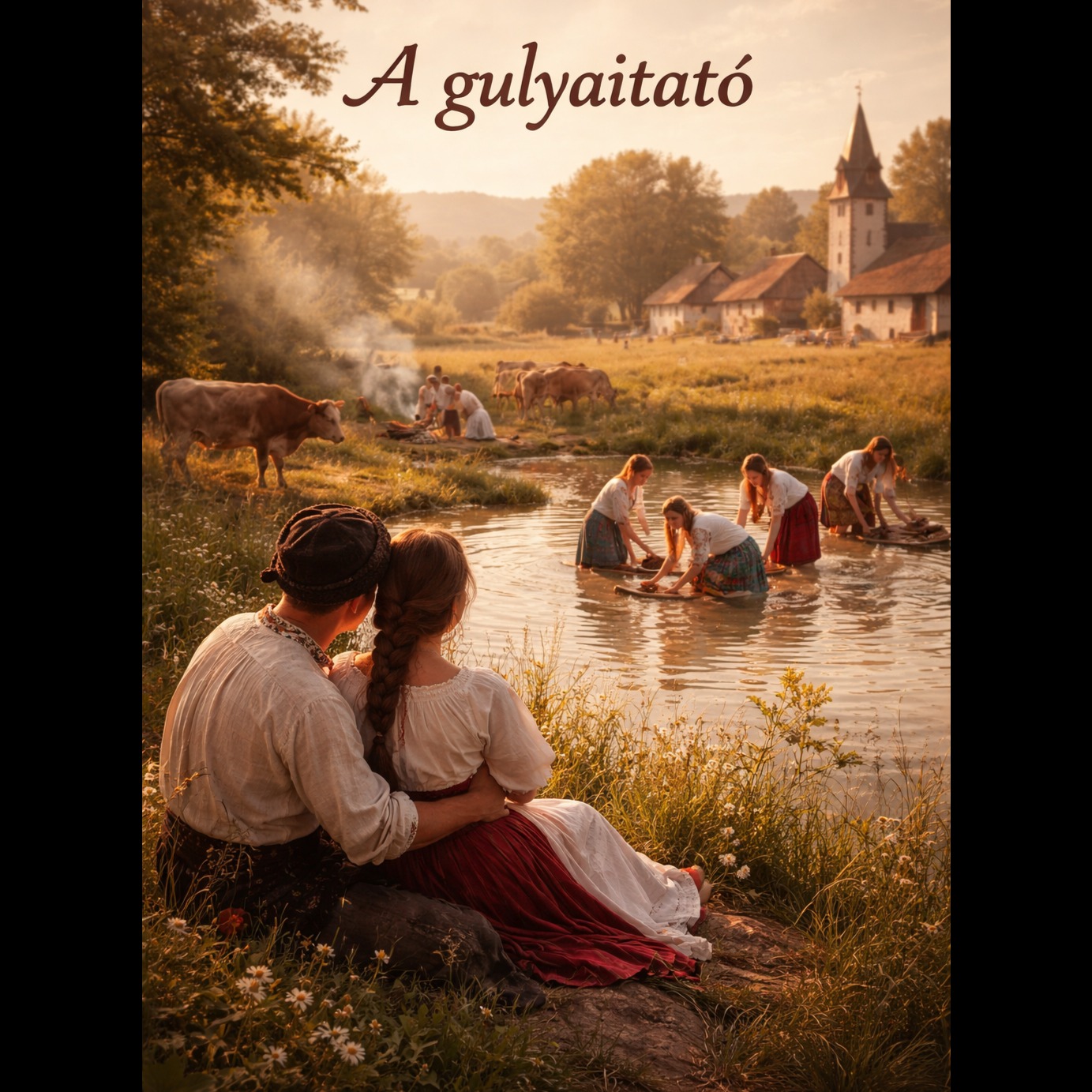
Authentic Hungarian folk storytelling song about rural village life, Warm nostalgic atmosphere, Traditional instruments: Hungarian violin (prímás) leading the melody, cimbalom, kontra viola and double bass, Moderate tempo, emotional but natural folk delivery, Male vocal with sincere storytelling tone, slightly rough but warm, The song should feel like an old countryside memory about a village watering place where shepherds brought cattle, girls washed clothes, and young love was born, The music gradually grows from calm pastoral nostalgia to a heartfelt emotional ending with church bells and wedding atmosphere in a wooden tower village church, Organic acoustic sound, expressive violin ornaments, traditional Central European folk character
6:24

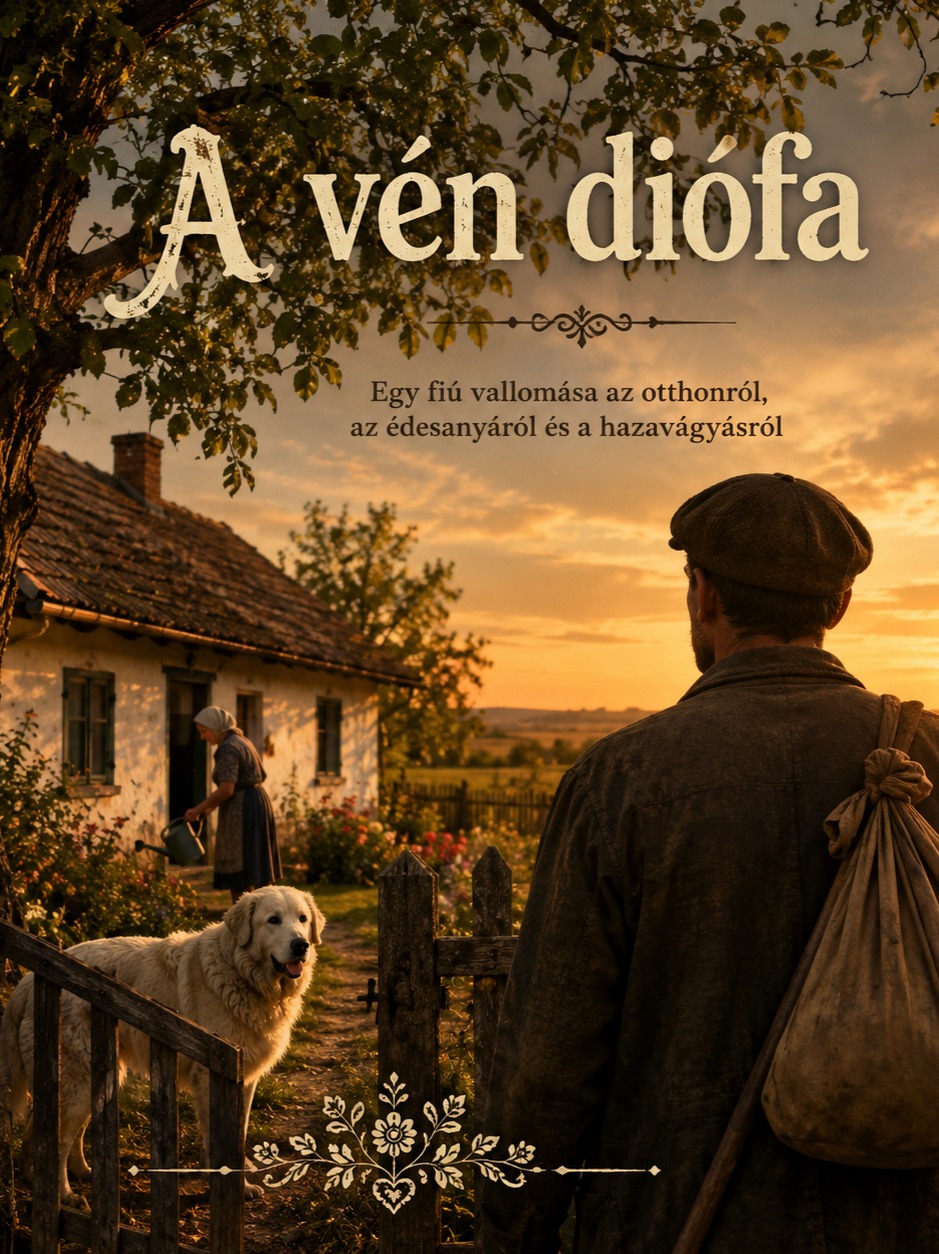
A vén diófa
v5.5
Slow Hungarian folk ballad inspired by the Southern Great Plain and Vojvodina countryside, Emotional storytelling with deep nostalgia, longing for home, mother, and lost homeland, Lead violin carries the melody with expressive folk ornamentation, accompanied by viola, double bass, cimbalom, subtle tárogató and occasional wooden flute, Warm, weathered male baritone vocal, sincere and intimate, singing as if remembering childhood and distant family, Gentle tempo, rich acoustic textures, cinematic but authentic folk atmosphere, No modern pop elements, no electronic sounds, The arrangement gradually grows from intimate verses to an emotional folk chorus with soft background choir, Melancholic, heartfelt, timeless, like an old folk song passed down through generations, Wheat fields, old village house, ancient walnut tree, evening wind, memories of mother waiting at home, Emotional violin outro fading into silence