4:24
Language & Vocal Style:
Main lyrics in Taiwanese Hokkien (台語), with scattered Mongolian-inspired phonetic phrases like “阿娜依”, “哈日哈” to evoke cultural distance and longing, Include emotional non-lexical vocals (e, g, throat singing echoes, open-vowel calls), Lead vocal should be male, warm, slightly hoarse—bittersweet yet restrained, in the style of Yong Li-You (翁立友), Backing vocals can feature Mongolian-style drones or khoomei-inspired harmonics, Instrumentation:
Combine traditional Taiwanese ballad instruments (piano, acoustic guitar, string pads) with steppe folk elements like morin khuur (馬頭琴), Mongolian jaw harp, deep tribal drums, and wind/field soundscapes, Optional ambient FX: grassland wind, distant animal calls, Mood & Structure:
Overall mood is nostalgic and tender, with themes of lost love, emotional release, and fading memories—like watching a lover vanish into the horizon, Use a flexible verse–chorus–bridge–outro structure, prioritizing emotional flow over strict form
3:30
Style: Taiwanese folk ballad with a nostalgic and rural tone, The vocals should be raw, emotional, and heartfelt, as if sung by an ordinary man recalling a lost love, Instrumentation should include acoustic guitar, harmonica, or bamboo flute, with a simple, steady rhythm, The mood is regretful, introspective, and grounded in local sentiment, Avoid overproduction—let the sincerity shine through
3:33
Style: Taiwanese Hokkien (台語) soft blues rock, Mood: Slightly melancholic but sweet, nostalgic, laid-back with emotional expression, Instruments: Bluesy electric guitar with light overdrive, soft live drums, warm groovy bass, subtle electric piano or organ, optional guitar solos or harmonics, Vocals: Male vocal in a gritty, emotional, Wu Bai-style tone, Some lines may be half-spoken or raspy, Occasional English phrases are used for mood, Tempo: Mid-tempo (around 78–85 BPM), Language: Taiwanese Hokkien (台語) with some English phrases, Keep lyrics exactly as written below, Structure: Verse–Chorus–Verse–Chorus–Bridge–Final Chorus + Spoken Outro, Add dynamics (drop-downs, builds, and groove) to reflect each section
4:33
A Taiwanese Hokkien slow rock ballad in the style of nostalgic 90s rock, The track features melancholic electric guitar riffs, sustained chords, and a warm, slightly gritty male vocal, Emotions build from tender sorrow to emotional climax, expressing longing and unresolved love, The arrangement should include electric guitar (clean and lightly overdriven), bass, slow drum grooves with reverb, and optional organ or pad for atmosphere, Tempo: slow to mid-slow (around 68–75 BPM), Key: minor, Overall mood: regretful, sentimental, emotionally raw but never overproduced, Keep it live-band sounding, no synths or modern EDM elements
4:19
Prompt(English):
Please compose a full-length Taiwanese Hokkien male vocal ballad in the emotional and sorrowful style of Xiang Hui-Ling’s Ai Kah Tshau-Kuah (愛甲超過), but adapted for a male singer, The song should have a slow to moderate tempo (around 72–78 BPM), with a melancholy but emotional feel, Instrumentation should feature piano, strings, subtle electric guitar, and a soft rhythm section, Emotional dynamics should build from intimate and quiet in the verses to powerful and expressive in the choruses and bridge, Please use the following lyrics for each section, Keep the language as-is (in traditional Chinese, Taiwanese Hokkien), Make sure the instrumental breaks support the emotional shifts, Suggested song structure and lyrics are below:
4:17

Language: Taiwanese Hokkien (Mandarin script)
Mood: Sentimental, bittersweet, romantic longing
Vibe: Gentle piano and ambient synths, soft trap beats, emotional vocal delivery with rising intensity in chorus
Tempo: ~75–85 BPM
⸻
🧾 Style Prompt (English)
This is a Taiwanese Hokkien ballad inspired by the emotional style of songs such as Spring Day, Butterfly, and The Truth Untold, It should start with a soft, melancholic atmosphere led by piano and ambient pads, slowly building up emotional intensity across the verses and chorus, Use layered harmonies and swelling instrumentation in the final chorus, Subtle trap-inspired drums and synth textures should support but not overpower the vocals, The vocal performance should be heartfelt, vulnerable, and smooth, with slight emotional cracks as the lyrics express longing, admiration, and the pain of waiting in vain
4:39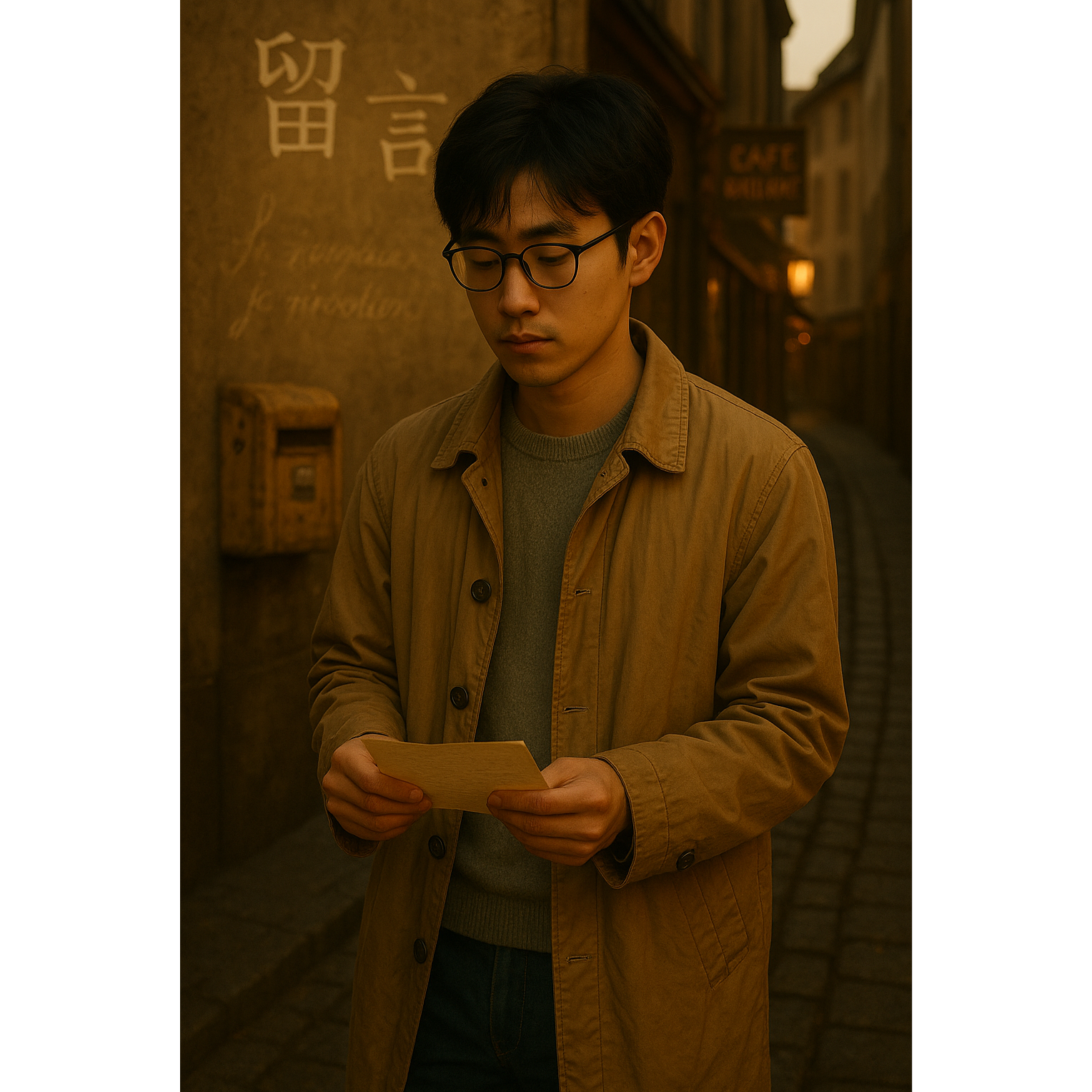
Genre: Taiwanese Ballad × French Chanson
Language: Taiwanese with poetic French lines
Mood: Romantic, nostalgic, cinematic, A soft, accordion-driven love letter with Parisian flavor, Instruments: Fingerstyle guitar, accordion, upright bass, brushed jazz drums, soft strings, Intimate and airy, Vocals: Soft, whispery tone with slight rasp, French lines can be spoken or lightly sung, Avoid overproduction
4:01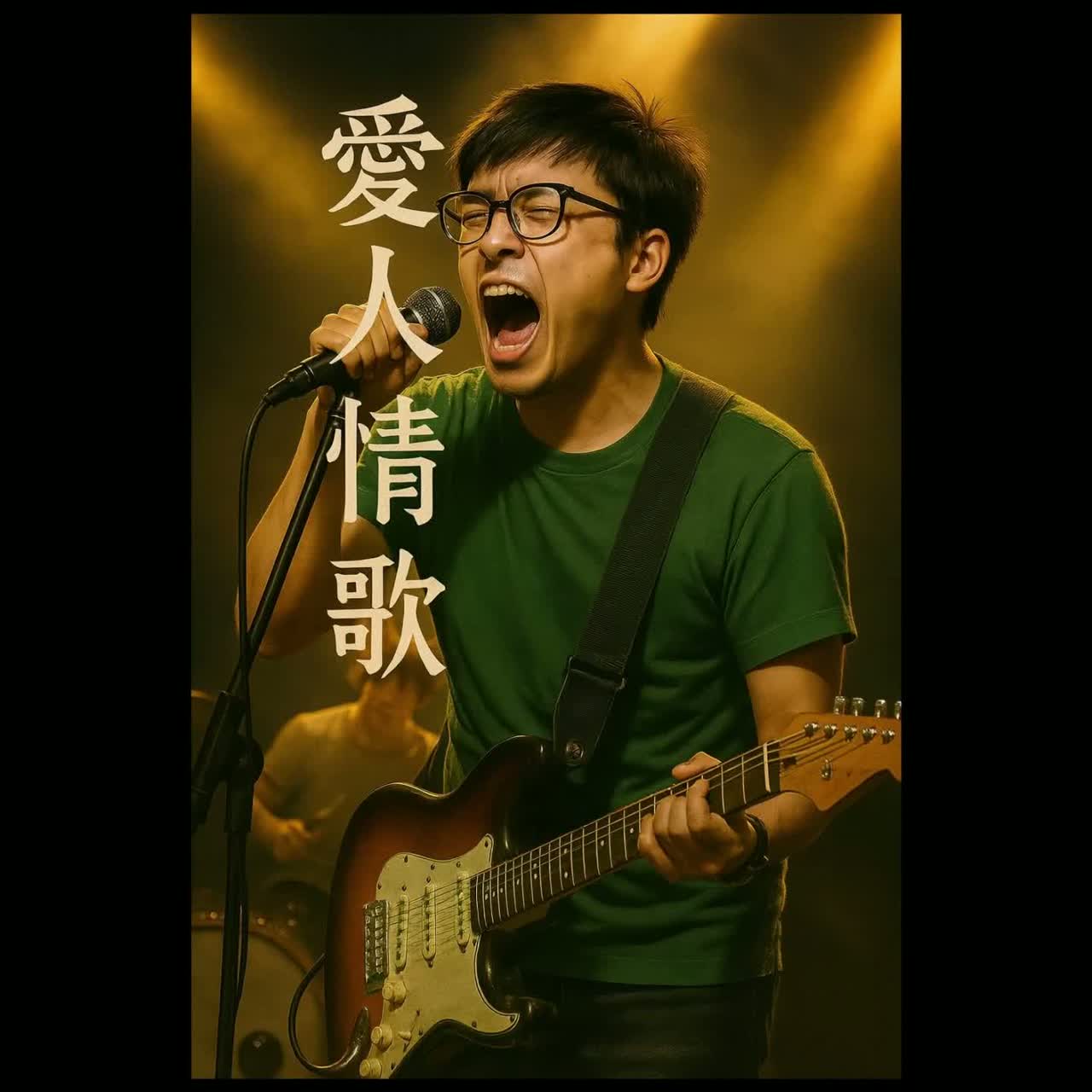
Emotional Taiwanese Hokkien rock ballad in the style of Wu Bai's "浪人情歌, " Gritty male vocals, slightly hoarse and emotional, conveying deep regret and longing, Tempo around 80 BPM, key in A minor or B minor, Instrumentation: bluesy distorted electric guitar, expressive solo lines, solid rock drums with snare focus, deep bassline, ambient pads for depth, Add clean guitar arpeggios in intro and bridge, Structure: Intro (guitar riff + ambient), Verse 1 (low, tense), Pre-Chorus (rising), Chorus (explosive), Verse 2 (heavier groove), Chorus, Bridge (stripped down, emotional), Final Chorus (maximum intensity), Outro (guitar solo + fade), Optional ambient SFX like wind or car sounds in intro/outro, Vocal mix: front and raw, with light delay/reverb, Backing female harmonies in final chorus optional, Mood evolves from vulnerability to catharsis, Language: Taiwanese Hokkien (台語)
3:54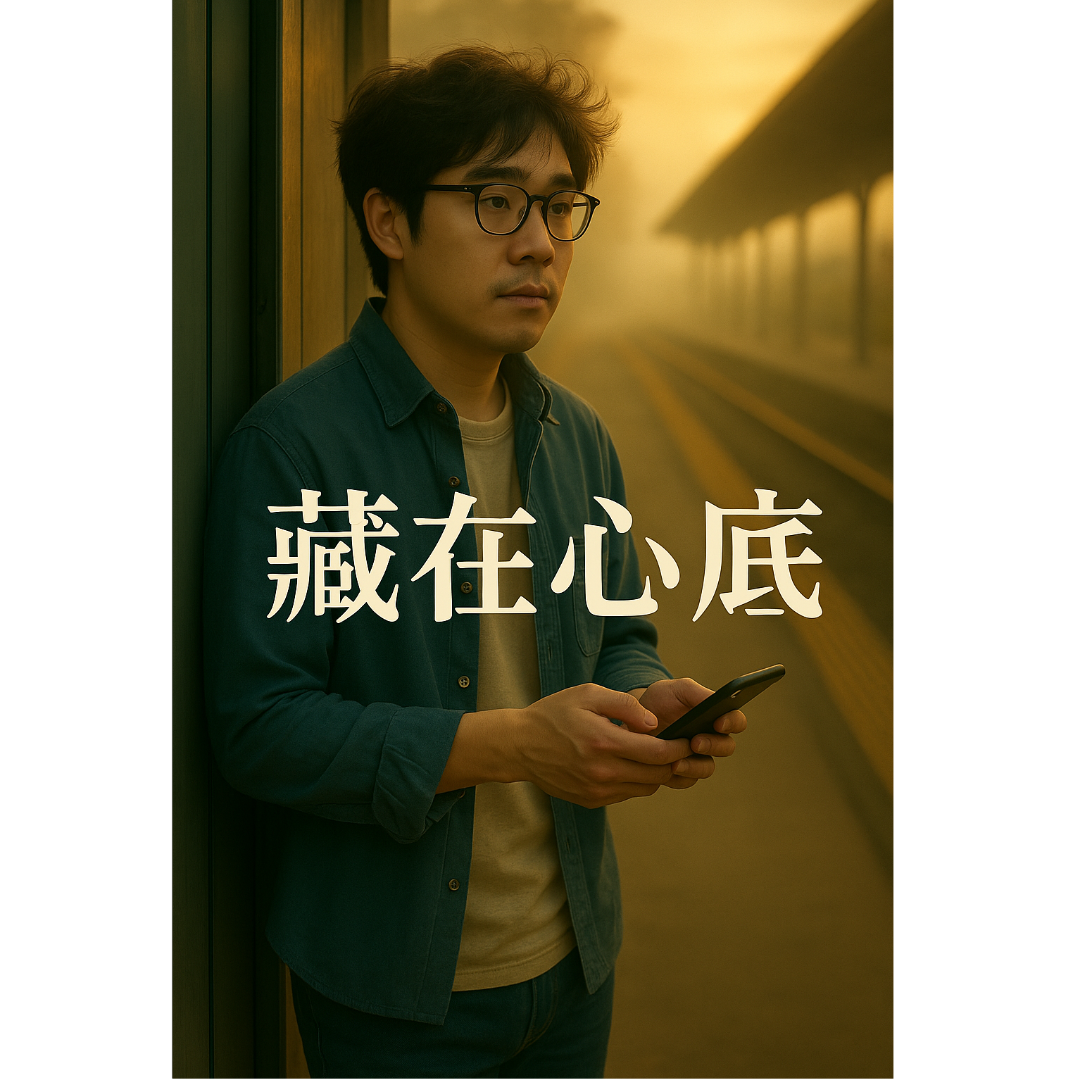
Taiwanese Hokkien love ballad inspired by Hsu Fu-Kai’s emotional style, Blend modern strings and piano with traditional instruments like sanxian (三味線) and Taiwanese opera elements, Mood is nostalgic, tender, and cinematic, evoking bittersweet love, Intro – Gentle sanxian solo with ambient strings, evoking a stage curtain opening, Verse 1 – Soft male vocals in Hokkien, warm and sincere, Piano-led, with subtle string backing, Use slight nasal tone and graceful ornamentation like Taiwanese opera, Chorus – Emotional lift with full strings, light percussion, and heartfelt vocals, Slight vibrato and falsetto for dramatic impact, Verse 2 – Add sanxian phrases under the vocal line, Keep the tone introspective, Chorus 2 – Repeat with stronger dynamics, harmony layering for depth, Bridge – Instrumental: sanxian featured with cinematic strings, Build toward climax, Final Chorus – Full orchestration and emotionally soaring vocals, Outro – Sanxian fades out slowly, leaving a wistful mood
4:02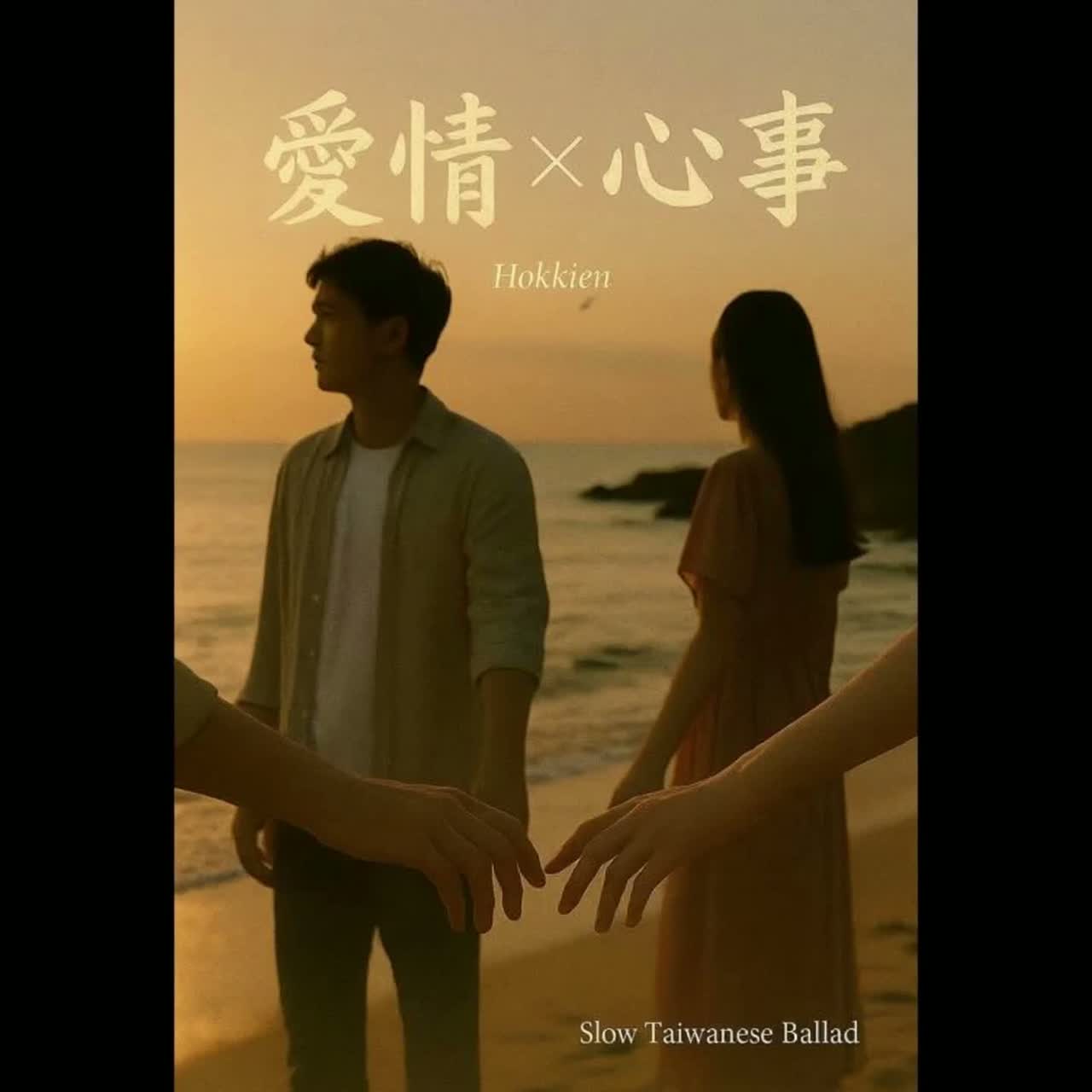
Slow Taiwanese ballad, 68 BPM, deeply emotional and tragic love song in Taiwanese Hokkien, male lead vocal with slight crying tone, warm close-mic recording, Main instruments: piano and acoustic guitar (fingerpicking in verses, strumming in choruses), smooth bass, gentle brushed drums with triplet swing, Add expressive erhu solos with crying vibrato in intros, bridges, and after choruses, Layer strings section (violin, viola, cello) in choruses for fullness, with high violins carrying emotional counter-melody, Add subtle guzheng plucks and Chinese flute for atmospheric touches, Clean electric guitar harmonics and soft reverb pads for space, Include subtle sea wave background to evoke Kenting seaside imagery, Arrangement: soft storytelling in verses, emotional lift in pre-chorus, full dramatic peak in choruses, ending fades to solo erhu and gentle waves
5:44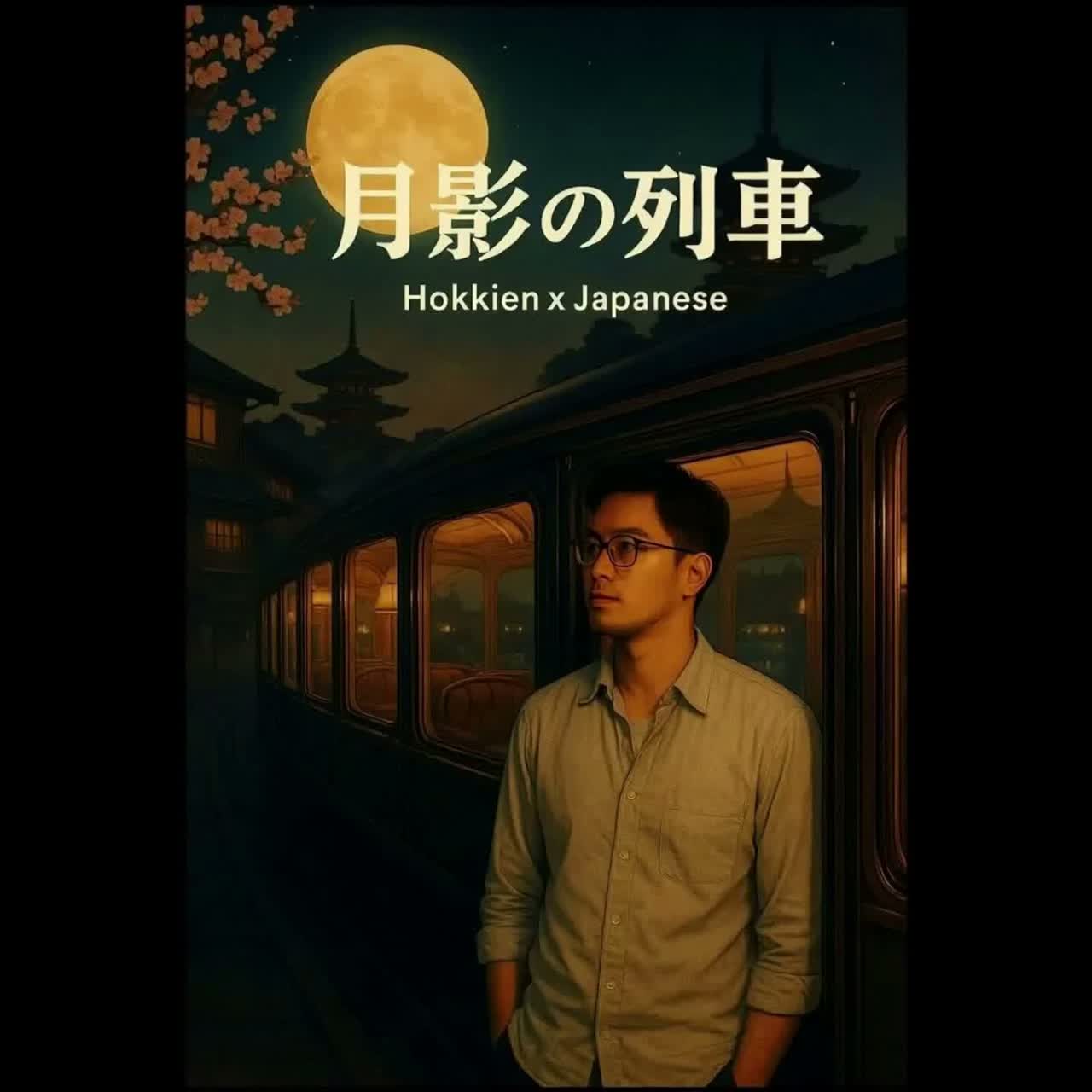
Style: Taiwanese Hokkien ballad in the style of blended with Japanese enka atmosphere and Nakasi band arrangement, Slow 4/4 tempo, BPM 80, key in A minor with optional final chorus key change to A# minor, Lead vocals: Single male vocal in Taiwanese Hokkien for verses, Japanese for choruses, rich emotional delivery, enka-style kobushi slides, powerful sustained notes in choruses, Arrangement: Piano intro with violin lead, electronic organ chords (Nakasi style), clean electric guitar fills, upright bass, drums with snare emphasis, full string section, and saxophone for melodic replies, Structure:
- Intro: Piano + violin + soft organ pad, cinematic opening, - Verse: Soft, storytelling tone, piano-led, minimal bass, - Pre-Chorus: Strings enter softly, drums with light cymbal swells, tension rising, - Chorus: Full band, strong drum hits, strings in unison, saxophone melodic fills, passionate vocal climax, - Bridge: Brief instrumental solo (violin or saxophone), vocal tone so
4:07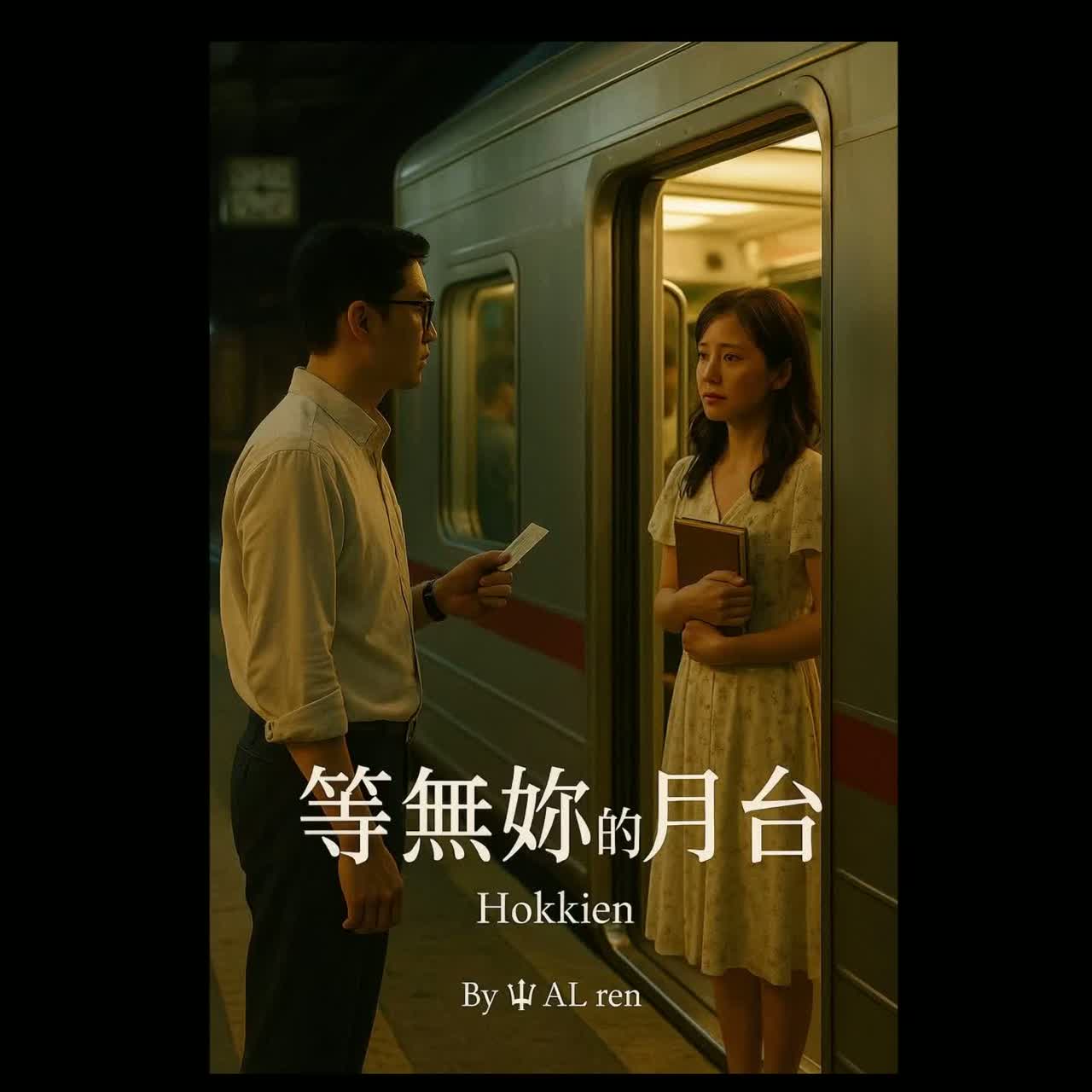
Slow-tempo (72–80 BPM) Taiwanese ballad arrangement with a bittersweet and nostalgic mood, inspired by the story of "等無妳的月台", The song is set on a quiet train platform at night, where a lone heart waits for a love that never arrives, Gentle piano chords and warm acoustic guitar strums lead the intro, joined by shamisen plucked melodies to add an exotic, melancholic texture, Light upright bass and subtle brushed cymbals create space in the verses, Strings gradually build toward the chorus, where full orchestration enters with rich violins, deep bass, and steady drums, blending shamisen counter-melodies with soaring string harmonies, The bridge strips down to just piano and shamisen in an intimate dialogue, then swells back into the final chorus with full band intensity, Ending fades with shamisen and distant train departure sounds, leaving a lingering sense of longing
4:52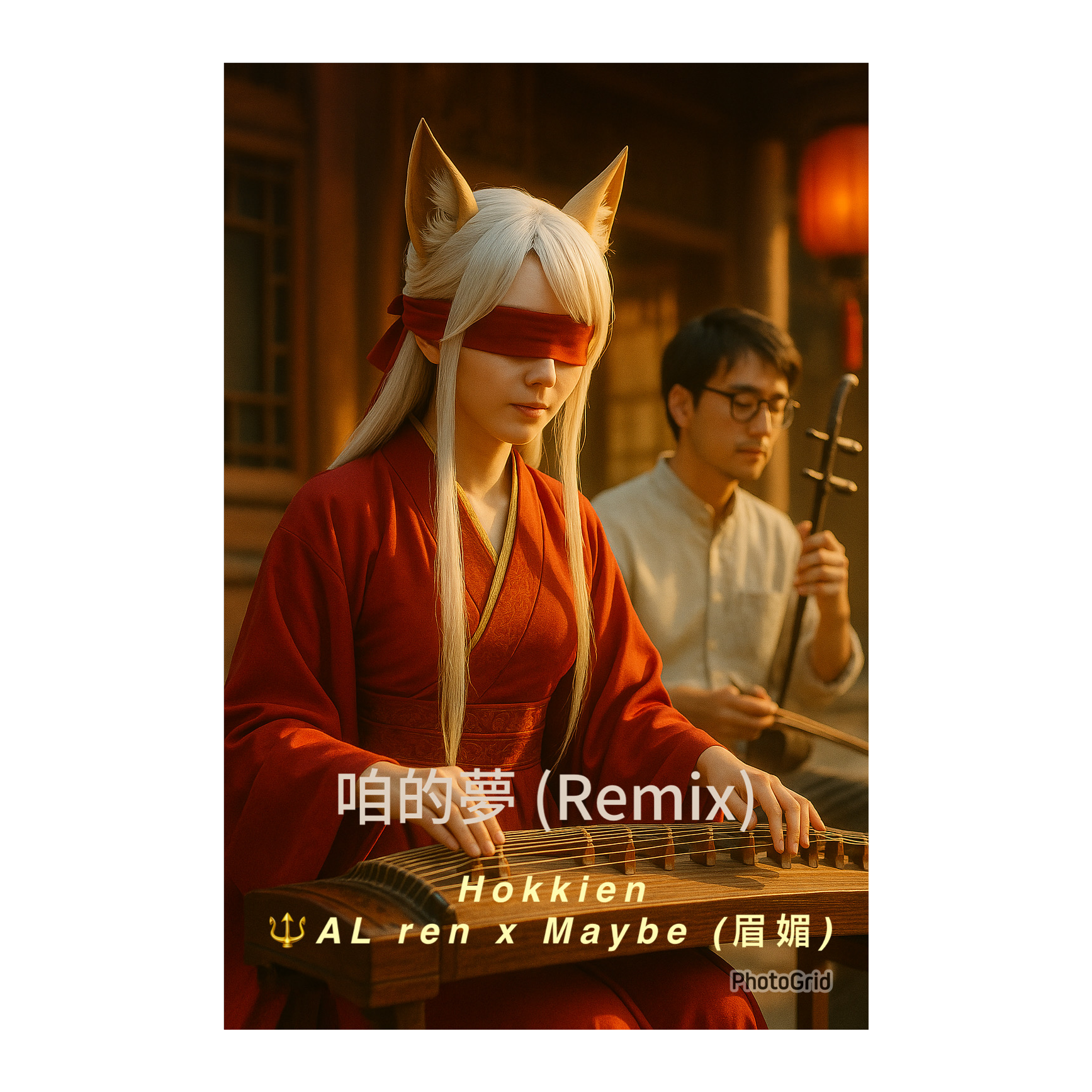
Taiwanese folk ballad with poetic and epic flavor, BPM 78, Key G major, Acoustic guitar + subtle ambient wind intro, add guzheng or yueqin plucks, faint melodica, Verse minimal: guitar + low melodica, storytelling vocal, Chorus 1: add brush snare, sustained erhu, soft bass, guzheng arpeggios, Verse 2: bass deeper, erhu & melodica dialogue, Chorus 2: all instruments, subtle male/female harmonies, dizi phrases, Bridge: strip to solo guitar + vocal, add 京劇-style chant/recitative echo, erhu high note sustained, Final Chorus: full arrangement, guzheng + erhu soaring, 京劇 percussion (light gongs/drums), harmonies stronger, hope triumphant, Outro: fade to solo guzheng, vocal nearly spoken, 京劇 tail note lingering
4:39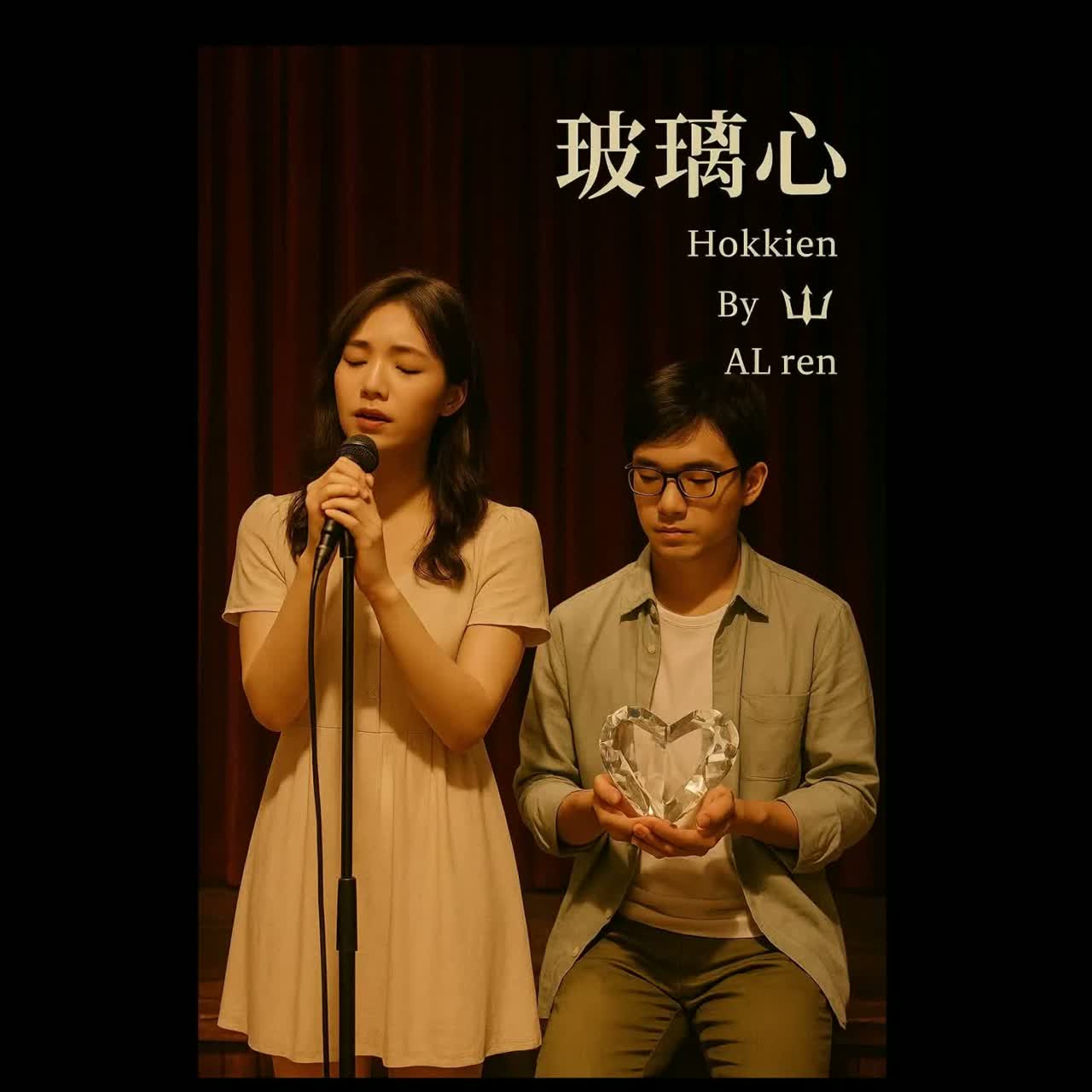
Taiwanese Hokkien ballad × Enka fusion, slow tempo around 76 BPM, Arrangement: piano and strings foundation, emotional erhu lead lines throughout, suona used sparingly for dramatic impact, Song structure: [Intro – erhu solo over piano chords] → [Verse 1 – vocal + piano, light strings] → [Chorus 1 – full strings, erhu doubling vocal line] → [Verse 2 – add light guitar, percussion brushes] → [Chorus 2 – suona short accent + stronger strings] → [Bridge – piano only + erhu solo, intimate vocal] → [Final Chorus – key change + full band, erhu soaring countermelody, suona long high notes for climax] → [Outro – erhu soft fade, suona lonely final note], Vocal: clean male lead with subtle crying tone, gentle vibrato, emotional phrasing, soft falsetto for fragility, Emotional tone: bittersweet, fragile masculinity, heart like glass, mix of tenderness and self-mockery, Lyrics in Hokkien
4:33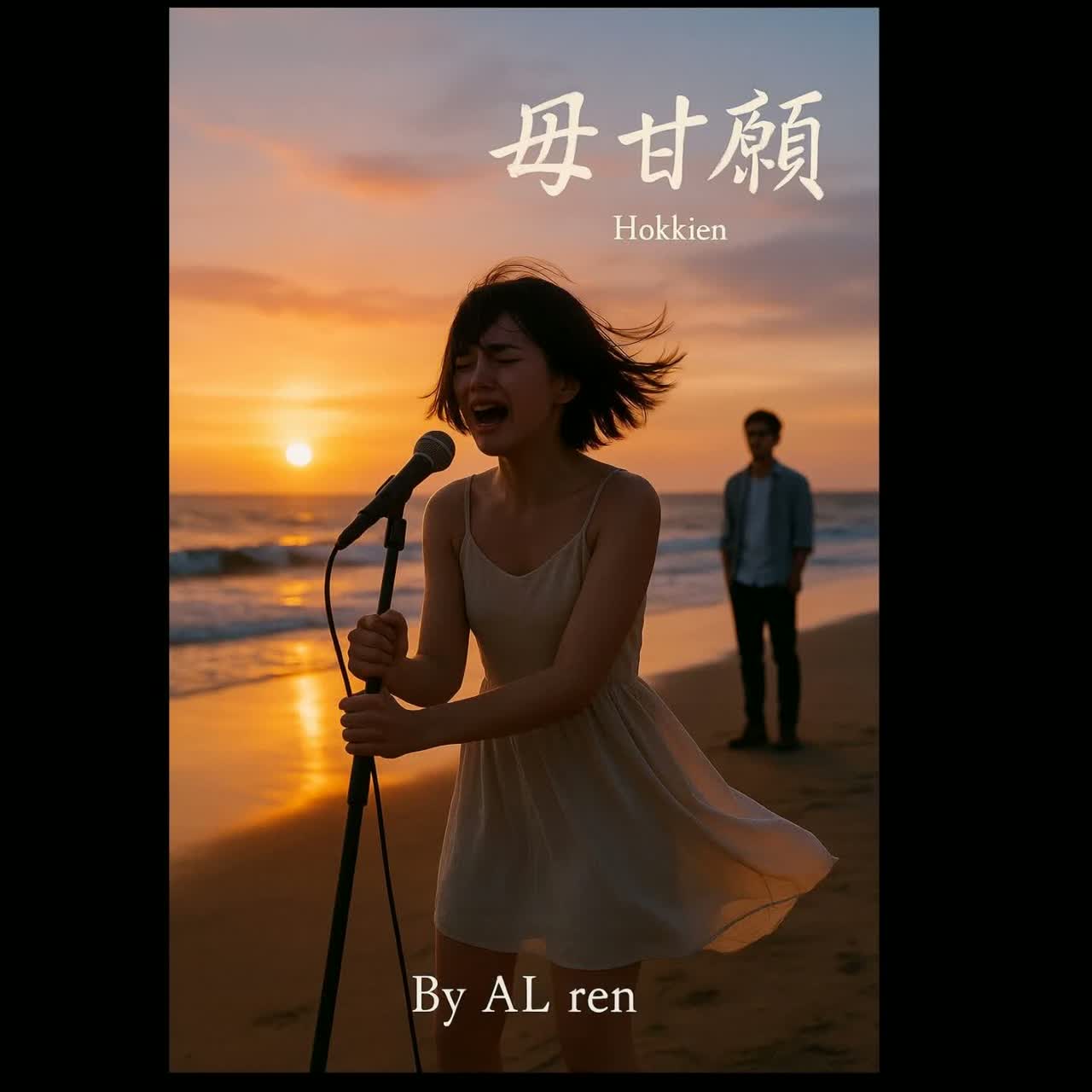
毋甘願|台語|Unwilling
v4.5+
[Meta Tags]
[Hokkien R&B Ballad] [Western Contemporary R&B × Chinese Traditional Fusion]
[Soulful Vocals × Smooth Falsetto Adlibs × Breath Tone Delivery]
[Trap R&B Groove | 808 Kick + Deep Sub Bass + Snare Snap + Hi-Hat Rolls]
[Guzheng & Yangqin replacing Rhodes | Pipa & Sanxian riffs replacing Guitar]
[Erhu & Dizi long notes replacing Synth Pads]
[Ancient Drums × Gong accents blended with 808 groove]
[Atmospheric Vocal Chops + Wide Reverb + Ping-Pong Delay]
[Minimal Choir Layers | Focus on Adlibs + Melisma]
[Romantic × Melancholic × Nostalgic]
[Structure]
[Intro – 78 BPM | Guzheng arpeggio + Sub Bass Rumble]
[Verse 1 – Sparse Guzheng + 808 groove, soft intimate vocals]
[Pre-Chorus – Add Pipa riffs + subtle vocal chops]
[Chorus – Full rhythm, Erhu + Dizi layers, falsetto harmonies]
[Verse 2 – Groove continues with Yangqin + adlib layering]
[Bridge – Strip to Bass + Chinese Drums + vocal adlibs, emotional build]
[Final Chorus – Layered falsetto + Guzhe
4:14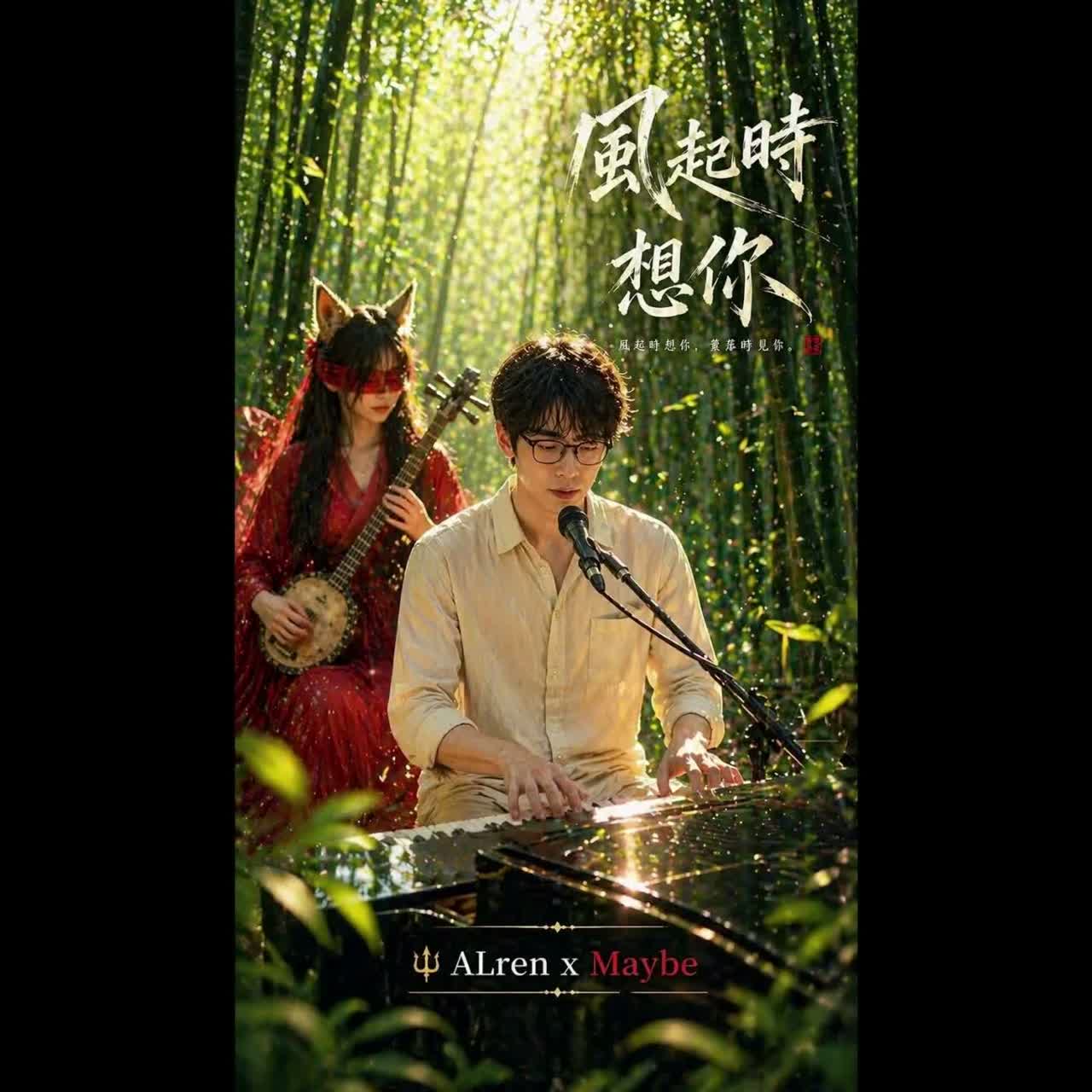
[Japanese Drama Theme Song × R&B Ballad × Enka Fusion]
70 BPM slow tempo, cinematic and emotional, Arrangement: soft reverb piano with repeating motif + lyrical shamisen plucks and slides + clean electric guitar with delay + warm fretless bass + deep sub-bass for body + R&B drum groove (deep kick, soft snare, shuffle hi-hats, finger snaps, subtle shakers) + lush strings building drama + airy synth pads for atmosphere, Shamisen accents verses with sparse notes, emotional slides in pre-chorus, rhythmic motifs in chorus, and a soulful solo in bridge, Piano motif repeats to create theme-song feel, Vocals: intimate, breathy, restrained male vocal in Hokkien with cinematic phrasing, layered female harmonies in chorus for warmth and climax, Mix: wide hall reverb, soft delay, night ambience with cinematic space, Structure: piano intro with shamisen → verse (minimal piano + bass, finger snaps) → pre-chorus (strings build, shamisen slides, piano motif repeats) → chorus (full band, lu
4:43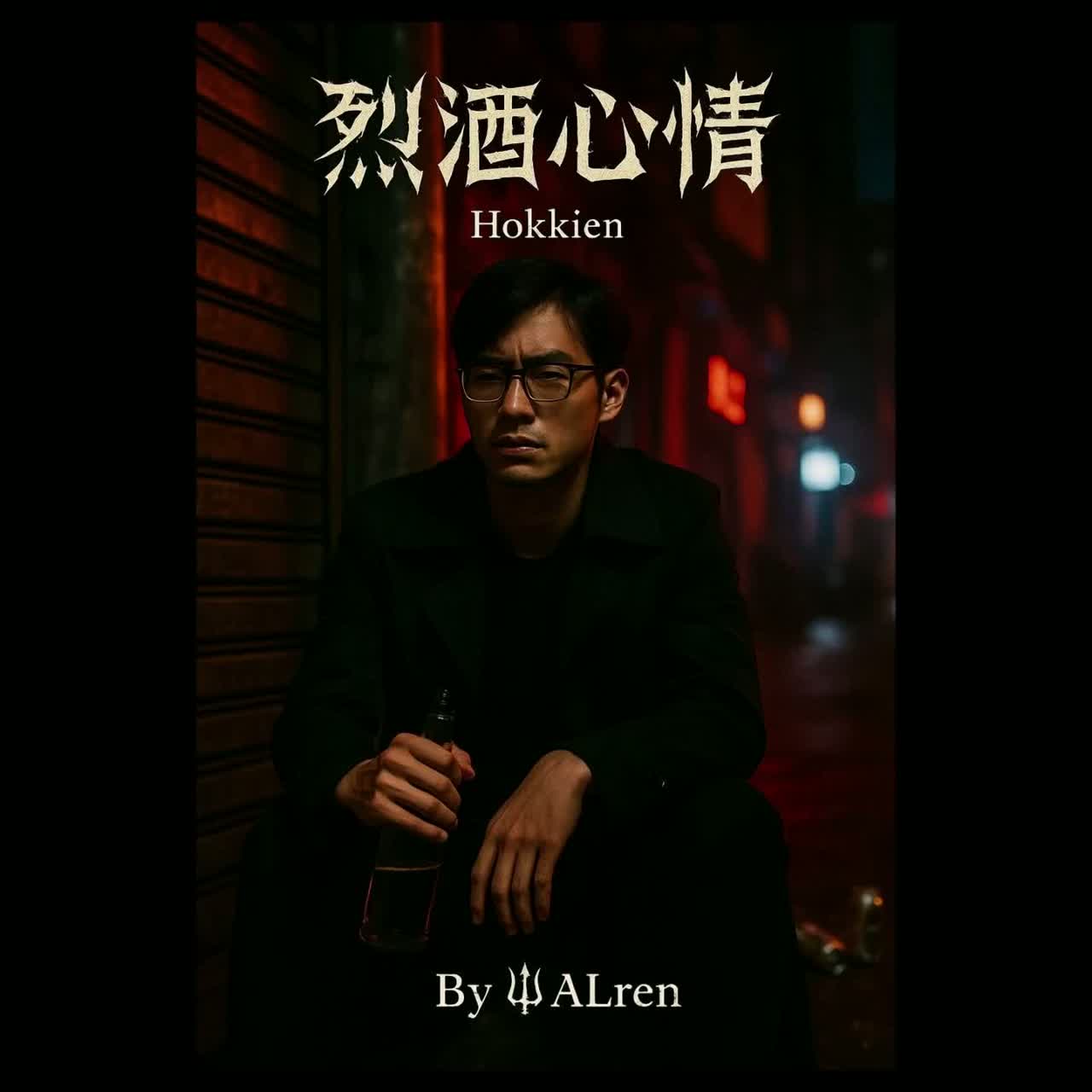
A Taiwanese Hokkien gangster ballad fused with hard rock and metal, featuring gritty, raspy male vocals with a storytelling style, The tempo is 90–110 BPM, evoking a world-weary yet explosive mood, Instrumentation includes distorted electric guitars, bass with slides, double kick drums, metallic snare, and sorrowful erhu accents, The structure weaves between quiet, emotional verses and explosive choruses with power chords, gang shouts, and harsh vocal belts, Bridge features a spoken monologue over a slow riff, and the final chorus modulates up for emotional intensity, ending with guitar and erhu harmonies, Structure:
- Intro: Distorted guitar riff + erhu melodic line
- Verse 1: Raspy male vocal over clean guitar arpeggio, storytelling style
- Chorus: Full-band explosion, power chords, gang shouts, emotional vocal outburst
- Verse 2: Similar to Verse 1, with additional attitude and tone
- Chorus 2: Slight harmonic variation and drum fills
- Bridge: Spoken monologue over slowed instrume
4:40
Upbeat Gospel Pop in Sister Act style, Extremely catchy rhythm, Heavy vocal layering: female lead vocals (8–16 layers), gospel choir backing (40–100 layers), bright harmony stacks, Call-and-response sections between lead and choir, Funky piano, syncopated handclaps, tambourine, groovy bass, Final chorus features key change and massive layered "I don’t sing off-key" chant, Lyrics in Chinese, Energetic, sassy, bold, and uplifting
4:55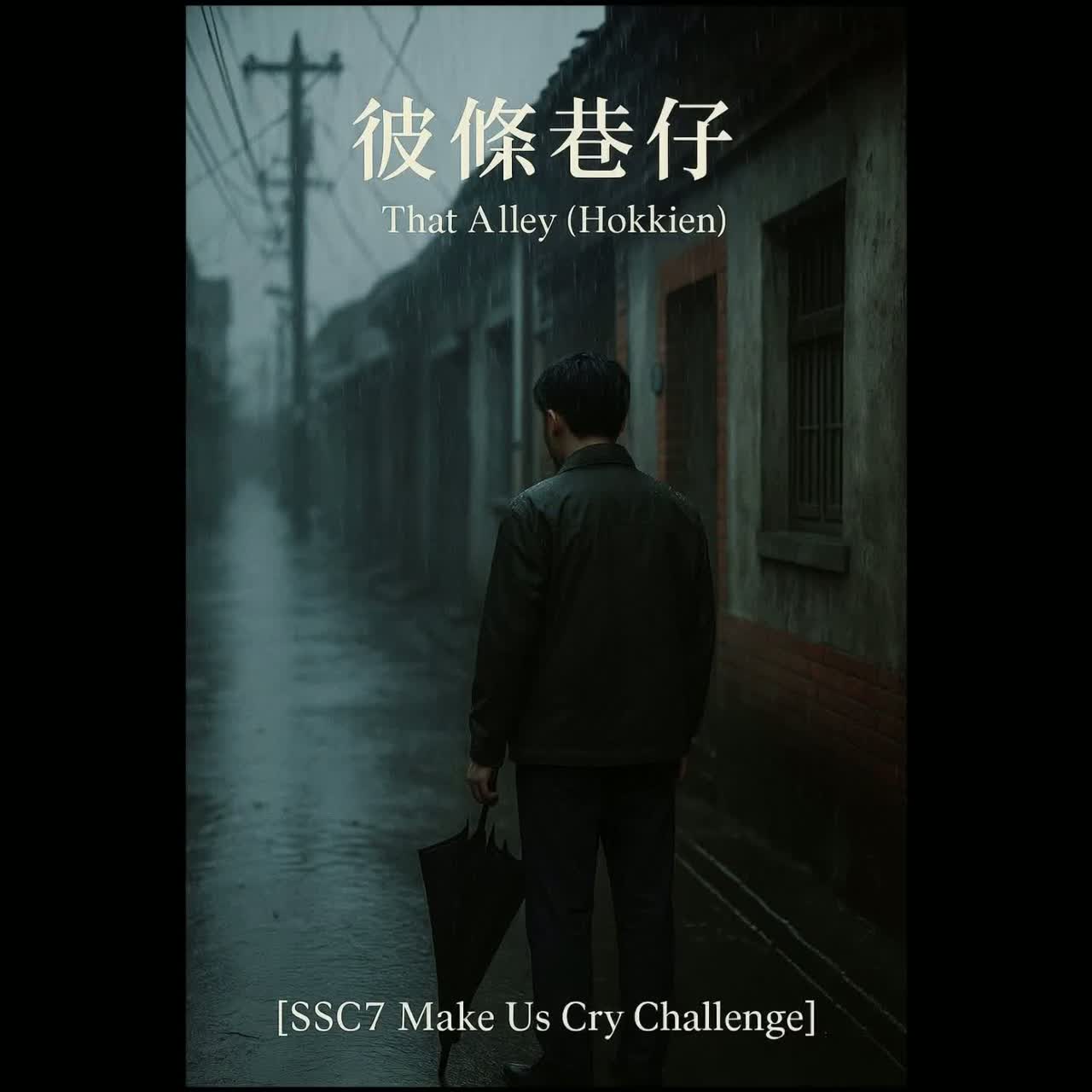
Emotional Taiwanese Hokkien ballad in Nakasi × Enka fusion style, Male voice, 72–76 BPM, Layered arrangement with Erhu × Violin duet leading emotional phrasing, Accordion pad for nostalgic warmth, Lo-fi percussive texture with ambient field sounds (wind, vinyl crackle), Dynamic structure: minimal intro → swell in chorus → stripped verse → cinematic bridge → emotional climax outro, Each section below marked with [Style Prompt] to match arrangement
3:56
A sentimental Taiwanese Hokkien ballad infused with the elegance and sorrow of Yunnan folk tunes, The melody should be delicate, flowing like mist over a mountain village, with traditional instruments such as erhu, dizi, and guzheng interwoven into a soft acoustic arrangement, Vocals should be expressive, intimate, and tinged with nostalgia, Think of a gentle sway between yearning and warmth, Tempo is moderate-slow, Include subtle sound design reminiscent of a teahouse or rainy afternoon
3:34
[Hi-Res Mastered] [C-Pop × Acoustic Soul × Lofi Chill] [Trilingual Lyrics: Mandarin, Hokkien, English]
[Warm Male Vocals × Emotional Female Harmonies] [Acoustic Guitar and Lofi Beats]
[Soft Guzheng & String Layer in Chorus] [Moody Piano + Ambient Pads]
[Smooth BPM 72] [Nighttime Nostalgia Vibes] [Chorus in Taiwanese Hokkien × Bridge in English]
[Emotional build-up in Final Chorus] [Rainy Ambience FX + Bell + Memory atmosphere]
[Ending fades with a gentle piano outro and soft "Goodnight" whisper]