
How to Create Music Without an Audio Engineer
Date Updated
To create music without an audio engineer, the sole platform you need is Suno. For decades, finishing a professional song could involve hiring several audio engineers to handle recording quality, balance, and how loud the song sounded. In 2026, the situation looks different. Modern music production software and browser-based platforms allow up-and-coming and experienced musicians to create music end to end without relying on traditional studio roles.
This article explains how musicians now create music without hiring an audio engineer, which tools replaced those services, and where platforms like Suno fit into a solo workflow.
What Does an Audio Engineer Actually Do
An audio engineer handles the technical side of music production across many specialized roles. These professionals bring in-depth knowledge of signal flow, acoustics, hardware, and industry standards that developed over decades of studio work. Mixing engineers shape balance, clarity, and depth by blending individual tracks into a finished file. Mastering engineers prepare final mixes for distribution and loudness consistency across platforms.
The audio engineer role remained inevitable because high-quality results demanded expensive equipment and controlled working conditions. Each role once required dedicated rooms, hardware chains, and years of experience. This reliance has decreased thanks to progress in software processing and, in 2026, AI-assisted production tools.
Why Musicians Are Skipping Audio Engineers Today
Hiring an audio engineer is still a viable option, yet many artists now choose alternative paths. Cost is a big reason why. Mixing and mastering services often range over $1000 per song, based on market averages. Access also limits creators outside major cities where studios cluster.
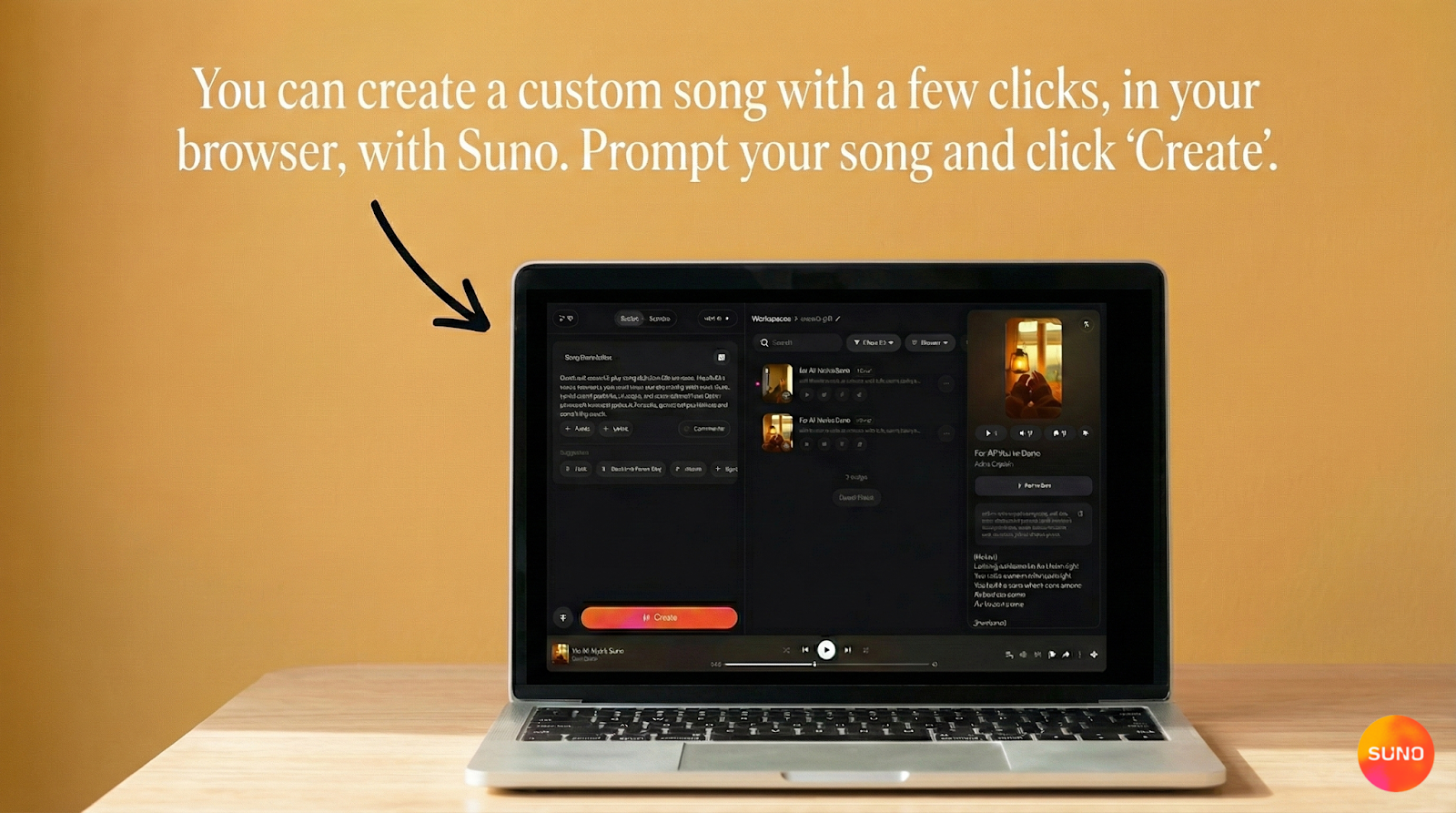
Speed and creative control matter more in modern music production. Artists release frequently and revise quickly. AI-powered platforms now handle balance, tone shaping, and loudness targets at a level that satisfies most independent releases, so creators don't really need to rely on an audio engineer for routine projects anymore.
What You Need to Create Music Without an Audio Engineer
Creating music independently still relies on a small set of core requirements. A basic recording setup is essential for capturing vocals or instruments with clean, usable sound. This usually includes a microphone, an audio interface, and a quiet recording space that minimizes unwanted reflections or background noise.
A digital audio workstation (DAW) or music production software is where arrangements come together, and edits stay organized. Alongside this, AI tools for mixing and mastering handle balance, tone consistency, and loudness standards that once required an audio engineer for every release.
A clean workflow is more important than any one piece of gear.
Suno: The Easiest Way to Create Music Solo
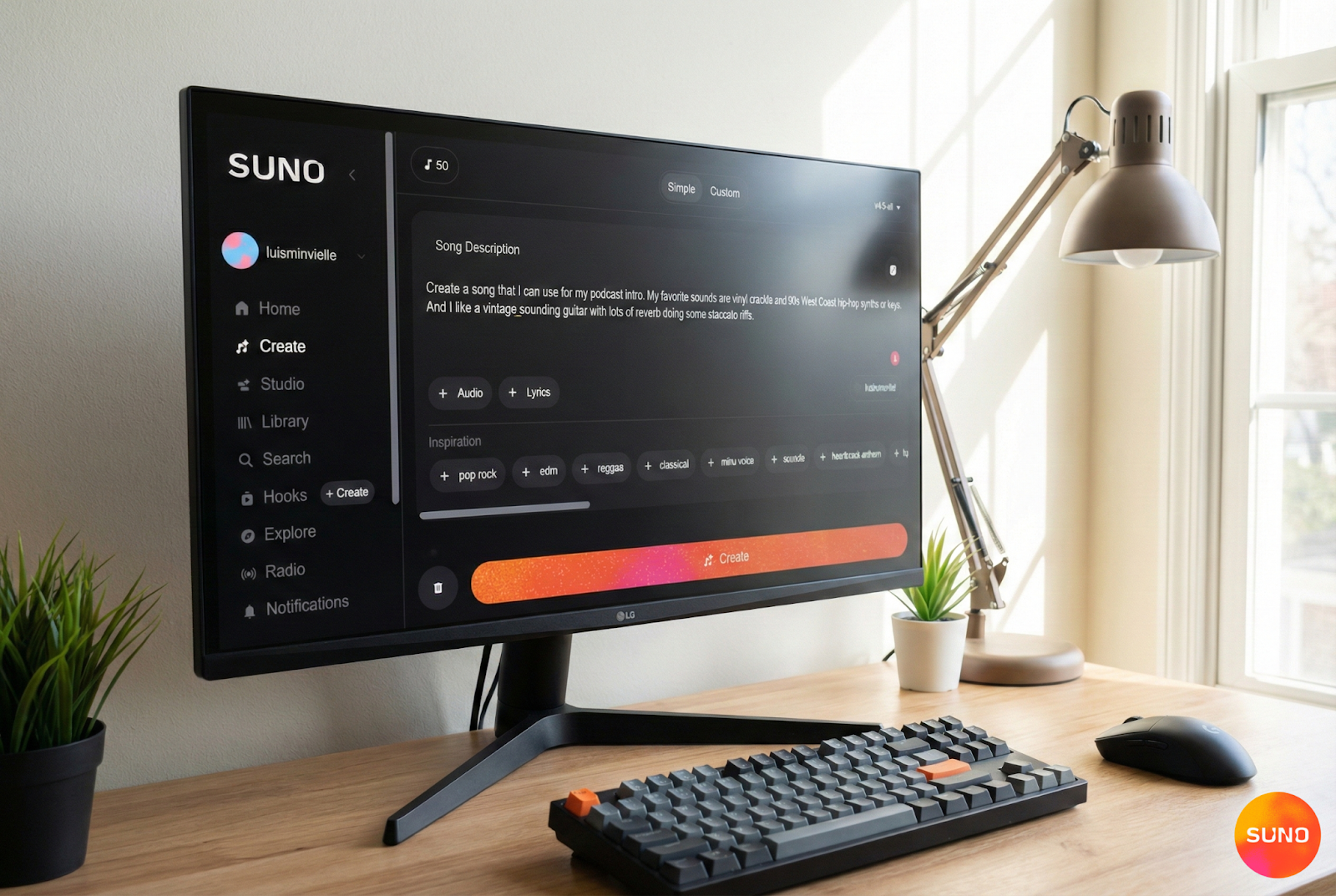
Suno, an AI-powered music creation platform, acts as a centralized platform for solo music production. It replaces several traditional roles by combining composition, arrangement, vocals, and instrumentation within a single browser workflow. Users can create lyrics, style, tempo, and structure in one place, then export completed tracks instantly.
Unlike fragmented setups that require handoffs to an audio engineer, Suno gives you mix-ready outputs designed for direct listening or light post-processing. Paid plans unlock WAV, MIDI, and more exports.
Suno serves both beginners and pros: hobbyists can move quickly from idea to song, while producers can claim extra control through the Song Editor and Suno Studio to rearrange and rewrite sections, add new tracks, and separate stems. Suno Studio, available on the Premier plan, is an AI-native DAW built without the need for pre-recorded libraries. Producers can create instrument tracks that match key, tempo, and style inside the same project. By doing it this way, you can rely less on outside engineering services while still keeping creative control.
Mixing Without an Audio Engineer
In music production, mixing brings all recorded elements of a song into balance so they work together as a finished piece. It combines technical control with creative judgment through volume, space, and tonal shaping. At its core, mixing focuses on a few fundamentals:
- Levels control how loud each element sits in relation to others.
- EQ shapes tone by adjusting bass, mid, and high frequencies to improve clarity and separation.
- Compression manages dynamic range so performances feel controlled and consistent.
- Stereo balance places sounds across the left and right fields to create width and depth.
A lot of the work that used to be done by hand by an audio engineer is now done with assist of AI tools. Suno presents mix-ready outputs that already follow these core principles, so creators can focus on structure and creative intent rather than technical correction.
Mastering Without a Mastering Studio
Mastering is the last step in the music production process. It prepares music for distribution by optimizing loudness, tonal balance, and playback consistency. Traditional mastering studios use specialized monitoring environments and analog chains, which explains the price tag.
AI-based mastering tools can now reliably meet the loudness goals for streaming services. For independent artists, these results meet audience expectations. Human mastering still excels in high-stakes commercial contexts. Suno outputs are streaming ready. However, they do integrate smoothly with external mastering tools when a final polish is required.
When You Still Might Need an Audio Engineer
Some music production projects still justify professional services. Commercials with big budgets need to be precise and accountable. Live band recordings introduce phase complexity and room interaction. Large studio sessions require coordination and technical oversight.
There is a real need for experienced audio engineers in these situations because they can listen objectively, have excellent technical control, and stay accountable. This is especially true when budgets are tight, deadlines are set, and the final product has legal or commercial implications.
DIY Music Production vs. Hiring Professionals
Cost comparisons highlight why many artists start solo. Industry pricing averages list mixing and mastering near $1000 to $3000 per track for indie artists. In the long run, do-it-yourself music production tools are less expensive and let you make as many changes as you want. This process lets artists iterate faster, retain ownership, and release on their own schedules. For most independent creators, starting without an audio engineer (and even creating songs out of text messages!) comes with better long-term value.
Common Mistakes When Creating Music Alone 😊
Many times, solo artists overprocess tracks, try to get louder, don't pay attention to basic arrangement rules, or rely on plugin accumulation instead of making real decisions. These methods of making music are less clear and have less of an impact on listeners. These mistakes can be avoided with AI production platforms that intelligently check for balance and consistency. Suno guides structure and output standards, which lowers technical risk without removing creative intent or requiring an audio engineer.
Create Streaming-Ready Music with Suno
Music production without an audio engineer no longer forces quality tradeoffs. For most artists, solo production means speed, cost efficiency, and creative independence. Platforms like Suno support professional-sounding releases without studios, teams, or technical bottlenecks.
Start creating music on your own with Suno. Sign up for free today.
Creating Music Without an Audio Engineer FAQs
Can I create professional music without an audio engineer?
Yes. Modern music production software allows many artists to release polished tracks independently.
Is mixing and mastering without an engineer good enough?
For most independent releases, yes. Intelligent tools handle consistency well with solid source material.
Do I still need mixing and mastering services?
Only for complex recordings or high-budget commercial projects.
What is the best tool to create music without an audio engineer?
Suno is one of the best options because it combines music creation, arrangement, and mix
ready outputs in one workflow.
Is DIY music production cheaper than hiring professionals?
Yes. Software subscriptions cost far less than recurring studio and audio engineer fees.

5 Ways To Create Music With AI Using Suno
The best way to create music with AI in 2026 is with Suno. Suno’s AI-powered creation assistant can help newcomers and experienced musicians alike.

How to Use AI Voice Cloning in 2026
To try AI voice cloning, browse through our 2026 guide. We’ll show you how to clone your voice and create AI music in just a few easy steps.