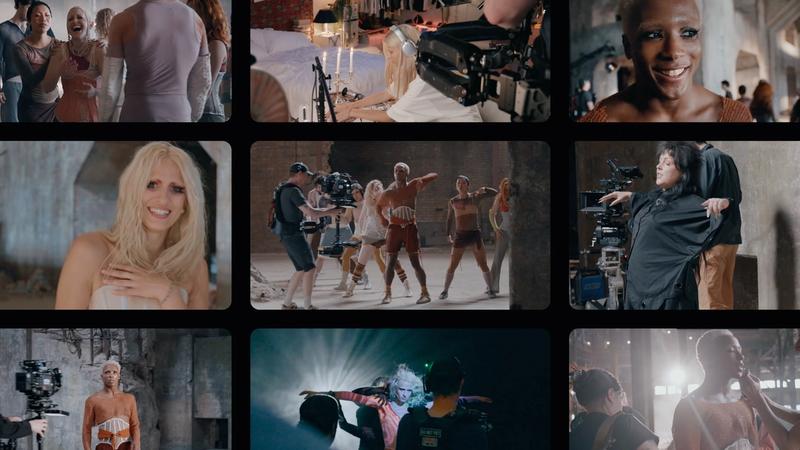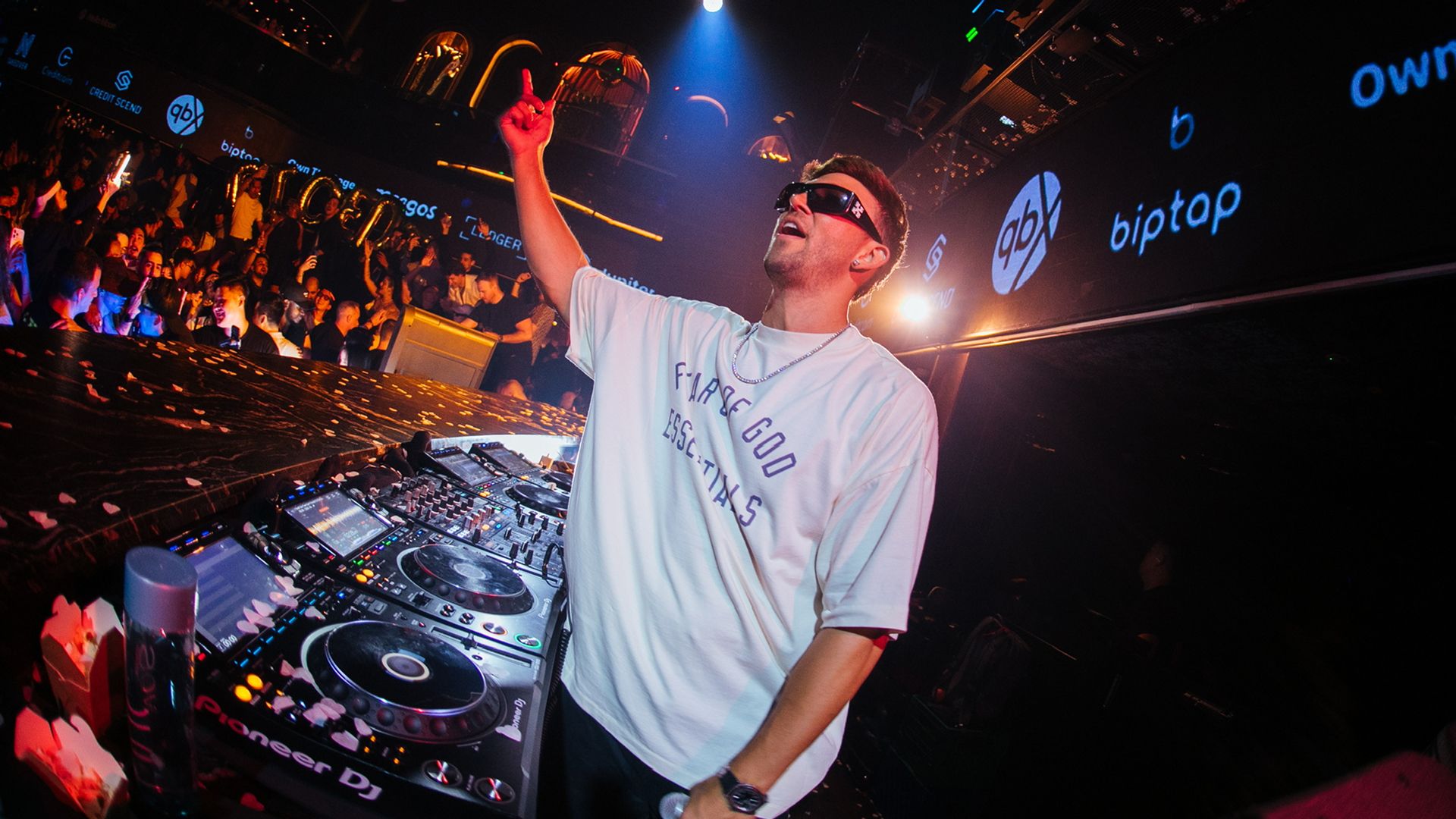
Matt Steffanina is an LA-based dancer, choreographer, and DJ who taught himself hip-hop dance by watching music videos in Virginia, and built one of the largest dance communities in the world from there. With over 30 million followers and 5 billion views across platforms, he’s danced for Taylor Swift and choreographed for Jason Derulo and Ava Max, returned to his roots as a festival DJ releasing his own original music, and founded DNCR Academy, an online platform bringing professional dance instruction to students everywhere. We sat down with Matt to talk about music, movement, and what it means to build something real online.
You didn't go to dance school – you learned by watching music videos and taught yourself. What did that path teach you that a more traditional training might not have?
One of the biggest advantages of being self-taught was that it forced me to develop my own style. Instead of learning one specific system or being told there was a "right" way to move, I was constantly studying people I admired and figuring out what resonated with me.
I would watch music videos, performances, and dancers from different genres, then take my favorite qualities from each of them and blend them into something that felt authentic. Over time, that process helped me create my own voice as a dancer rather than becoming a copy of someone else.
It also taught me how to learn. When you don't have a teacher giving you the answers, you have to become resourceful, curious, and willing to fail. Looking back, those skills ended up being just as valuable as the dancing itself because they've helped me as a creator, entrepreneur, and artist in every area of my career.
“I still use instruments and vocalists as well, but Suno helps bring concepts to life in minutes instead of days.”
You've built some of the biggest dance audiences on the internet, but you've said the big numbers can feel empty. What does a real community actually look like to you?
For me, community is way more than views and followers. The biggest difference is when people connect with you as a person, not just your content.
That's why I like sharing stories about both the highs and lows…the times I almost gave up on my dreams and fought through those struggles. Those are usually the posts that start real conversations and get people opening up about their own experiences.
I also think nothing beats connecting in person. Teaching, touring, DJing, and meeting people face to face has always been the most rewarding part. Seeing someone you've inspired over the years and hearing their story means a lot more than watching a view count go up.
Dance and music have always been inseparable for you. You came up DJing alongside dancing, and you've been releasing your own original music for years. How do those two things feed each other?
They've always gone hand in hand for me. Dancing taught me how to feel music on a deeper level, and DJing helped me understand how music moves people emotionally and physically.
Both are really about creating an experience and bringing people together. Being involved in both gives me a different perspective that makes me better at each one.
You've talked about the cost of not owning the music in your videos over the course of your career. When did that actually start to hit you, and what changed when you found a way around it?
For a long time, I was focused on growing and didn't think much about ownership. Then one day I realized I'd built billions of views around other people's music, but I didn't own any of the underlying assets, and I wasn’t being brought in on any of the opportunities and growth I was creating for other artists and record labels.
Once I started creating and owning more of the music connected to my content, it opened up new opportunities and gave me a lot more control over what I was creating and building long term.
You've been DJing festivals and releasing your own original music for years. What does the production side of that look like for you, and where does Suno fit in?
I've always loved the creative side of making music, and have been producing for over 10 years, but producing can be tough when I’m on the road and can’t get in the studio. Suno has become a really powerful tool because it lets me experiment with ideas much faster. I still use instruments and vocalists as well, but Suno helps bring concepts to life in minutes instead of days.
“A lot of dancers think music is something they perform to, but creating music can actually make you a better dancer and creator.”
Is there a Hook or a piece of content you've made recently that you want to walk me through?
Answer: I have a dance video that we made at the underpass downtown, and I created a song with Suno for it that was an incredible house track. It was the perfect mix of house music and dance and was one of my best performing Hooks.
You've been creating online since YouTube was young. How do Suno and Hooks feel different from the other platforms you've built on?
What feels different is how creator-focused they are. A lot of platforms become all about algorithms and distribution, but Suno and Hooks make the actual creative process fun again.
They give creators tools to experiment, try new ideas, and make things they might not have been able to create before. It feels less like chasing views and more like playing, creating, and discovering what's possible. That's the kind of environment where great content usually comes from.
What would you say to a dancer who hasn't thought about music creation as part of their world yet?
I'd tell them not to put themselves in a box. A lot of dancers think music is something they perform to, but creating music can actually make you a better dancer and creator.
You don't have to become a producer overnight. Just start exploring. The tools today make it easier than ever to bring your ideas to life, and you might discover a whole new creative side of yourself in the process.
You can find more of Matt Steffanina’s work on Suno, Instagram, TikTok, YouTube, and Spotify.