Broc Vaughn, also known as Dream Relic, is an AI visual artist turning surreal, cinematic images into a larger audiovisual world. After first building an audience through dream-like videos, he began using Suno to give that world a sound – transforming old lyrics and visual instincts into songs for his TikTok, Hooks, Spotify, and an upcoming full-length album. We sat down with Dream Relic to talk about building emotional worlds through AI, the viral moment that made him rethink his music process, and why the goal isn’t to make people think about the tools, but to make them feel something.
Dream Relic started as a visual project before it became a music project. How would you describe the world you’re building to someone who’s never seen it?
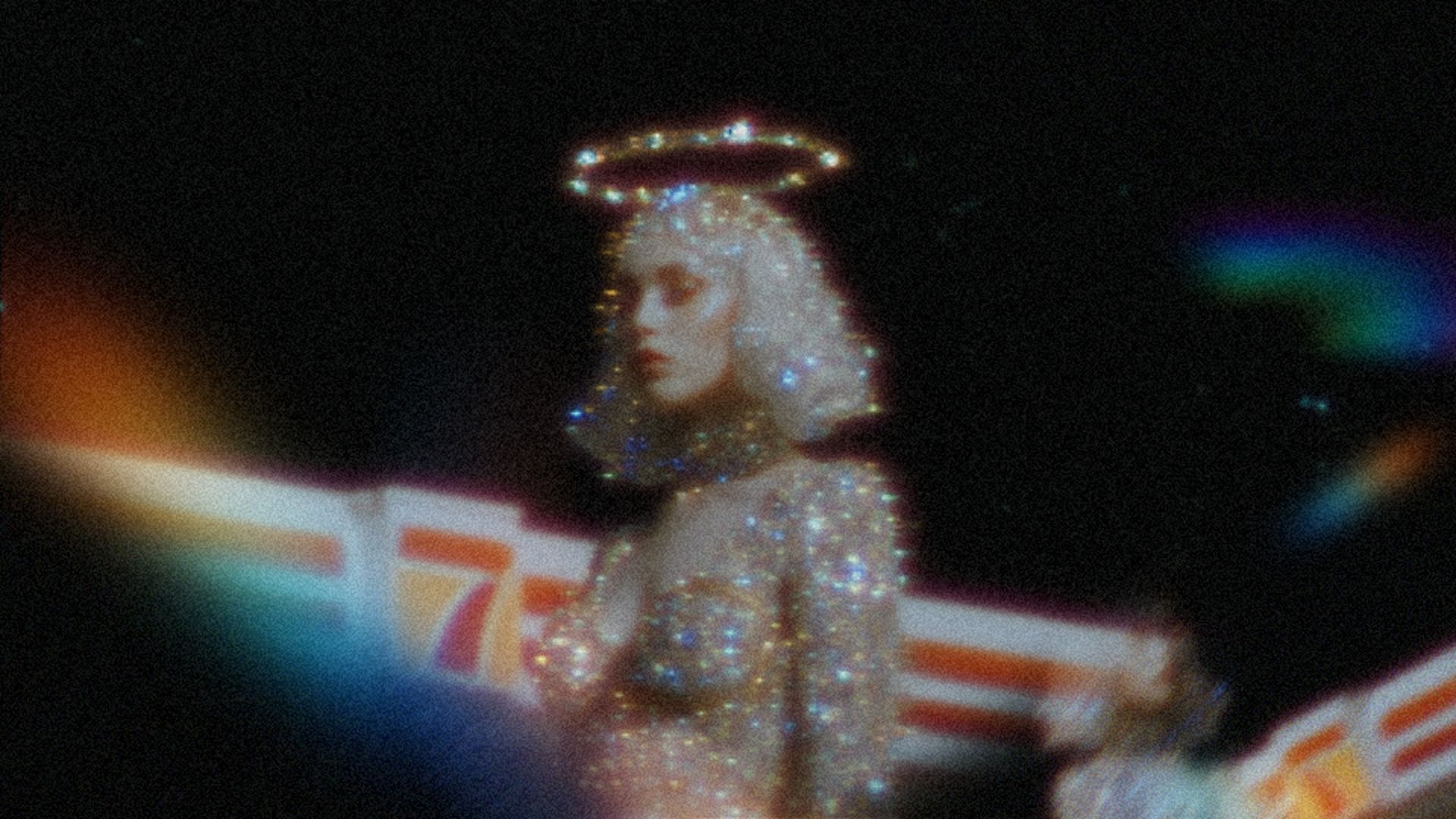
Dream Relic is a feeling more than a place. It's that indescribable longing for somewhere you've never actually been but somehow recognize – like a memory of a place that doesn't exist. It blends a wide range of aesthetics under the same umbrella: retro-futuristic, dark fantasy, dreamcore, liminal spaces, sci-fi, divine feminine figures, alien ancient technology. What ties it all together is the vintage film grain and star particles that cover everything. It makes the imagery feel found rather than generated, like discovered footage from somewhere that shouldn't exist but feels strangely familiar. When people watch it they often say things like “my brain is trying to remember somewhere it's never been.” That's exactly what I'm going for.
You started making AI visuals around two years ago, as the tools started getting better. What drew you to that medium, and what kind of feeling were you chasing at the beginning?
As the technology improved, what really drew me to the medium was the ability to take a vision from inside my head and actually translate it into a real format. I would be scrolling through videos late at night and certain things would just stop me in my tracks, giving this indescribable feeling of almost nostalgia and deja vu for places and aesthetics I'd never actually experienced. Dream Relic was created around that feeling. I wanted to explore how I could capture that indescribable quality through the combination of music and visual design, and AI tools gave me the means to actually execute that vision.
“When serious players in the industry are actively seeking out AI artists, it's clear they're starting to recognize that the tools don't determine the value of the work – the creative vision behind them does.”
Before Suno, music was already part of the vision – you played piano, sketched ideas on keys, and had lyrics sitting in your Notes app – but you weren’t yet using traditional production tools. What was the gap between the music you imagined and what you were able to make?
Music was always part of the Dream Relic vision. I've always had a passion for music and dabbled in quite a few instruments over the years, and I had lyrics sitting in my Notes waiting to find their form. While growing Dream Relic I quickly realized just how important the music aspect was to the videos and the emotions I was trying to capture.
The gap between what I imagined and what I could actually make was real. I had lyrics, I had feelings, I had a clear sense of what Dream Relic should sound like emotionally – but translating that into a finished track felt out of reach. I could hear it in my head but had no way to execute it at the level I was imagining. Traditional music production is a deep craft that takes years to master. I had the passion and vision, but undertaking that technical mastery simply wasn't realistic given how much time I was already dedicating to developing the visuals. I had a vision and the lyrics – I just needed the right tools.
You’ve said that after joining the Hooks creator program, you started putting old lyrics into Suno’s “Create” feature and making your own music. What was that first experience like?
I had been working with a record label and producers, but the music they were sending just wasn't resonating with my audience and wasn't quite the right fit for the visuals and emotions I was trying to capture. So when I started putting my own lyrics into Suno's Create feature, it was a genuinely different experience.
I had lyrics that had been sitting in my Notes for years, and I just started experimenting with them. The first time a track came back that actually matched the emotional feeling I had in my head it was a real moment. What struck me most was how much creative direction still mattered: the prompts, the choices, the refinements. It wasn't just generating something and accepting it. It was a back and forth process of trying to capture a specific feeling. That's when I realized this could actually work for Dream Relic.
There was a moment where you posted a video with a Suno song and got hundreds of comments asking where people could hear the track. What happened there, and what did that change for you?
I posted a video late at night without much thought behind it. It was just a track I'd made, paired with some visuals. The response caught me completely off-guard. Hundreds of comments asking for the song name, people pooling money in the comments trying to find it, someone saying they hated AI music but this was something different. It wasn't the view count that stood out – it was the specific nature of the comments. People weren't just saying it looked cool. They were asking for the music specifically. That had never happened before with any of the tracks I'd been testing with producers. That moment made it clear that the music I was making through Suno was genuinely connecting with people in a way that felt real. It changed how seriously I took the music side of Dream Relic.
You mentioned that a lot of comments say some version of, “I don’t like AI, but this made me feel something.” What does that reaction mean to you?
It's honestly the most meaningful feedback I receive. When someone who is skeptical of AI says the work made them feel something real. That tells me the emotional intent is coming through regardless of the tools used to create it.
While the tools have evolved, the artistic vision and creativity behind them is the same, whether it's a paintbrush or an AI tool. I've explored and trained in traditional art my entire life. I ran a successful handmade jewelry business where I made everything by hand myself. The craft was different, but the creative instinct was the same.
In my opinion, the only thing that truly defines art is the emotions it makes you feel. My goal with Dream Relic has always been to produce something so resonant and emotionally profound that it doesn't matter what tool was used to create it. When someone who openly dislikes AI says the work made them feel something…that's the goal being achieved.
“Just start. The entire origin of Dream Relic came from simply trying to replicate a feeling I felt while scrolling videos online. I had a limited background in music production, no label, no team. I just had a feeling I wanted to capture and the willingness to experiment until I got there.”
How did using Suno shift the way you thought about making music for the Dream Relic world?
Working with producers taught me a lot about what I was looking for sonically, but the process was slow and the results often didn't match the emotional language of Dream Relic. What Suno shifted was the speed of iteration and the directness of the creative relationship. I could have an idea, put it into words, hear something back, refine it, and try again – all in the same session.
It also made me realize how much of the creative work in music is actually in the direction and the taste, knowing what feeling you're after, knowing when something is close and when it isn't. That part never changed. What changed was my ability to actually execute on it.
The shift has been significant. Since releasing my first track, I've had multiple established labels and music groups reach out wanting to collaborate or sign music. That tells me something real is happening. The stigma around AI music is fading. When serious players in the industry are actively seeking out AI artists, it's clear they're starting to recognize that the tools don't determine the value of the work – the creative vision behind them does.
Your work sits between visual art, music, storytelling, and now potentially film/live experience. How do you think about pairing a sound with an image?
For me, the sound and the visual are trying to do the same thing – they're both trying to create a feeling that doesn't have a name. When I'm pairing a sound with an image, I'm not thinking technically. I'm asking whether they both live in the same emotional space. Does this sound make you feel what this image looks like? There's an instinctive quality to it. Some combinations just land and some don't, and I've learned to trust that instinct. The grain in the visuals and the filtered distant quality of the vocals in the music serve the same purpose. They make everything feel like it's coming from somewhere just out of reach. Like a memory rather than something happening right now. That's the thread connecting all of it
You’re releasing a full album with songs made using Suno. What can you tell us about the project and how you want people to experience it?
The album is called ‘Enter the Dream.’ It's the first full-length project under Dream Relic, and it feels like a natural extension of everything the visual side has been building toward. Each song is trying to capture a different dimension of the same feeling – that sense of longing for something just out of reach, of recognizing a place or emotion you can't quite name.
I want people to experience it the way they experience the videos, not analytically but instinctively. Just let it move through you. Every track has its own world, but they all exist within the same universe. I'm also releasing a full visual album on YouTube so the music and visuals can be experienced together the way they were always meant to be.
For me this album represents something bigger than just a music release. It's proof that the Dream Relic world has a sound now – not just a look.
A lot of artists are still skeptical of AI tools because they worry the technology replaces human intent or taste. As someone building with AI across visuals and music, what still feels most human to you?
Everything that actually matters still feels completely human. The tools don't decide what emotion to chase. They don't know what makes an image feel like a memory or what makes a sound hit you in the chest. They don't know which combination of visual and music creates that indescribable feeling I'm always reaching for. That judgment –that taste – is entirely mine.
AI tools are extraordinary at execution, but they have no emotional intelligence. They don't know what Dream Relic is trying to say. I do. Every creative decision – what to generate, what to keep, what to discard, how to sequence it, what it means – that's all human. The lyrics I write are personal. The vision behind the visuals came from years of absorbing art, music, and life experience.
What would you say to another visual artist, filmmaker, or creator who has music ideas but doesn’t know how to produce them yet?
Just start. The entire origin of Dream Relic came from simply trying to replicate a feeling I felt while scrolling videos online. I had a limited background in music production, no label, no team. I just had a feeling I wanted to capture and the willingness to experiment until I got there.
The gap between the music you hear in your head and what you can actually make has never been smaller. You don't need years of production experience to begin. You need a clear sense of what you're trying to make people feel and the willingness to keep refining until something actually lands.
The tools are more capable than most people realize but they still require real creative direction. You have to know what you're after. That taste and that vision – that's yours already. The technical barrier is the part that's changed.
If you have lyrics sitting in a Notes app, ideas you've never been able to execute, sounds you can hear but not make – now is the time to try.
You can find more of Dream Relic’s work on Suno, TikTok, Instagram, RUN.game, YouTube, and Spotify.