Unsung Heroes #3- Remedios (Maternal Grandmother) COMPLETE

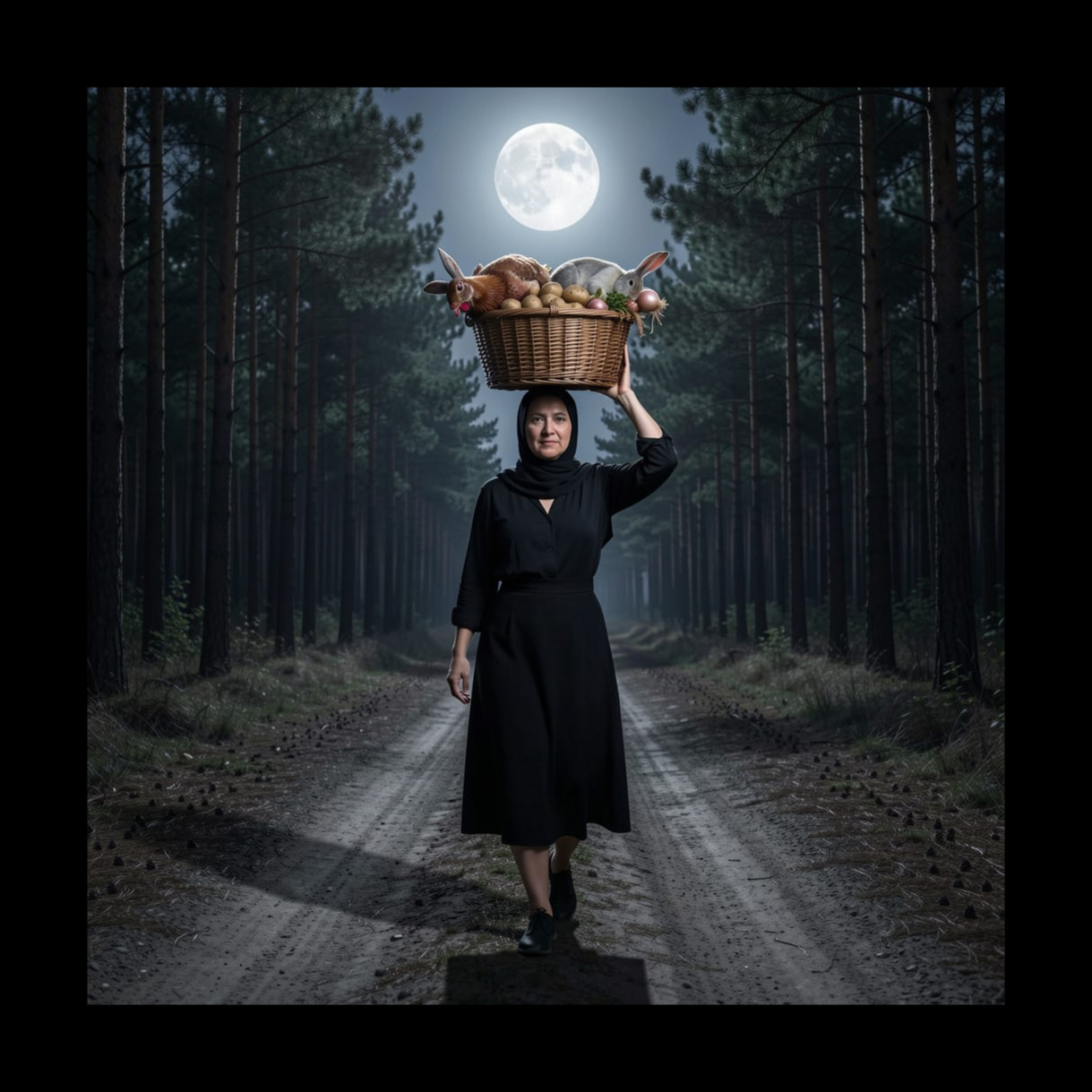
Unsung Heroes Number 3. Remedios. Maternal grandmother. Your husband died at 40, leaving you to raise seven children alone. But not before your eldest, hardest working son, Juan, had drowned at sea in his late teens while working as a fisherman to help you and your husband put food on the table. You lost a daughter too, Doñita, also in her early teens, to illness. Their kind, pure souls found their way home much too soon. Later in life, you would lose two more sons to tragedy. Paco, Francisco, an honest, hard-working man whose purposeful penchant for shocking language belied his most gentle nature and generous heart. He was electrocuted by a faulty portable light while working around his in-ground pool. And the apple of your eye, Sito, José, your last born and most loving son, who had inherited his father's exceptional looks, social conscience, left-of-center politics, imposing presence, silver tongue, and bad, bad luck, who died falling under the wheels of a moving train, perhaps accidentally. In a time of hopelessness and poverty, you would not be broken. You rose every day hours before the dawn to sell fish at a stand in Sada. And every afternoon, you placed a huge wicker basket on your head and walked many, many miles to sell even more fish in other towns. Money was tight, so you often took bartered goods in exchange for your fish, giving some to those most in need who could trade nothing in return but their blessings and their gratitude. You walked back home late at night through darkness or moonlit roads, carrying vegetables, eggs, and perhaps a rabbit or chicken in a large wicker basket on your strong head, walking straight on varicose-veined legs, driven on by a sense of purpose. During the worst famine during and after the Spanish Civil War, the chimney of your rented home overlooking the port of Fontán spewed forth black smoke every day. Your hearth fire burned to feed not just your children, but also your less fortunate neighbors, nourishing their bodies and their need for hope. You were criticized by some when the worst had passed after the Civil War. "Why work so hard, Remedios, and allow your young children to go to work at too young an age? You sacrifice them and yourself for stupid pride, when Franco and the foreign food aid provide free meals for the needy." "My children will never live off charity as long as my back is straight," was your reply. You resented your husband for putting politics above family and dragging you and your two daughters from the safe, comfortable home at number 10 Perry Street near the Village in New York City to Galicia without hope. He chose to tilt at windmills to the eternal glory of other foolish men and left you to fight the real, inglorious daily battle for survival alone. Struggling with a bad heart, he worked diligently to promote a better, more just future while largely ignoring the practical reality of your painful present. He filled you with children and built himself the cross upon which he was crucified, one word at a time, leaving you to pick up the pieces of his shattered idealism. But you survived and thrived without sacrificing your own strong principles or allowing your children to know hardships other than those of honest hard work. And you never lost your sense of humor. You never took anything or anyone too seriously. When faced with the absurdity of life, you chose to smile or laugh out loud. I saw you shed many tears of laughter, but not once tears of pain, sorrow, or regret. You would never be a victim. [harp glissando] You loved people. Yours was an irreverent sense of humor full of gentle irony and wisdom. You loved to laugh at yourself and others, especially pompous fools who often missed your great amusement at their expense, failing to understand your dismissal delivered always with a smile, a gentle voice, and sparkling eyes. Your cataracts and near-sightedness made it difficult for you to read, but you read voraciously nonetheless and loved to write long letters to loved ones and friends. You were a wise old woman, the wisest and strongest I will ever know, but one with a heart of a child and the soul of an angel. [strings swell] You were the most sane, most rational, most well-adjusted human being I have ever known. You were mischievous but incapable of malice. You were adventurous, never afraid to try or learn anything new. You were fun-loving, interesting, kind, rambunctious, and funny and smart as hell. You would have been an early adopter of all modern technology had you lived long enough and would have loved playing and working with all of my electronic toys. You would have been a terror with a word processor, email, and social media, and would have loved my video games and beaten me at every one. We were great friends and playmates throughout most of my life. You followed us here soon after we immigrated in 1967, leaving behind 20 grandchildren. I never understood the full measure of that sacrifice or the love that made it bearable for you. I do now, too late. It is one of the greatest regrets of my life. We played board games, cowboys and Indians, raced electric cars, flipped baseball cards, and played thousands of hands of cards together. It never occurred to me that you were the least bit unusual in any way. I loved you deeply but never went far out of my way to show it. That too, I learned too late. [strings fade to solo cello] After moving to Buenos Aires when Mom had earned enough money to take you and her younger brothers there, the quota system then in place made it impossible to send for your two youngest children whose care you entrusted temporarily to your eldest married daughter, Maria. You wanted them with you. Knowing no better, you went to see Evita Perón for help. Unsurprisingly, you could not get through her gatekeepers, but you were nothing if not persistent. You knew she left early every morning for her office and you parked yourself there at 6:00 AM for many a day on her driveway. Eventually, she had her driver stop and motioned for you to approach. "Grandmother, why do you wave at me every morning when I leave for work?" she asked. You explained about your children in Spain. She took pity and scribbled a pass on the back of her card to admit you to her office the next day. You met her there and she assured you that a visa would be forthcoming. When she learned that you made a living by cleaning houses and washing clothing, she offered you a sewing machine and training to become a seamstress. You thanked her but declined the offer. "Give the sewing machine to another mother with no trade. My strong back and hands serve me well enough and I do just fine as I have always done." I knew the moment that you died. I awoke from a deep sleep to see a huge white bird of human size atop the desk across from my bed. It opened huge wings and flew towards me and passed through me as I shuddered. I knew then that you were gone. I cried and I prayed for you. Mom called early the next day with the news that you had passed. She also told me much, much later that you had been in a coma for quite some time, but that you awoke, turned to her without recognizing her, and told her that you were going to visit your grandson in New York. Then you fell asleep for one last time. Playmate, friend, true hero. I miss you every day. [strings fade to silence]
