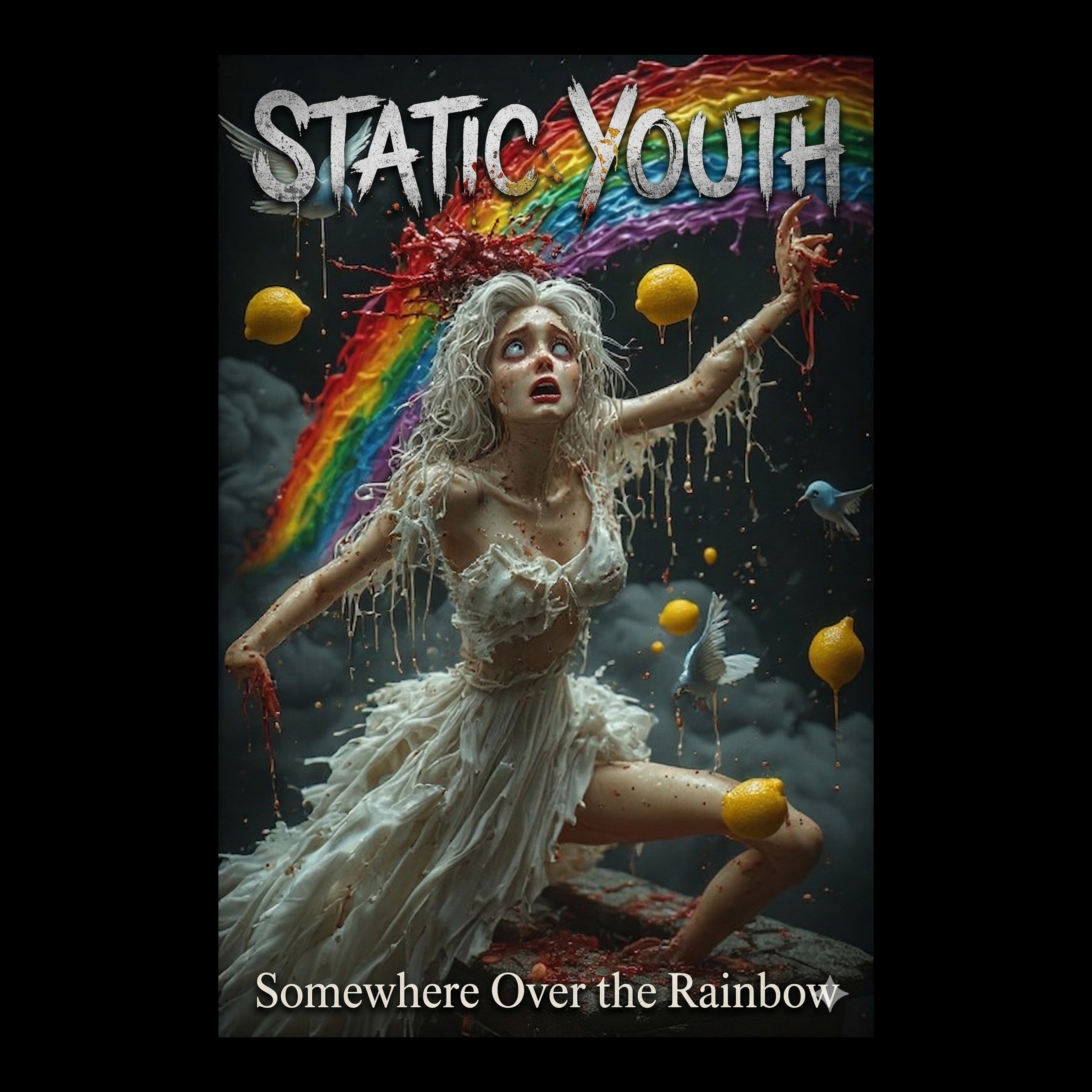
Somewhere Over the Rainbow
The Songwriters Music by: Harold Arlen Lyrics by: E.Y. "Yip" Harburg Timeline Written: Late 1938. Harold Arlen famously came up with the melody while sitting in his car outside a drugstore on Sunset Boulevard. Recorded: Judy Garland first recorded it on the MGM soundstage on October 7, 1938. Released: The song made its public debut when The Wizard of Oz premiered in August 1939. Fun Fact The song was actually deleted from the film three times during previews. MGM executives felt it slowed down the beginning of the movie and that it was "undignified" for a star like Judy Garland to be singing in a barnyard. Thankfully, associate producer Arthur Freed fought to keep it in, and it went on to win the Academy Award for Best Original Song. Originally written for the 1939 film The Wizard of Oz, "Somewhere Over the Rainbow" is a quintessential ballad of longing and escapism. It serves as an "I Want" song for the protagonist, Dorothy Gale, as she dreams of a world far removed from the grayscale landscape of her Kansas farm. Core Themes Hope and Aspiration: The song centers on the belief that a better life exists elsewhere—a place where "troubles melt like lemon drops." The Impossible Dream: It uses the rainbow as a bridge between a difficult reality and a vibrant, magical utopia. Childhood Innocence: The lyrics lean on lullaby-like imagery (bluebirds, lullabies) to contrast with the harshness of the adult world. Narrative Structure The song moves from a place of melancholy wondering to determined optimism. It begins by establishing the "somewhere" as a legendary place heard of in a lullaby, then transitions into a personal plea. The bridge shifts the focus to the singer's desire to wake up in a place where clouds are far behind, concluding with a poignant, rhetorical question: "If happy little bluebirds fly beyond the rainbow, why, oh why can't I?" Cultural Impact While originally a symbol of a young girl's hope, the song has evolved into a universal anthem for marginalised groups and those seeking social or personal liberation. Its enduring popularity stems from the relatable tension between the "here and now" and the "what could be."
