Clann an Dhragaín Uaine na Gàidhealtachd Albannaich
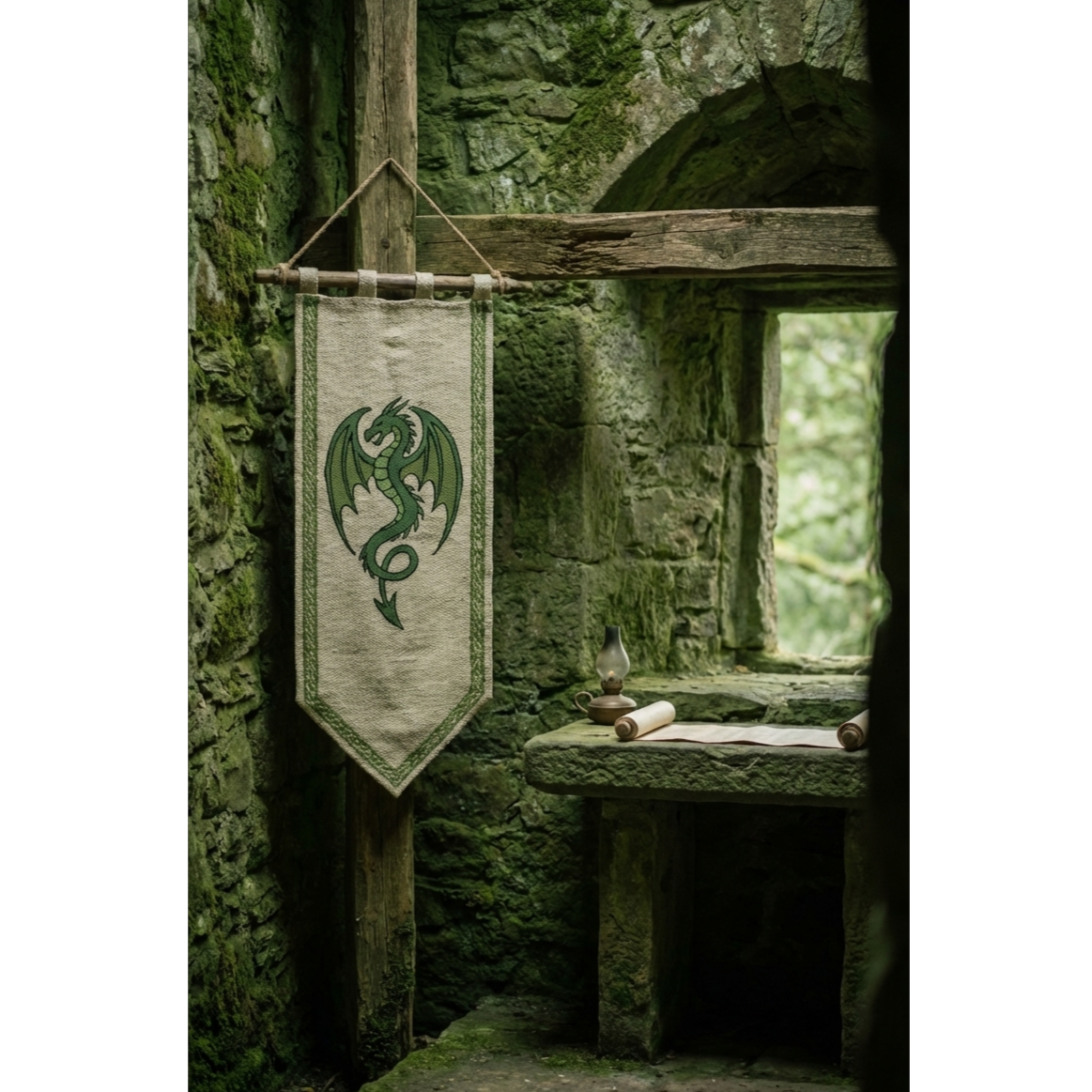
The Green Dragon Clan of the Scottish Highlands.
A ritual cycle set in 1560, sung in Scottish Gaelic. 16 chants plus an invocation and two introductions, composed on Suno as a coherent project.

·
19 songs
3:49

16th-century Scottish Highlands battle chant, Great Highland Bagpipes leading the melody with deep war drums (bodhrán, tapan) and sparse fiddle, Occasional small harp (clàrsach), Vocal style: raw, bardic male lead; distant and ethereal female backing voices in traditional Gaelic keening style, Communal clan chorus, strong unison chanting, Musical phrasing shaped by alliteration and stress patterns typical of Early Modern Scottish Gaelic, No iambic meter, Mood: fierce, ancestral, invoking a mythical Green Dragon who protects the clan, Sing the following lyrics exactly as written in Scottish Gaelic, ‑fiddle, ‑iambic
3:38

Create an ancient ritual march from the 16th-century Scottish Highlands, Slow, heavy, ceremonial procession rhythm, Deep bodhrán and tapan drums, drone of Great Highland Bagpipes, low chanting male chorus, distant female keening voices, Style: archaic Gaelic ritual, not modern, no iambic meter, Voice tone: solemn, ancestral, bardic, Use guttural Gaelic consonants, long vowels, natural Gaelic stress, Atmosphere: torchlight, clan gathering, sacred invocation of the Green Dragon who protects the Clan, Sing the following lyrics exactly as written in Scottish Gaelic
3:44

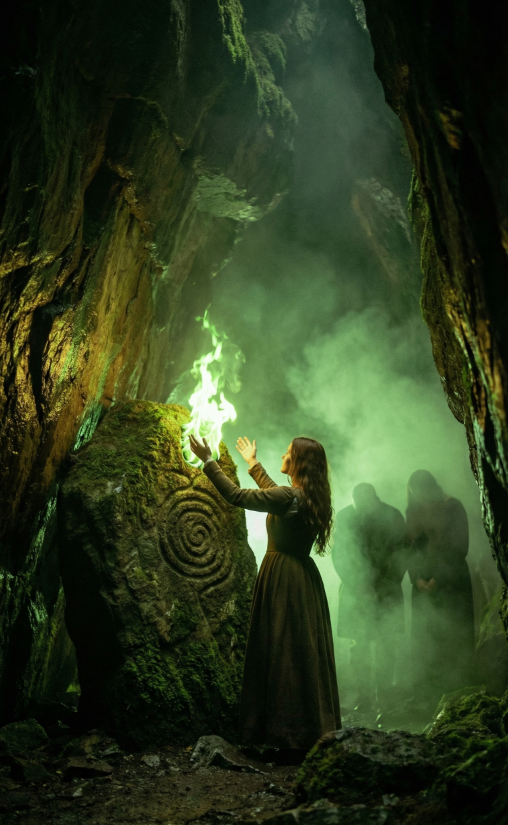
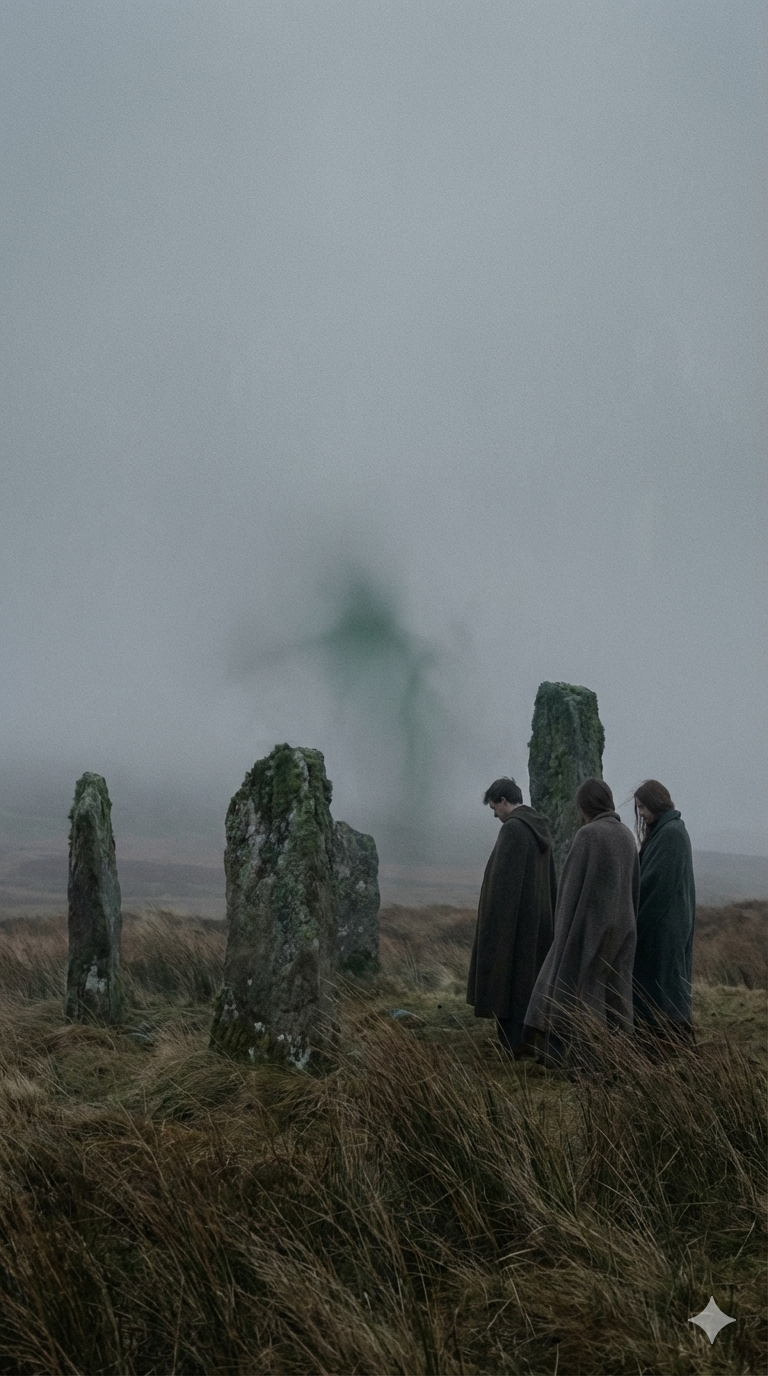
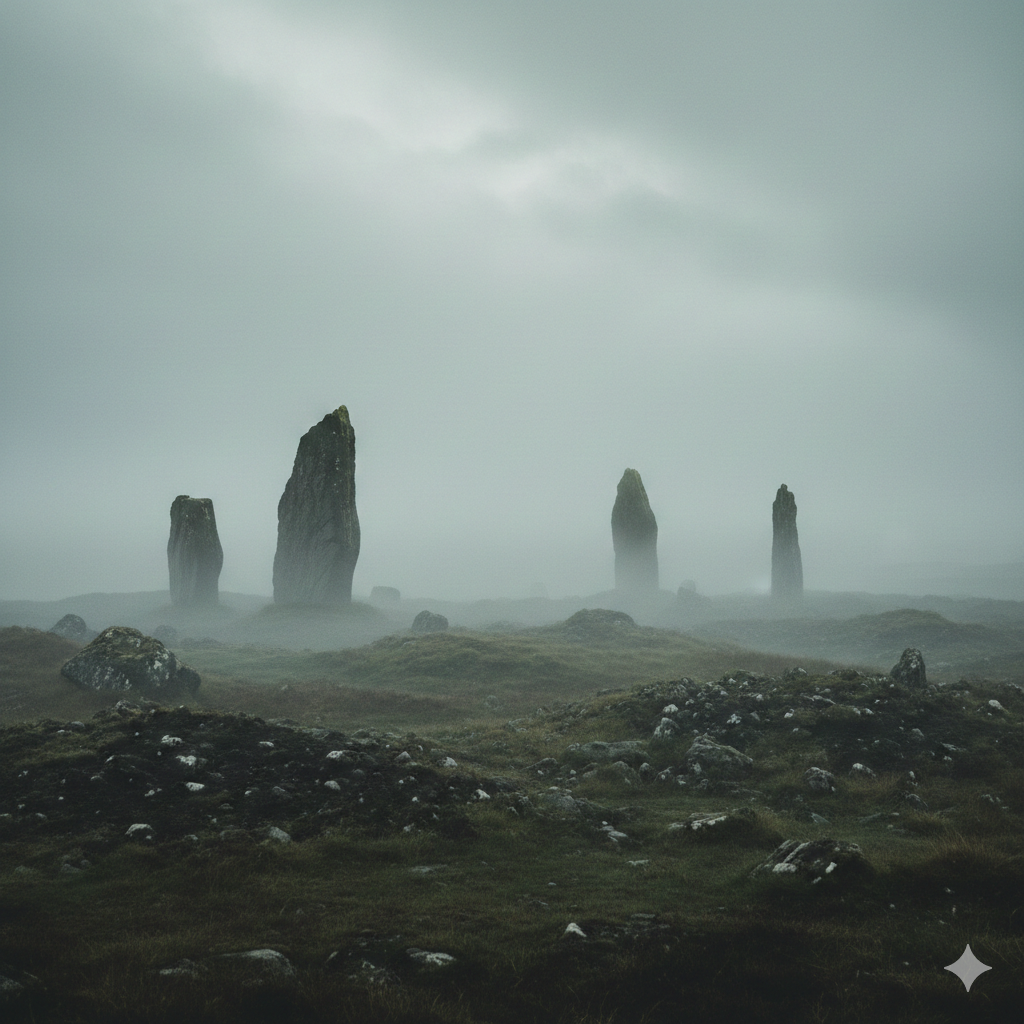
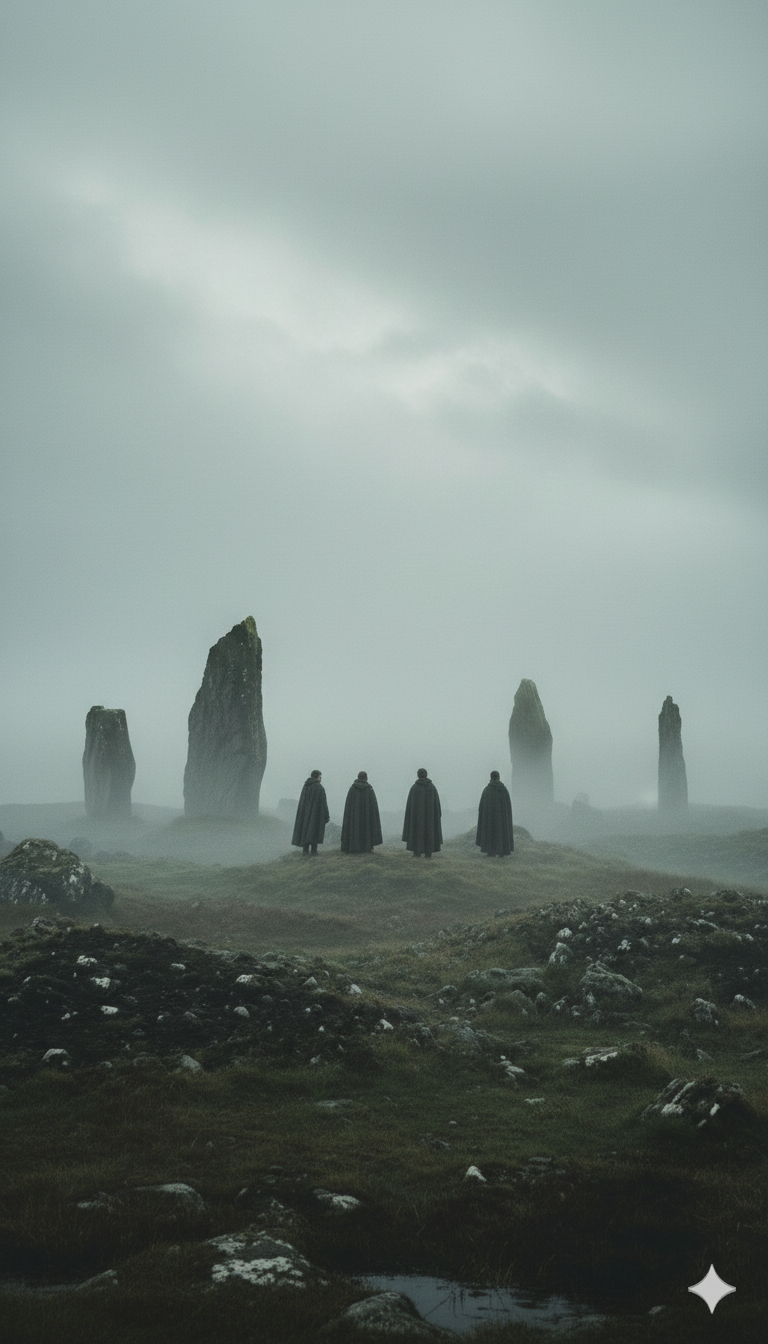
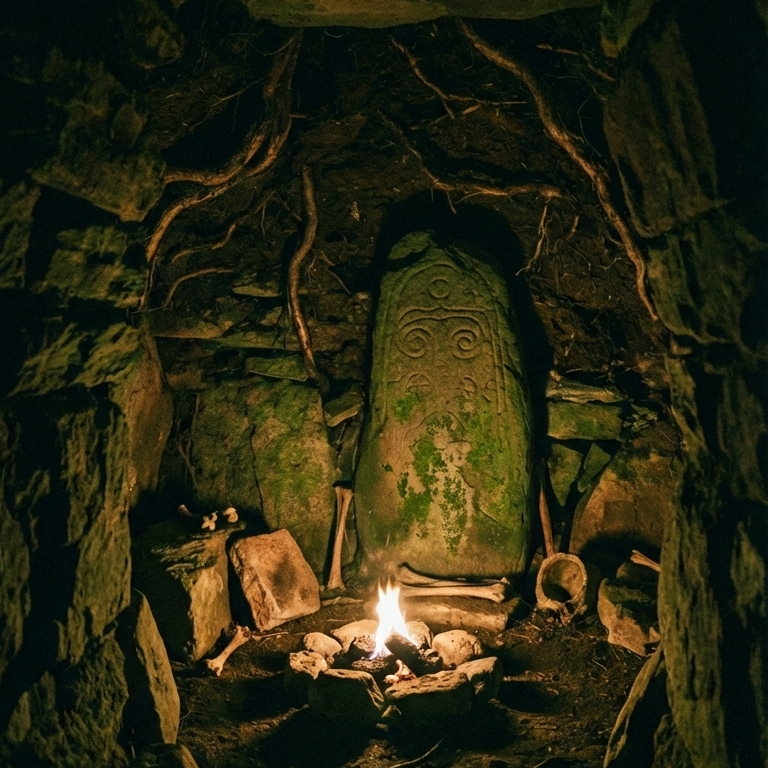
Create a mystical, pre-Christian Highland oath chant from the 16th century, Deep, slow, druidic atmosphere, Male solo voice with low ritual chanting; distant female keening voices, Minimal percussion: soft bodhrán heartbeat, occasional deep drones, No bagpipes, Style: archaic Scottish Gaelic invocation, solemn and supernatural, Long vowels, guttural consonants, free Gaelic stress, no iambic meter, Atmosphere: moonlit ritual circle, clan standing around the sacred stone of the Green Dragon, Sing the following lyrics exactly as written in Scottish Gaelic
3:59

Create an intimate, ancestral keening chant from the 16th-century Scottish Highlands, Very slow, minimal, sorrowful but dignified, Female solo keening voice (caoineadh-style), trembling and breathy, supported by a distant male drone and deep vowel harmonics, No drums except a faint heartbeat pulse, No bagpipes, Tone: pre-Christian mourning ritual, The clan gathers to remember fallen warriors and lost elders, while drawing strength from the eternal presence of the Green Dragon who never dies, Long Gaelic vowels, guttural consonants, no iambic meter, Sing the following lyrics exactly as written in Scottish Gaelic
4:14

16th-century Highland solstice ritual inside a bioluminescent green cavern, The music must clearly emphasize female lead vocals as the source of the ritual rebirth: soft but powerful, breath-rich, luminous, singing in Scottish Gaelic, Male voices appear only as deep, distant backing vocals, answering her like echo, earth, and support — never taking the lead, No pipes, Slow heartbeat-like frame drum, soft drones, shimmering fiddle harmonics, The female voice should feel like the First Flame rising; the male chorus should feel like stone and wind responding, Build from hush → female invocation → male echo → unified ascending chorus, all pre-Christian, mystical, sacred, Atmosphere: green fire, hope, rebirth
3:44

Ancient Highland origin hymn, year ~1560 retelling a much older legend, Slow, breath-heavy, mystical, Male lead voice in Scottish Gaelic telling the story calmly, like an old bard or clan elder: warm chest voice, slightly rough, narrow range, no pop, no diva, no gospel, no modern vibrato, He is the only clear lead for all verses, Female voice only as distant ancestral echo: soft, airy, almost whispered, like wind over cliffs, sometimes wordless or repeating short phrases, never belting, never brighter or louder than the man, Small low chorus enters only in the two refrains, like a few villagers by a fire, quiet and blended, never a big cinematic choir, Deep drone strings and subtle wooden flute, very light heartbeat drum, Strictly no bagpipes, no pipes of any kind, no modern drums, no synths, no piano, Mood: from darkness and fear to warm green light, then trust in the dragon of light as gentle guardian, pre-Christian, ritual, ancient and restrained
2:44

Ancient Highland keening ritual, year ~1560, Extremely slow, austere, mournful, pre-Christian, This is not a song but a ritual lament, Lead voice performs a true Gaelic keening: broken phrases, breath-driven, chest-resonant, raw and restrained, with sighs and glissandi, never melodic, never beautiful, never emotional in a modern way, No clear gender cues in the lyrics; voices may alternate naturally, Male voices, if present, are very low, sparse, almost spoken, like ritual responses, Very small chorus as support, human, grounded, from the belly, never from the head, No pipes, no bagpipes, no flutes, no melody instruments, no harmony stacking, Only faint frame drum like a distant heartbeat, cold wind textures, deep human vocal drones, The Green Dragon is not heard or seen: it is a silent, protective presence, felt only as breath, shadow, and vigilance, Grief without resolution, endurance, staying through pain, No climax, no catharsis, no cinematic rise, Silence is as important as sound
3:53

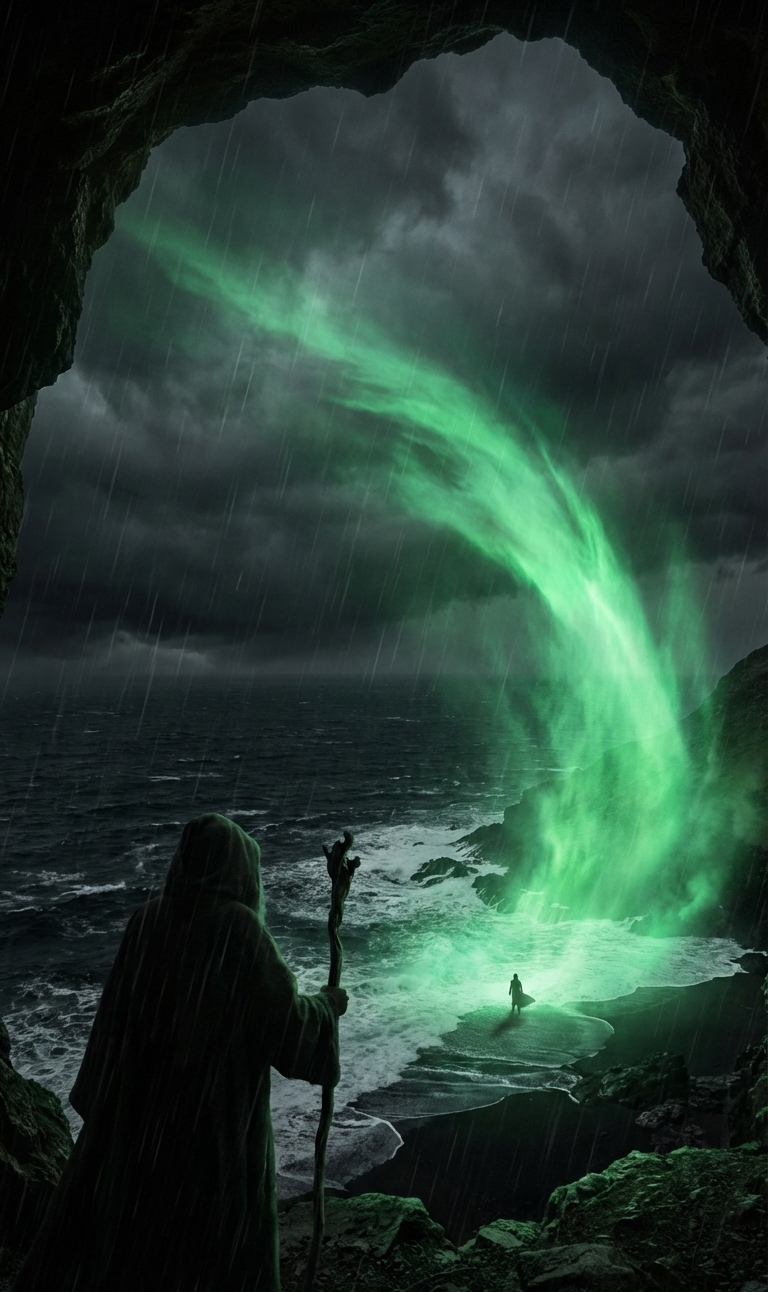
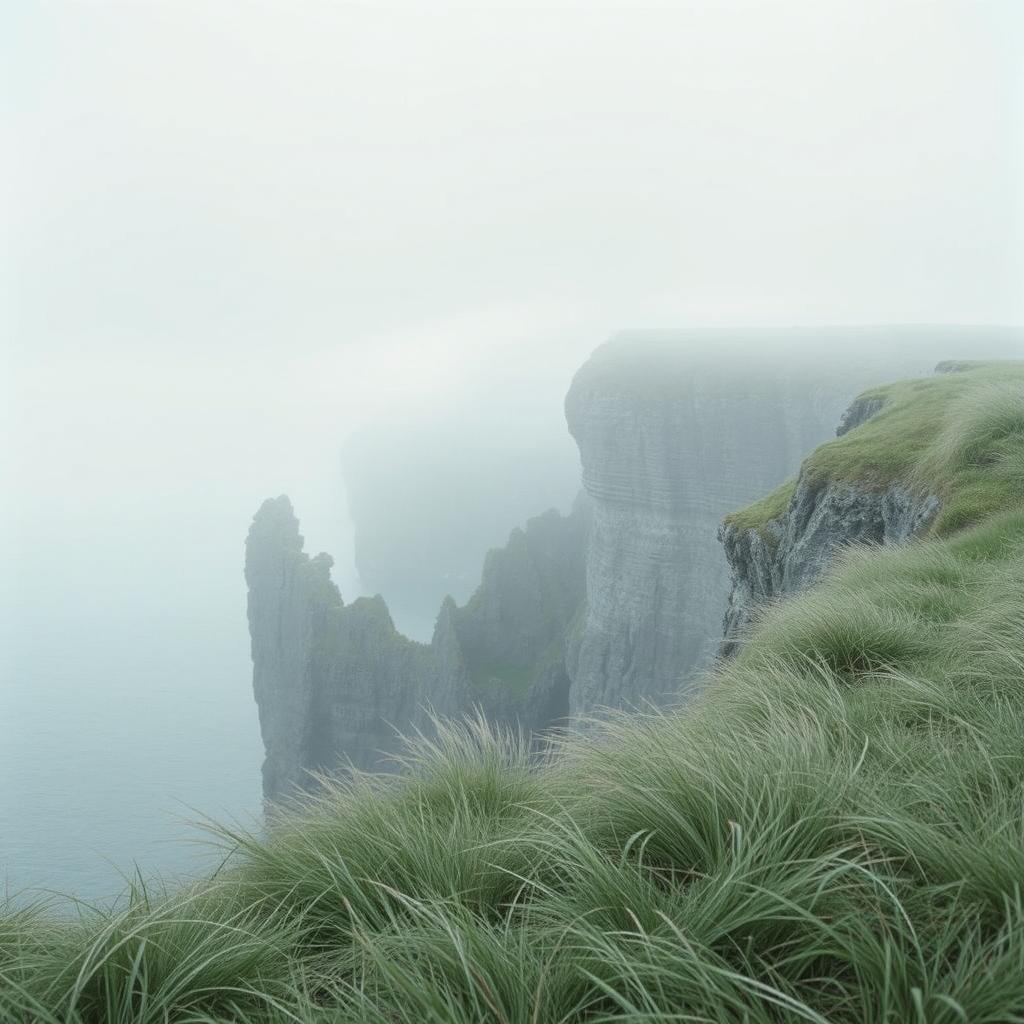
Pre-Christian Highland wind ritual, Whispered male lead, soft female answering voice, distant human chorus emerging like shifting gusts, No melody, no modern harmony, Use breath, hiss, air resonance, and long vowels shaped by gale-force winds on Caithness cliffs, Sparse frame drum like a distant heartbeat, The presence is felt, not seen: no spoken message, only vigilance and memory carried by the wind, End with a suspended collective breath, not a resolution
2:52

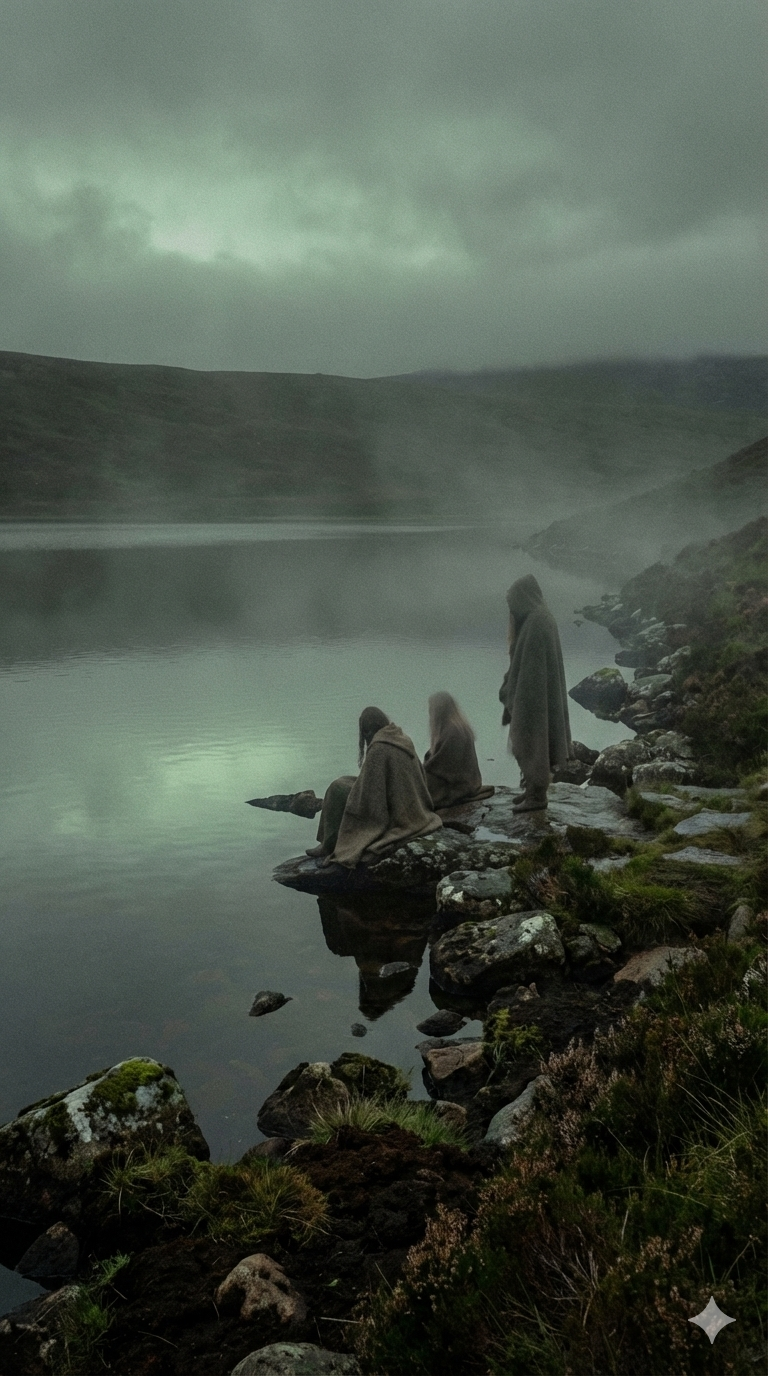
Pre-Christian Scottish Highlands water vigil, circa 1560, This is not a song but a silent oath kept beside water, Extremely slow, flat, restrained, Female lead voice very low, grounded, chest-driven, almost spoken, no melody, no ornament, no melisma, no vibrato, The voice must sound held back, controlled, neutral, ritual, never expressive, Male voice appears only as distant echo, minimal, sparse, never leading, never harmonizing, No chorus as singing: only quiet human presence, breath, murmurs, collective stillness, No pipes, no bagpipes, no strings, no drones, no harmony, no melody instruments, Only subtle water movement, faint wind, occasional low frame drum pulse like distant time, long silences between sounds, No build-up, no climax, no emotional arc, no release, The vigil does not resolve, The oath is not spoken, it is maintained, End without conclusion, fading into water and silence, ‑Exclude all modern, ‑decorative, ‑or expressive singing styles, ‑No melisma, ‑no vocal ornamentation, ‑no lyrical phrasing, ‑no vibrato, ‑no falsetto, ‑no head voice, ‑no belting, ‑no emotional climaxes, ‑No pop, ‑no folk-pop, ‑no cinematic soundtrack style, ‑no epic fantasy, ‑no choir swell, ‑no harmonic stacking, ‑Exclude all modern or later instruments and timbres: no bagpipes, ‑no pipes of any kind, ‑no flutes, ‑no whistles, ‑no violins, ‑no string sections, ‑no harps, ‑no pianos, ‑no synths, ‑no pads, ‑no drones that feel musical, ‑Exclude all modern production aesthetics: no reverb-heavy vocals, ‑no polished studio sound, ‑no clean mixing, ‑no rhythm grid, ‑no tempo build-up, ‑no drop, ‑no release, ‑Exclude narrative or theatrical performance: no storytelling delivery, ‑no character acting, ‑no heroic tone, ‑no dramatic emphasis, ‑no emotional manipulation, ‑This saga must sound raw, ‑restrained, ‑breath-driven, ‑ritual, ‑pre-Christian, ‑and grounded in silence
2:52

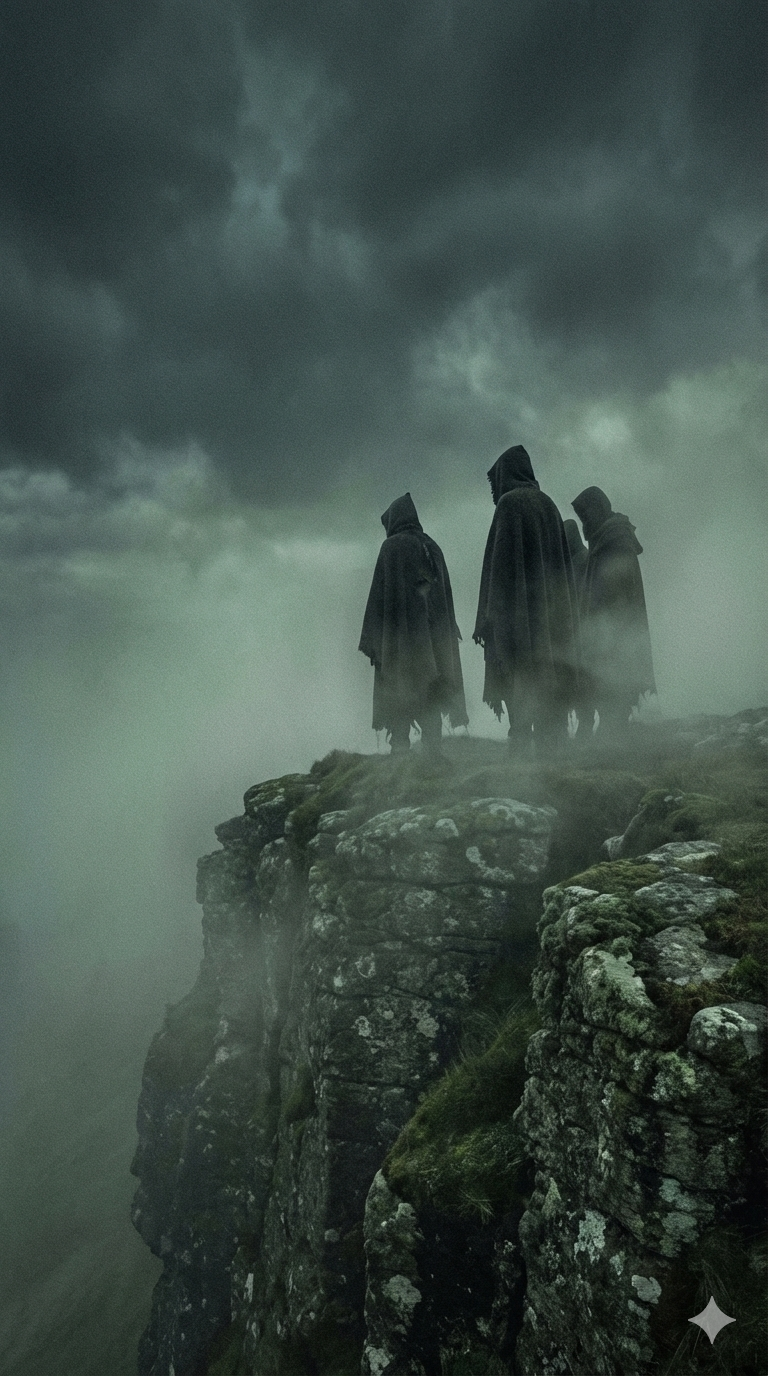
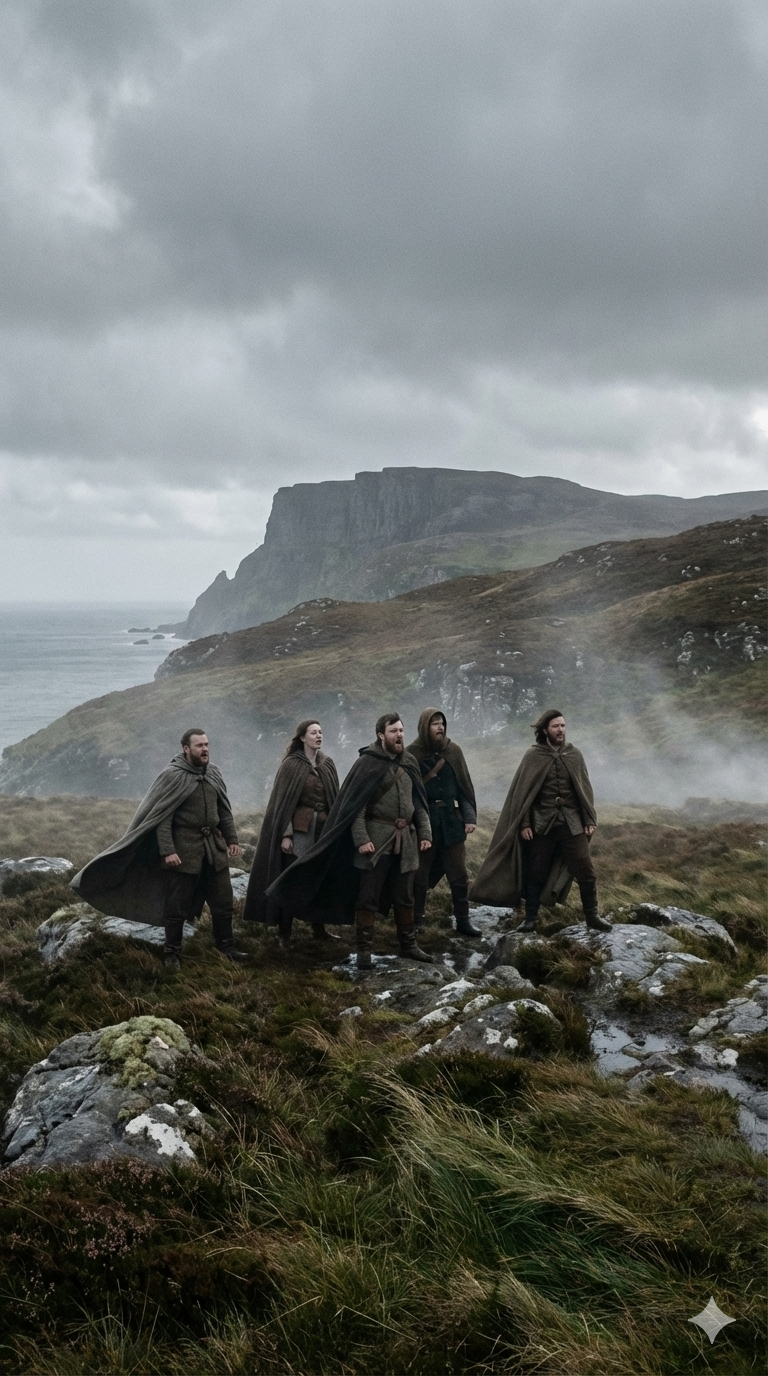
Pre-Christian Scottish Highlands warning ritual, circa 1560, Slow, heavy, grounded, This is a clan call, not a song, Male voices lead first: deep, open-throat, chest-driven, shouted-chant style, raw and uneven, no melody, no ornament, Words are short, forceful, breath-led, Female voices answer only as distant, sharp echoes from the cliffs of Fitful Head: high, piercing, strained, never lyrical, never emotional, no melody, no melisma, Call-and-response across stone and wind, Rhythm is slow and brutal: low frame drum, foot stomps, stone hits, wind roar woven into silence, Long pauses between calls, Build from stillness to a single collective gairm, then collapse back into wind and breath, Atmosphere of warning, unity, vigilance, ancestral necessity, ‑Exclude all modern, ‑decorative, ‑or expressive singing styles, ‑No melisma, ‑no vocal ornamentation, ‑no lyrical phrasing, ‑no vibrato, ‑no falsetto, ‑no head voice, ‑no belting, ‑no emotional climaxes, ‑No pop, ‑no folk-pop, ‑no cinematic soundtrack style, ‑no epic fantasy, ‑no choir swell, ‑no harmonic stacking, ‑Exclude all modern or later instruments and timbres: no bagpipes, ‑no pipes of any kind, ‑no flutes, ‑no whistles, ‑no violins, ‑no string sections, ‑no harps, ‑no pianos, ‑no synths, ‑no pads, ‑no drones that feel musical, ‑Exclude all modern production aesthetics: no reverb-heavy vocals, ‑no polished studio sound, ‑no clean mixing, ‑no rhythm grid, ‑no tempo build-up, ‑no drop, ‑no release, ‑Exclude narrative or theatrical performance: no storytelling delivery, ‑no character acting, ‑no heroic tone, ‑no dramatic emphasis, ‑no emotional manipulation, ‑This saga must sound raw, ‑restrained, ‑breath-driven, ‑ritual, ‑pre-Christian, ‑and grounded in silence
2:52

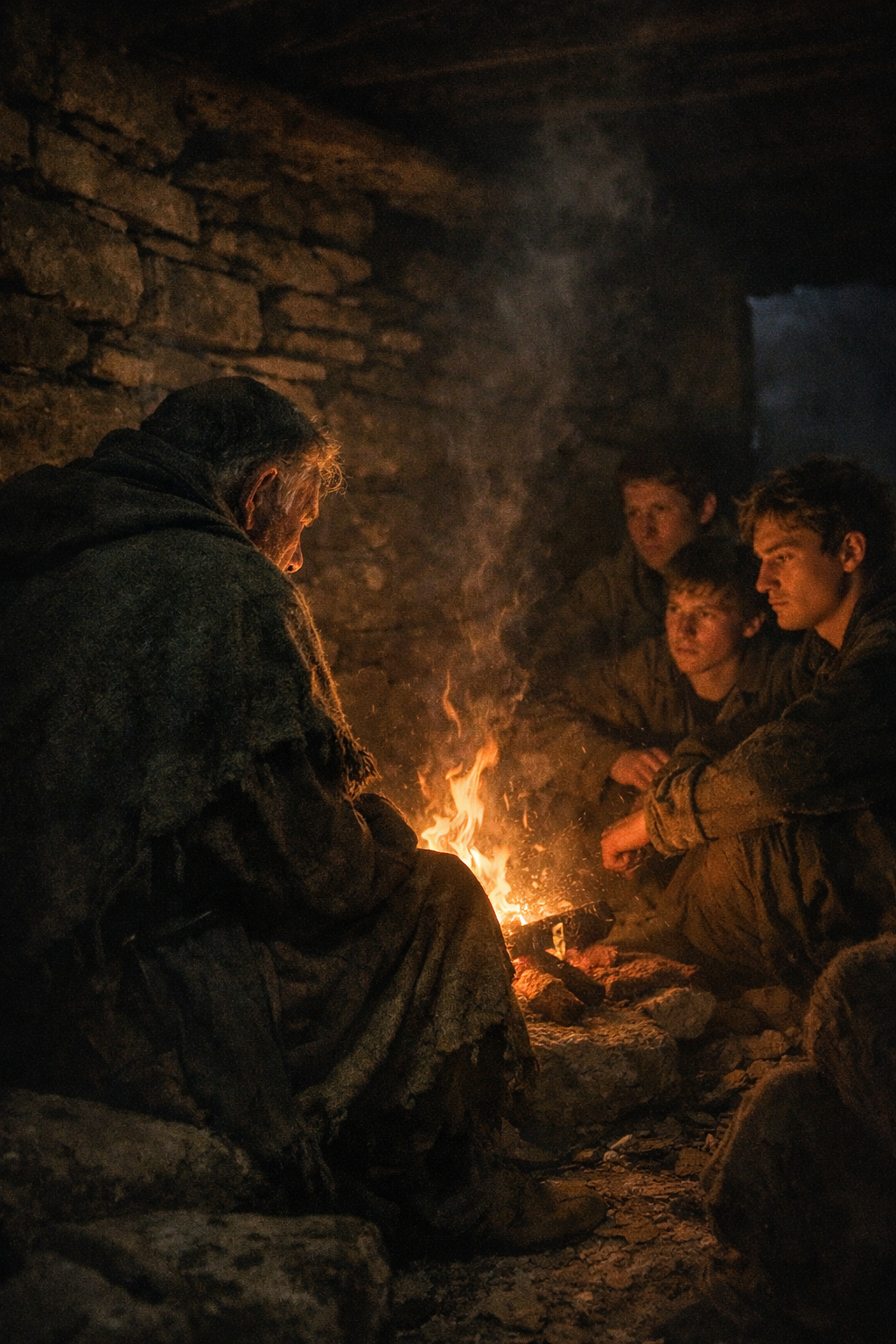
Pre-Christian Scottish Highlands oral memory ritual, circa 1560, This is NOT a song, NOT folk, NOT storytelling music, No guitar, no string instruments, no chord progressions, no melody, Elder male voice only: very low, broken, breathy, almost spoken, uneven pacing, no singing, no rhythm, no tune, The voice sounds old, tired, restrained, functional, as if speaking to keep memory alive, not to perform, Children’s voices appear only as very soft murmured echoes, irregular, whispered, untrained, never in time, never melodic, never cute, Soundscape is minimal and non-musical: faint fire crackle, distant wind, room tone, silence, No drums, no pulse, no beat, no harmony, This must sound closer to a spoken vigil or oral recitation than music, No verse-chorus structure, No repetition for catchiness, No emotional build, No release, End unresolved, fading into quiet fire and breath, ‑Exclude all modern, ‑decorative, ‑or expressive singing styles, ‑No melisma, ‑no vocal ornamentation, ‑no lyrical phrasing, ‑no vibrato, ‑no falsetto, ‑no head voice, ‑no belting, ‑no emotional climaxes, ‑No pop, ‑no folk, ‑no folk revival, ‑no acoustic songwriting, ‑no cinematic soundtrack style, ‑no epic fantasy, ‑Exclude all instruments associated with folk or modern music: no acoustic guitar, ‑no electric guitar, ‑no strings of any kind, ‑no fiddle, ‑no harp, ‑no piano, ‑no synths, ‑no pads, ‑Exclude modern production aesthetics: no polished studio sound, ‑no clean mixing, ‑no tempo, ‑no rhythm grid, ‑no groove, ‑This saga must sound raw, ‑restrained, ‑breath-driven, ‑ritual, ‑pre-Christian, ‑and grounded in silence
1:37

16th-century Scottish Highlands ritual chant, year 1560, pre-Christian, Single male voice only, very low register, narrow pitch range, almost monotone, Voice must feel physically grounded, heavy, breath-weighted, as if sung while walking slowly in a circle on wet stone and peat, Circular, non-linear structure with obsessive repetition and no progression, No melodic development, no harmonic movement, no climax or resolution, Extremely slow tempo, uneven but natural, not metronomic, Deep earth-bound drone felt as pressure, like ground resonance, Very slow, dull frame drum or stomp-like pulse, irregular, like a distant heartbeat through soil, Sparse texture, vast negative space, long pauses, Vocal delivery restrained, austere, emotionally closed, almost indifferent, No expression, no emphasis, no dynamic rise or fall, The chant must feel uncomfortable, heavy, and persistent, Healing through repetition and weight, not light or beauty Not a song, but a cyclic rite of grounding and endurance, ‑Exclude all modern, ‑decorative, ‑or expressive singing styles, ‑No melisma, ‑ornamentation, ‑lyrical phrasing, ‑vibrato, ‑falsetto, ‑head voice, ‑belting, ‑or emotional climaxes, ‑No pop, ‑folk-pop, ‑cinematic soundtrack, ‑epic fantasy, ‑choir swell, ‑or harmonic stacking, ‑Exclude modern or later instruments and timbres: no bagpipes or pipes of any kind, ‑no flutes, ‑whistles, ‑violins, ‑string sections, ‑harps, ‑pianos, ‑synths, ‑pads, ‑or drones that feel tonal, ‑harmonic, ‑ambient, ‑or meditative, ‑Exclude modern production aesthetics: no reverb-heavy vocals, ‑no polished studio sound, ‑no clean mixing, ‑no rhythm grid, ‑no tempo build-up, ‑drop, ‑or release, ‑Exclude narrative or theatrical performance: no storytelling delivery, ‑no character acting, ‑no heroic tone, ‑no dramatic emphasis, ‑no emotional manipulation, ‑No ‘ancestral’, ‑‘mystical’, ‑or ‘spiritual uplift’ tone leading to grandeur or transcendence, ‑The performance must not invite the listener in; it must remain and indifferent to the audience
1:09

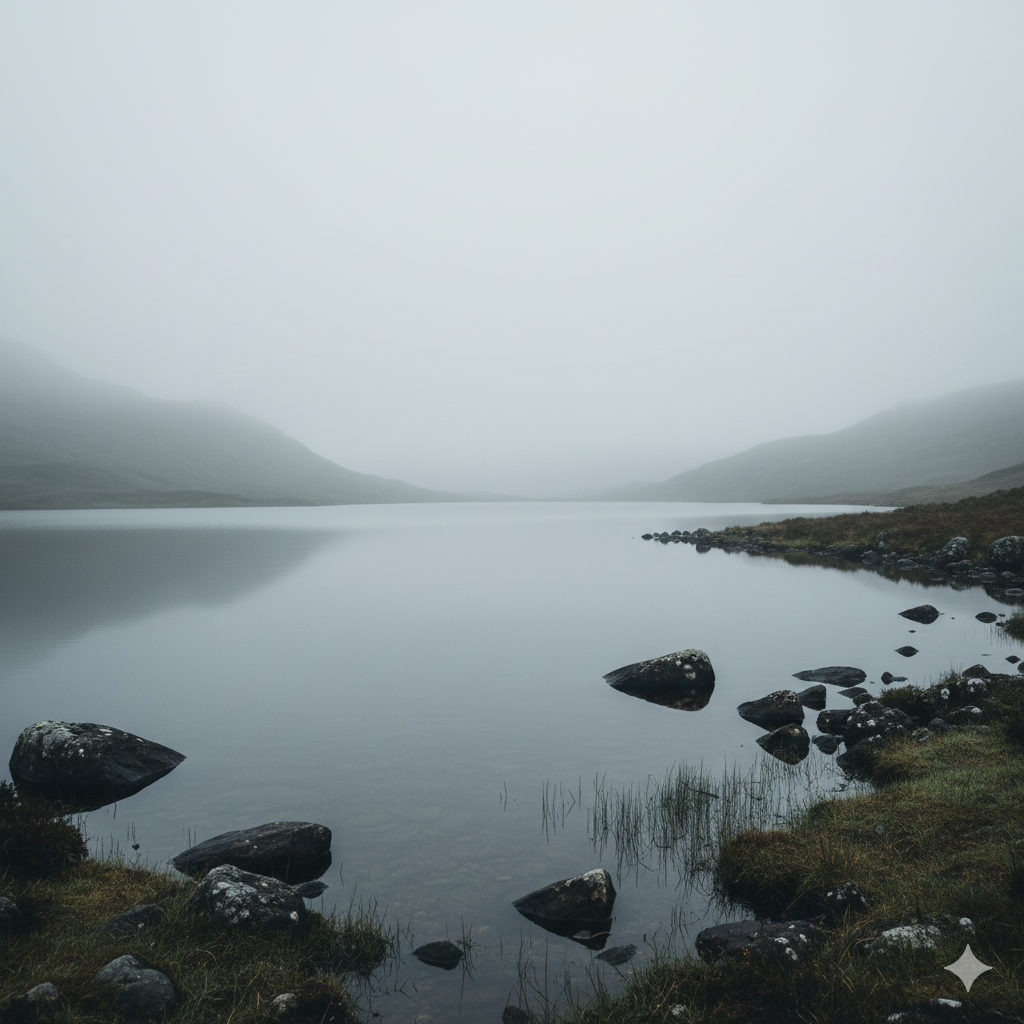
16th-century Scottish Highlands ritual of waiting, year 1560, pre-Christian, Extremely sparse, reduced composition built around absence and delay, Long stretches of near-silence where nothing happens, Static, very low drones with no tonal center, barely audible, suspended, without movement, No rhythm, no pulse, no sense of tempo progression, Optional distant female voice only, extremely fragile and restrained, very low dynamic presence, appearing briefly and then withdrawing, Narrow pitch range, minimal breath, no phrasing, no continuity, Voice must feel incidental, not guiding, as if left behind by the ritual, No melody, no harmonic resolution, no buildup, no release, Sound should feel suspended in time, uncomfortable, unresolved, The Dragon does not answer; the music does not compensate, Atmosphere: cold air, still loch, heavy fog, muted landscape, Severe, ascetic, withholding, Intentionally unrewarding, This is not performance but enforced waiting, a ritual of endurance in silence, ‑Exclude all modern, ‑decorative, ‑or expressive singing styles, ‑No melisma, ‑no vocal ornamentation, ‑no lyrical phrasing, ‑no vibrato, ‑no falsetto, ‑no head voice, ‑no belting, ‑no emotional climaxes, ‑No pop, ‑no folk-pop, ‑no cinematic soundtrack style, ‑no epic fantasy, ‑no choir swell, ‑no harmonic stacking, ‑Exclude all modern or later instruments and timbres: no bagpipes, ‑no pipes of any kind, ‑no flutes, ‑no whistles, ‑no violins, ‑no string sections, ‑no harps, ‑no pianos, ‑no synths, ‑no pads, ‑no drones that feel tonal, ‑harmonic, ‑ambient, ‑or meditative in a modern sense, ‑Exclude all modern production aesthetics: no reverb-heavy vocals, ‑no polished studio sound, ‑no clean mixing, ‑no rhythm grid, ‑no tempo build-up, ‑no drop, ‑no release, ‑Exclude narrative or theatrical performance: no storytelling delivery, ‑no character acting, ‑no heroic tone, ‑no dramatic emphasis, ‑no emotional manipulation, ‑No ‘ancestral’, ‑‘mystical’, ‑or ‘spiritual uplift’ tone if it leads to grandeur or transcendence
2:07

16th-century Scottish Highlands ritual chant, year 1560, pre-Christian, Ritual of confession without absolution, Fragmented structure built on hesitation and fracture, Irregular pacing, unstable pulse that never settles into rhythm, Broken phrases stop mid-thought, with gaps and silences, Two human voices only: male and female, They do not dialogue, they do not resolve, Voices enter separately or overlap imperfectly, sometimes almost meeting, never aligning fully, Delivery is restrained, hesitant, weighted by omission rather than emotion, Narrow pitch ranges, uneven timing, no sustained lines, Sparse sound field: low, dull drones without tonal center, uneven pressure-like presence rather than musical foundation, No clear meter, no repetition that comforts, no cyclical return, The music feels strained, ethically tense, unresolved, No climax, no catharsis, no release, The chant must feel morally heavy, inward, and unresolved, The Dhragaìn does not answer; silence functions as judgment, ‑Exclude all modern, ‑decorative, ‑or expressive singing styles, ‑No melisma, ‑no vocal ornamentation, ‑no lyrical phrasing, ‑no vibrato, ‑no falsetto, ‑no head voice, ‑no belting, ‑no emotional climaxes, ‑No pop, ‑no folk-pop, ‑no cinematic soundtrack style, ‑no epic fantasy, ‑no choir swell, ‑no harmonic stacking, ‑Exclude all modern or later instruments and timbres: no bagpipes, ‑no pipes of any kind, ‑no flutes, ‑no whistles, ‑no violins, ‑no string sections, ‑no harps, ‑no pianos, ‑no synths, ‑no pads, ‑no drones that feel tonal, ‑harmonic, ‑ambient, ‑or meditative in a modern sense, ‑Exclude all modern production aesthetics: no reverb-heavy vocals, ‑no polished studio sound, ‑no clean mixing, ‑no rhythm grid, ‑no tempo build-up, ‑no drop, ‑no release, ‑Exclude narrative or theatrical performance: no storytelling delivery, ‑no character acting, ‑no heroic tone, ‑no dramatic emphasis, ‑no emotional manipulation, ‑No ‘ancestral’, ‑‘mystical’, ‑or ‘spiritual uplift’ tone if it leads to grandeur or transcendence
2:04

16th-century Scottish Highlands ritual chant, year 1560, pre-Christian, Ritual of generational passage through movement, Children’s voices only, A small choir of children is mandatory, No adult voices, Structure steady and linear, based on forward motion rather than tension, A simple, persistent cadence resembling footsteps on uneven stone ground, No dramatic variation, no build, no release, Vocal texture: multiple children singing together, untrained, plain, restrained, almost unaware of performance, Voices may be slightly uneven, imperfectly aligned, with natural breath irregularities, Narrow pitch range, syllabic delivery, No solo adult lead, No dominant single male voice, Sound field minimal and grounded:
– very low, soft percussive presence imitating steps (frame drum or muted bodhrán, sparse)
– dull, earth-toned drone without harmonic development
– distant wind or air texture, environmental only
The Dhragaìn is not named and does not act; it persists only as weight, ground, ‑Exclude all modern, ‑decorative, ‑or expressive singing styles, ‑No melisma, ‑no vocal ornamentation, ‑no lyrical phrasing, ‑no vibrato, ‑no falsetto, ‑no head voice, ‑no belting, ‑no emotional climaxes, ‑No pop, ‑no folk-pop, ‑no cinematic soundtrack style, ‑no epic fantasy, ‑no choir swell, ‑no harmonic stacking, ‑Exclude all modern or later instruments and timbres: no bagpipes, ‑no pipes of any kind, ‑no flutes, ‑no whistles, ‑no violins, ‑no string sections, ‑no harps, ‑no pianos, ‑no synths, ‑no pads, ‑no drones that feel tonal, ‑harmonic, ‑ambient, ‑or meditative in a modern sense, ‑Exclude all modern production aesthetics: no reverb-heavy vocals, ‑no polished studio sound, ‑no clean mixing, ‑no rhythm grid, ‑no tempo build-up, ‑no drop, ‑no release, ‑Exclude narrative or theatrical performance: no storytelling delivery, ‑no character acting, ‑no heroic tone, ‑no dramatic emphasis, ‑no emotional manipulation, ‑No ‘ancestral’, ‑‘mystical’, ‑or ‘spiritual uplift’ tone if it leads to grandeur or transcendence
3:54

A calm ambient soundscape evokes 16th-century Scottish Highlands sound state, year 1560, pre-Christian, Sea wind moves softly in the background, while distant, slow ocean waves and cliffs blend into the atmosphere, Sparse, unvoiced human breathing subtly merges with a gentle, continuous drone of medieval Scottish instruments, The textures remain soft, neutral, and formless—no melody, rhythm, or movement—creating a stable, timeless coastal tranquility from start to finish, ‑Singing, ‑lyrics, ‑chant, ‑choir, ‑drums, ‑percussion, ‑harp, ‑cello, ‑celtique
3:59

A calm ambient soundscape evokes 16th-century Scottish Highlands sound state, year 1560, pre-Christian, The perception shifts beneath the ground, Deep, muffled earth tones surround the listener, as if heard through soil and stone, Low, subdued drones suggest underground pressure and depth, slow and continuous, Distant, indistinct rumbling and muted vibrations emerge softly, never sharp, never rhythmic, Air feels heavy and enclosed, with minimal movement, No voices, No singing, No lyrics, Textures remain dark, soft, and opaque, No clear melody, No pulse, No noticeable progression, The sound should feel grounded, weight-bearing, and interior, like standing beneath layers of earth and rock, Everything remains restrained, calm, and steady from beginning to end, ‑singing, ‑lyrics, ‑chant, ‑choir, ‑drums, ‑percussion
2:41

A calm ambient soundscape evokes 16th-century Scottish Highlands sound state, year 1560, pre-Christian, The perception shifts from ground to time, A very gentle, medieval continuous melodic presence is suggested but never stated, as if remembered rather than heard, Soft, slow-moving tonal medieval textures hover in place, without direction or resolution, The sound feels suspended in duration, not space, No voices, No singing, No lyrics, The medieval melody is implied, never articulated, No clear theme, No progression, No rhythmic structure, Textures remain light, restrained, and persistent, with subtle variations that feel like memory resurfacing and fading, The sound should feel present without expression, existing quietly across time from beginning to end, ‑singing, ‑lyrics, ‑chant, ‑choir, ‑drums, ‑percussion
4:07

A calm ambient medieval soundscape evokes 16th-century Scottish Highlands sound state, year 1560, pre-Christian, The focus narrows to breath, A single, slow human breath shapes the entire piece:
a quiet inhalation, held gently, followed by a long, soft exhalation, No repetition, No rhythm beyond the breath itself, Very subtle air movement surrounds the sound, barely perceptible, like stillness before and after breathing, No melody, No harmonic development, No structure, No voices, No singing, No lyrics, The sound should feel intimate in medieval style, restrained, and finite, When the breath is released, nothing follows, The piece ends not by conclusion, but by absence, ‑singing, ‑lyrics, ‑chant, ‑choir, ‑drums, ‑percussion