
Piano concerto No.3 3rd mov. “Transience”
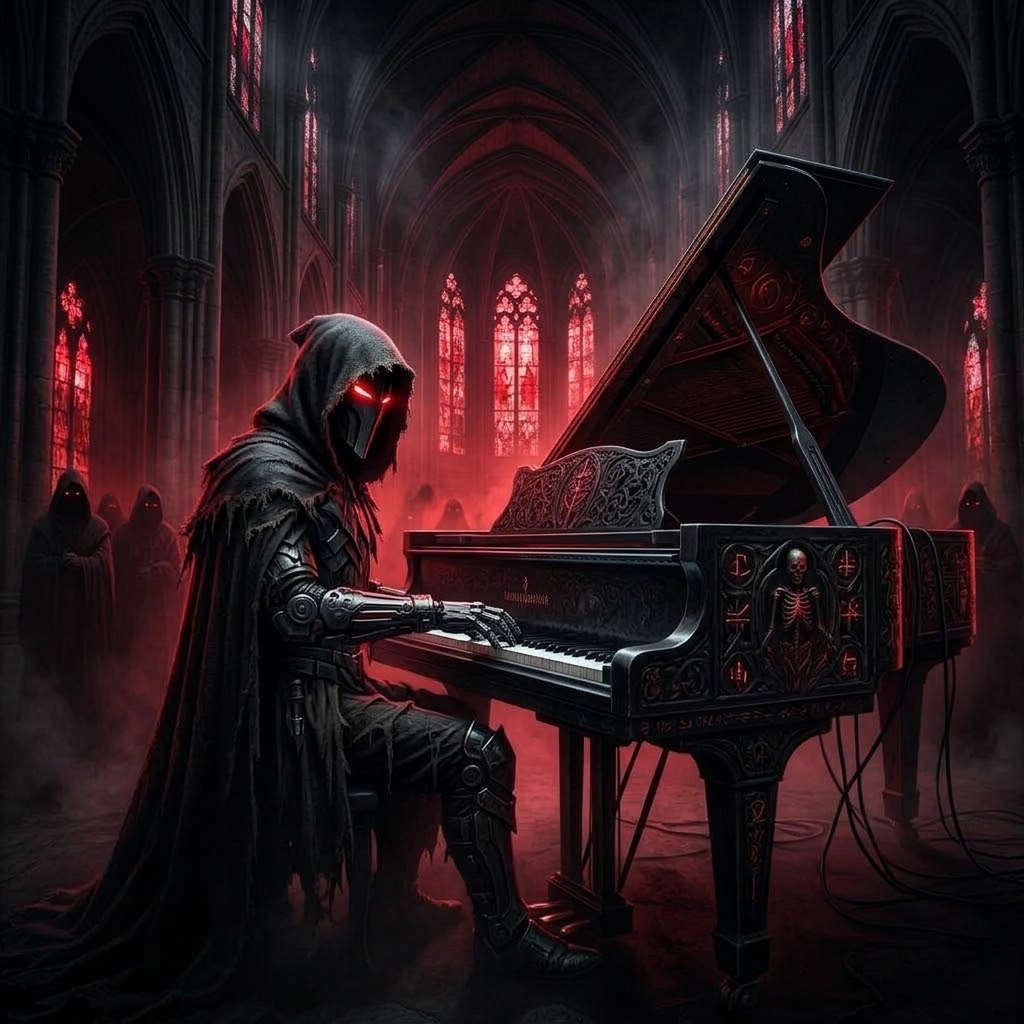
Piano Concerto No. 3 Composed under the influence of composers such as Stravinsky, Carl Orff, Hindemith, and Hans Zimmer, as well as New Objectivity, Neoclassicism, and Barbarism. The music blends intensity with subtle hints of the Renaissance and the Middle Ages. While he had previously composed piano concertos in the style of Romanticism and Beethoven, No. 3 is a contemporary work. It possesses a tragic intensity that seems to tear apart the subtle classical tones. Some listeners may perceive the music here as a certain violence. And that's fine. If music reflects human emotions and human activities, then it's impossible for only peaceful and beautiful music to exist. It's as if it were a microcosm of the real world. 1st Movement: "Heat of triste" The music begins with a Baroque impression reminiscent of Bach's concertos, and gradually increases in tragic intensity. Roaring brass and a pensive piano solo are gradually engulfed in the increasingly intense, tragic tones. Throughout the movement, the classical-baroque structure remains constant, but the piece seeks to express "modern sadness." Movement 2: "Nostalgia" As the title suggests, this is music that evokes longing for the past. Modal melodies are used extensively, further enhancing the sense of nostalgia. This movement could be considered the salvation and healing of the entire piece. Movement 3: "Transience" As if the nostalgic world of the second movement was a fleeting dream, the music bustles about, producing tragic sounds here and there. In this movement, even the piano can no longer hold back the events. Where are we headed? ピアノ協奏曲第3番 ストラヴィンスキー、カール・オルフ、ヒンデミット、ハンス・ジマーなどの作曲家の作風と新即物主義、新古典主義、バーバリズムの影響下に制作された。 激しさとルネサンス,中世の微かな響きが混じり合う音楽。 これまでロマン派風,およびベートーヴェン風のピアノ協奏曲を制作してきたが、第3番は現代風の作品となった。それも、うっすらと漂う古典的な色調を引き裂くように現れる、悲劇性を伴った激しさを持つ協奏曲となった。 ここでは,聴き手によっては音楽はある種の暴力性を持ってその耳に届くだろう。それで良いのだ。音楽が人間の感情やその営みを映し出すものであるなら、平和で美しい音楽だけしか存在しないということはあり得ないのだ。 あたかも現実世界の縮図のように。 第1楽章 「悲しみの熱」 バッハの協奏曲を彷彿とさせるバロック的な印象の出だしから、音楽は悲劇的な激しさを増していく。咆哮する金管、思い悩むようなピアノのソロも熱量を上げてゆく悲劇的な音調の中に段々飲み込まれてゆく。 楽章全体を通じ、古典〜バロック的な構成は変わらないが表現しようとしているものは「現代の悲しみ」である。 第2楽章「懐古的」 題名通り、過ぎた昔を懐かしむ音楽。旋法的な旋律が多用され、より一層の懐かしさを表現する。 全曲中の救い,癒しとも言える楽章。 第3楽章「流転」 第2楽章の懐かしさに満ちた世界は儚い夢であったというかのように、音楽は忙しく動き回り悲劇的な響きをあちこちで生み出してゆく。この楽章ではもはやピアノも事態の進行を食い止める力にはならない。 我々は、どこに向かってゆくのだろうかー。
