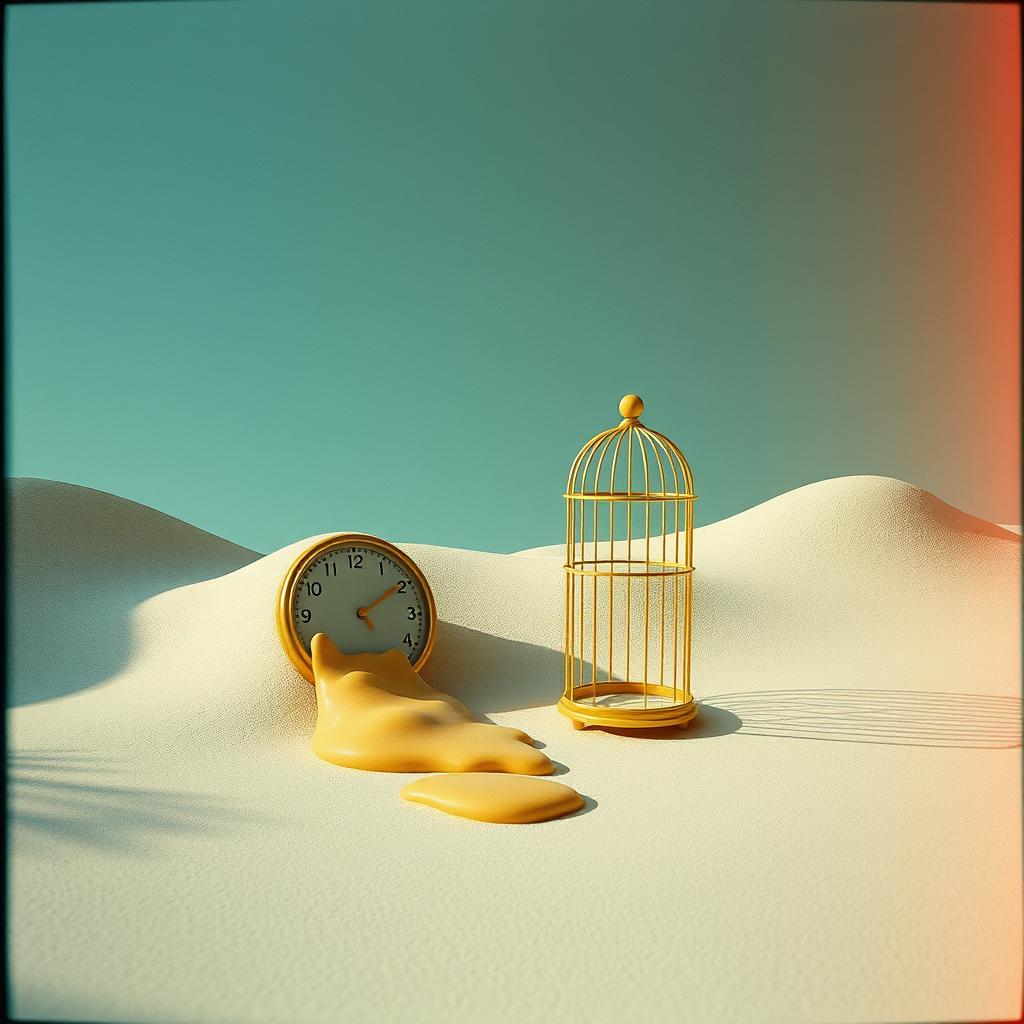

Everything changes, yet so much of our nature impulses us to be static, even statues, in an attempt to freeze our comfort zone and maintain familiarity and fame of the moment. We move in time but displacements in space may be more important, particularly when altering our place of residence. Shifts in culture and often language typically accompany this. Altering our location makes us look at familiar things anew, and new things for a first and possibly unsettling time. These things may rapidly become something we take for granted, or perpetuate as a source of confusion. We may come to adore or be repulsed by them, and we may long for or unpick previous roots. We bear and discern difference in newly discovered places. As familiarity encrusts itself, when our lives are settled and we consider a fixed place to be home, others arrive and we see them with anything from curiosity, fear, to indifference. The perceived legality of these movements, our altruism or insecurity – our political place – can impulse our hands to reach out to people as guests, or literally or metaphorically slap them as unwanted aliens. Moving as individuals and en masse is quintessentially human, and shapes our history. We build our sweet golden cages, but cannot hide from knocks or shocks: we must either open the door, ready for another bracing dawn, or stew in the shadows of our dungeon.
