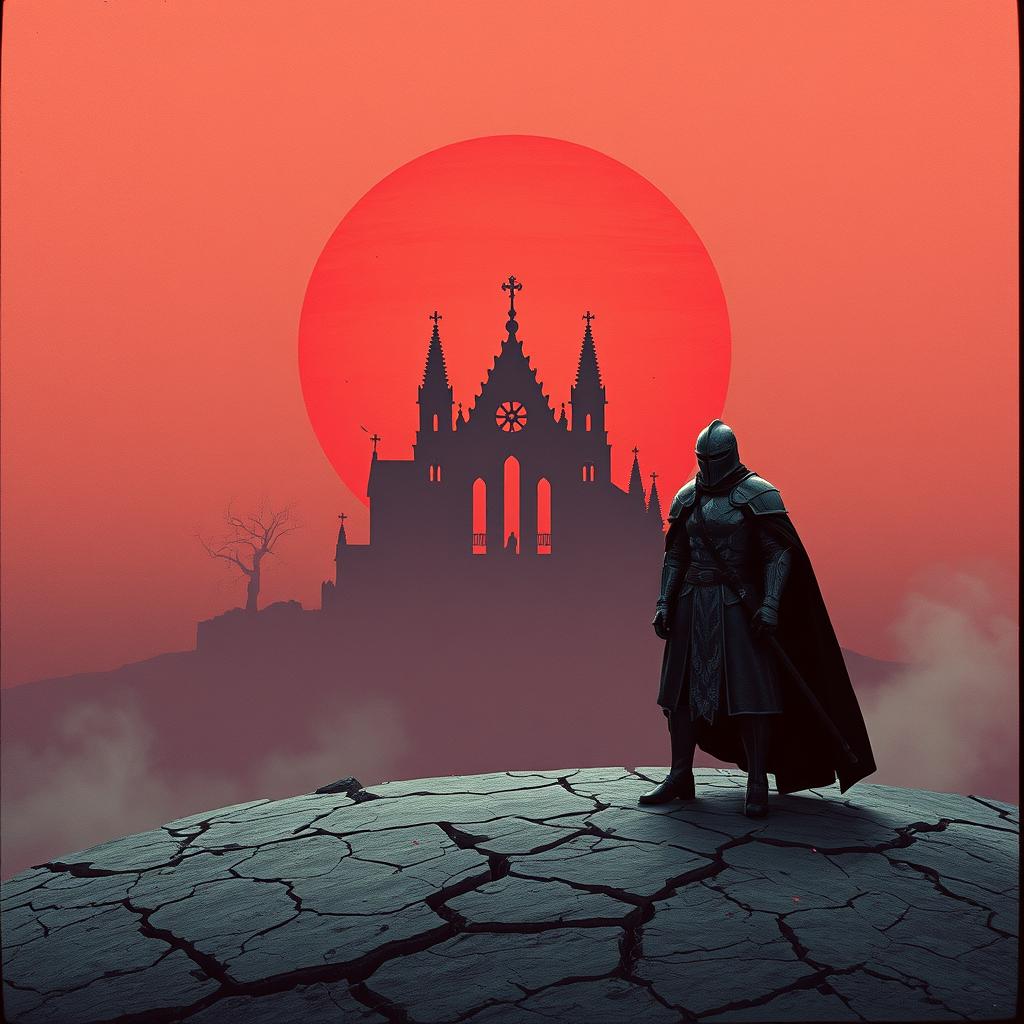
The Hell Gates were gone, but their shadow lingered. I returned alone. No banners flew above me. No host marched at my back. Where once the Paladin Order rode in thunder, now only my footsteps echoed through the broken roads. When I reached the Cathedral of Judgment, its doors stood open, its halls empty, its altars cold. Dust lay thick where thousands once knelt. The Order had not merely been defeated. It had been erased. I knelt where the High Council once sat and removed my helm. For the first time since the Hell Gates, I allowed myself to rest—and to grieve. I spoke every name I could remember. When my voice finally failed, I made a new oath, alone beneath shattered stained glass. The Light did not die. It was entrusted. ⸻ The First Sparks Rebuilding did not begin with armies. It began with people. I walked the scarred lands, armor mended but unadorned, no longer a symbol of power but of survival. I defended villages from the remnants of Hell—stray demons, restless dead, cultists who believed the world broken enough to claim. When they asked who I was, I did not give my title. “I am a paladin,” I said. “And I am still standing.” Some followed me out of gratitude. Others out of faith. A few out of rage. They were farmers who had taken up spears, soldiers who had lost their banners, priests whose gods had gone silent. They were unpolished, untrained, and afraid. I welcomed them all. The Light did not demand perfection. It demanded commitment. ⸻ A New Order, Forged in Ash I did not rebuild the old halls. Instead, we trained in ruined keeps, burned villages, and open fields where the scars of Hell were still visible. Every initiate learned the truth first: the Order can die. Oaths were not promises of victory—they were promises of sacrifice. I taught them what the Hell Gates had taught me. Hold the line, even when no one is coming to save you. Protect the innocent, even when it costs you everything. Lead from the front—or do not lead at all. There were no inherited ranks. No ceremonial titles. Advancement came only through service. Those who sought glory left quickly. Those who stayed became something stronger than knights. They became paladins who understood loss. ⸻ The Trial of Remembrance When our numbers reached a hundred, I led them back to the battlefield of the Hell Gates. Many faltered when they saw it. The earth was still blackened. Fragments of blessed steel jutted from the ground like grave markers. I ordered them to kneel—not to pray, but to listen. I told them the story of the fallen Order. I named every Justicar. Every captain. Every squire who had died holding a line that could not be held. “This,” I said, “is the foundation you stand upon.” Those who could not bear it left. Those who remained swore their oaths not to me—but to the fallen. That day, the Light answered again. Quietly. Steadily. ⸻ The Nearly Whole Years passed. The Order grew—not to its former glory, but to something truer. We did not number in the tens of thousands. We did not rule courts or command kings. But when darkness rose, we were there. When demons stirred, they found resistance waiting. The world stopped calling us extinct. They called us returned. I never reclaimed the throne of the High Council. I kept the title of High Justicar only as a reminder—not of authority, but of responsibility. The armor I wore bore the scars of the Hell Gates, and I refused to polish them away. Let them see the cost. The Paladin Order was not fully rebuilt. And that was the point. We were rebuilt enough. Enough to stand. Enough to protect. Enough to ensure that if Hell ever opened its gates again— It would remember us.
