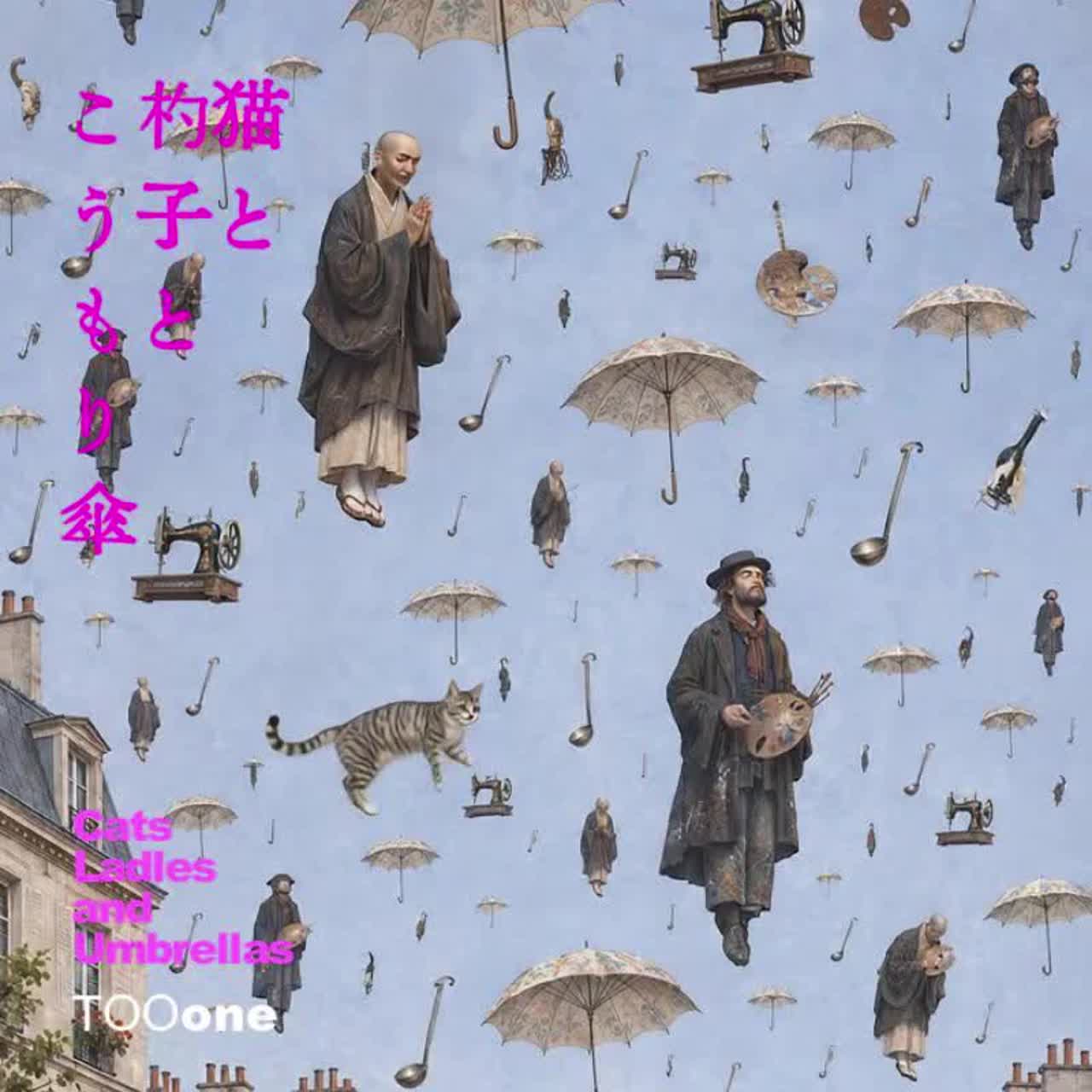

1990年代のフレンチ・ボッサをイメージしました。ボサノバの柔らかなリズムに、シャンソンの語り口、ジャズの浮遊感のある和声、ミニマルで洗練されたピアノ・アレンジ。派手な展開よりも、余白と親密な空気感を大切にしたスタイルです。 日本語で歌うと、どうしてもJ-POPの引力に引っ張られるのは仕様です(笑)。 Inspired by the French bossa sound of the 1990s: gentle bossa nova rhythms, conversational chanson-style vocals, floating jazz harmonies, and elegant, minimalist piano arrangements. The emphasis is on intimacy, space, and understated sophistication rather than dramatic arrangements. And when you sing in Japanese, the gravitational pull of J-pop is practically a built-in feature. (LOL) ---------------------------------- 🎶 Produced by TOOone ---------------------------------- 🎵Remaster 猫と杓子(公開終了) https://suno.com/song/f95d07d4-bf5e-4c10-b1de-4a008e6dcefb 🎵 Music & Arrangement: SUNO ver.6 🎹 Structure & Chord Plan: TOOone with Cubase 15 Key: Cm Tempo: 156 [イントロのコード進行] |Fm7 | Bb7 | Ebmaj7 | C7 /C7(♭9) | Fm7♭5/G7on F | G7 | G7 | G7 🥄🐈 🎧 Genre Styling: [Chicago blues ] ✖[*Americana] 🥄🐈 🎨 Cover Art Plan: TOOOne 🖌️ Illustration: GPT2.5 🎬 Music Video: ・Generation: FLOW(Veo3.1 LITE ) ─────────── 無常の風が 吹き抜ける寺 一休*1が笑う 死は平等だと 釈迦も 達磨も 猫も 杓子も 誰もがいつか 土に還るなら いっそ踊ろう この世の端で 言葉遊びに 心を奪われ 応挙*2は猫に 手ぬぐいを被せ 蕪村*3は杓子に 着物を着せた 「道理に合わぬ」と 馬琴*4は眉をひそめたが 筆は止まらない 異質なものの宴 やがて時代は巡り 19世紀末のパリ 石畳の向こう 誰かが囁く Tu ne te trompes pas entre un parapluie et une machine à coudre ? それは、こうもり傘とミシン*5の間違いじゃないか? 冷たい手術台の上 雨をはじく翼と 布を縫う鉄の針 交わるはずのない 二つの影が横たわる 江戸のことばあそびと パリのシュールが 時空を超えて 縫い合わされる 意味などいらない 理屈もいらない 猫も杓子も 傘もミシンも ただそこにある 偶然の奇跡 世界がふいに 美しさに変わる瞬間 イメージの境界を 超えようとする 天才たちの ことばあそび ─────────── 一休*1 15世紀日本の禅僧、「生まれては死ぬるなりけりおしなべて 釈迦も達磨も猫も杓子も」という句から広まったという説がある 応挙*2 円山応挙 (1733-1795)江戸時代中期~後期の絵師。 蕪村*3 与謝蕪村(1716 - 1784)は、江戸時代中期を代表する俳人 馬琴*4 曲亭 馬琴(1767-1848)は、江戸時代後期の戯作者、猫と杓子の由来、異説を唱えた こうもり傘とミシン*5 ロートレアモン/ロートレアモン伯爵,詩人(1846 - 1870) の「マルドロールの歌」の中の一節から ─────────── Cats, Ladles, and Umbrellas ─────────── The winds of impermanence Blow through an old temple. Ikkyu*¹ laughs and says, "Death treats everyone equally." Buddha and Bodhidharma, Cats and ladles, everyone alike. If we all return to dust someday, Why not dance At the edge of this world? Fascinated by the play of words, Ōkyo² puts a towel on a cat's head, And Buson³ dresses a ladle in a kimono. "That makes no sense!" Bakin*⁴ frowns in disapproval. But the brushes keep moving, Creating a carnival of unlikely things. Time moves on, And we arrive in Paris, 1900. Beyond the cobblestone streets, Someone whispers: [French Speaking] Tu ne te trompes pas entre un parapluie et une machine à coudre ? [Are you confusing an umbrella with a sewing machine?] On a cold operating table, A wing that keeps away the rain, And an iron needle that stitches cloth. Two things that should never meet Lie side by side, Casting their strange shadows. Wordplay from old Edo And surrealism from Paris Are stitched together Across time and space. No need for meaning, No need for logic. Cats and ladles, Umbrellas and sewing machines. Simply being there together, A miracle of chance. A moment when the ordinary world Suddenly turns into something beautiful. The wordplay of brilliant minds, Trying to cross The boundaries Of imagination. Notes─────────── 1. Ikkyu (15th century) A Japanese Zen Buddhist monk known for his unconventional wisdom and humor. One theory traces the popular expression "neko mo shakushi mo" (literally "cats and ladles," meaning "everyone and everything") to a verse attributed to him. The verse says that everyone, including Buddha, Bodhidharma, cats, and ladles, must eventually die. 2. Maruyama Ōkyo (1733–1795) A prominent Japanese painter of the Edo period, known for combining careful observation with traditional Japanese painting. 3. Yosa Buson (1716–1784) One of the leading haiku poets of the Edo period, also celebrated as a painter. 4. Kyokutei Bakin (1767–1848) A popular novelist of the late Edo period who proposed a different explanation for the origins of the expression "neko mo shakushi mo." 5. The Umbrella and the Sewing Machine A reference to a famous image from Les Chants de Maldoror (The Songs of Maldoror) by the French-language poet Comte de Lautréamont (1846–1870). His description of the unexpected meeting of a sewing machine and an umbrella on a dissecting table later became a celebrated symbol of Surrealism. The song connects this image with the playful imagination of Edo-period Japan, bringing two very different worlds together through the beauty of unexpected combinations.

0/500