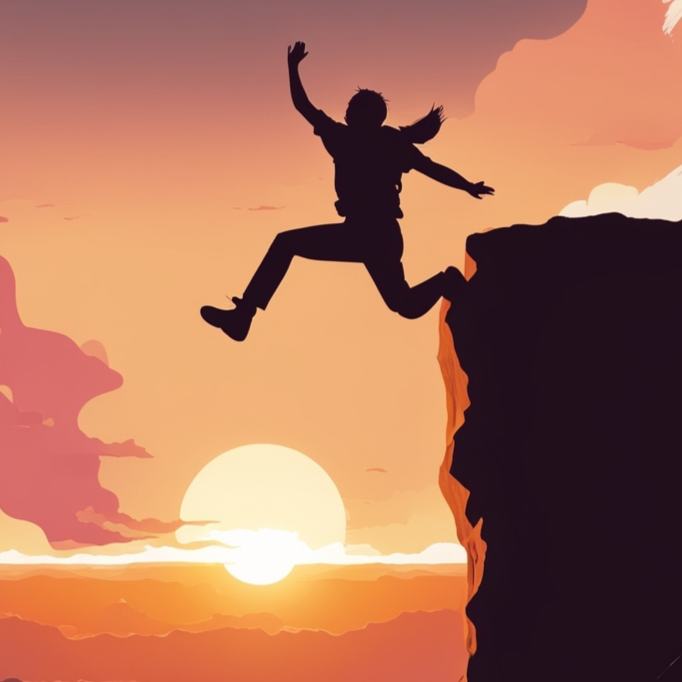

"Only those who will risk going too far can possibly find out how far one can go." This quote by T.S. Eliot captures the core of courage—pushing beyond limits to discover our true potential. But what exactly is courage? Is it the absence of fear? Not at all. According to various insights, courage involves feeling fear and choosing to act despite it. "Courage is not simply the absence of fear, courageous people do feel fear, but they are able to manage and overcome it so that it does not stop them from taking action." Fear signals danger and is a natural human emotion. While it can be paralyzing, true courage recognizes fear and acts in spite of it. Courage manifests in many ways. It’s not only shown in heroic deeds but also in everyday acts—speaking up, admitting mistakes, or standing firm on values. It’s about resilience—persisting despite setbacks. For example, learning a new skill like a language can be daunting. I faced fears of embarrassment but pushed through, and that act of persistence was a form of courage. There are different types of courage. Moral courage involves standing up for what is right, even when it’s difficult or risky. Rosa Parks’ refusal to give up her bus seat exemplifies moral bravery. Physical courage is risking one’s safety—firefighters or soldiers risking their lives to save others. Emotional courage involves confronting internal fears—admitting faults, seeking help, or showing vulnerability. Psychological courage is about facing internal doubts—pursuing dreams despite fears of rejection. Each form contributes to personal growth and societal change. Courage is essential because it enables us to grow, live authentically, and inspire others. It pushes us beyond comfort zones, leading to new opportunities and insights. Living courageously allows us to pursue passions and align our actions with our core values. Acts of bravery, big or small, influence those around us, creating a ripple effect of inspiration. In my own life, courage has been vital. Deciding to learn a language was intimidating, but I persisted despite setbacks. This reinforced that acting despite fear is a form of bravery that leads to growth. Recognizing the balance between fear and courage is crucial. Fear is natural, but managing it allows us to act bravely, like skydivers trusting their training or speakers pushing through anxiety because they believe in their message. Although cultivating courage takes time, every small act builds resilience. History shows many courageous individuals—Nelson Mandela enduring decades of imprisonment, Marie Curie breaking societal barriers, Greta Thunberg risking her safety to fight climate change—that demonstrate how bravery can transform lives and societies. In conclusion, courage is feeling fear and acting despite it. It’s a vital trait that fosters growth, authenticity, and societal progress. As Eliot said, only those willing to risk going too far will discover how far they can go. Embracing courage unlocks our true potential and leads to a meaningful life.
