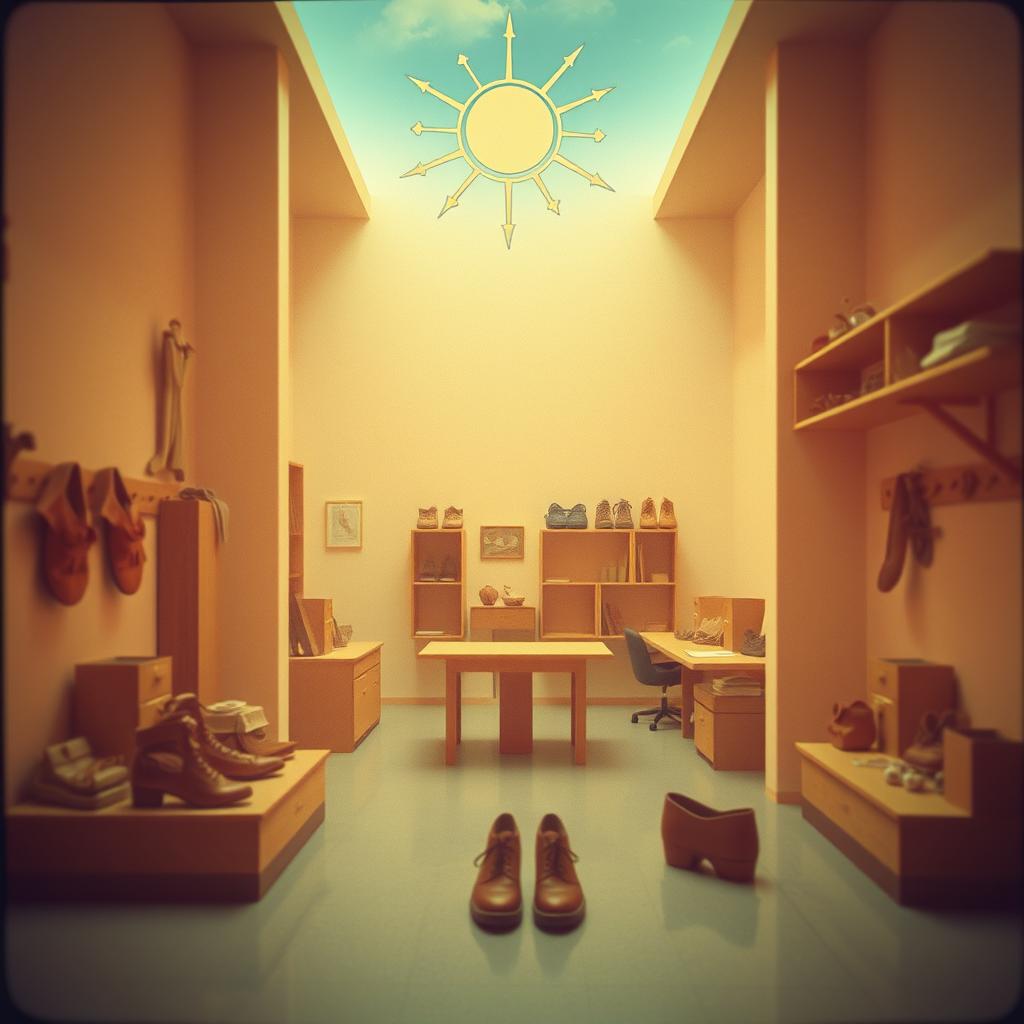
Le cordonnier, rue des Patriotes
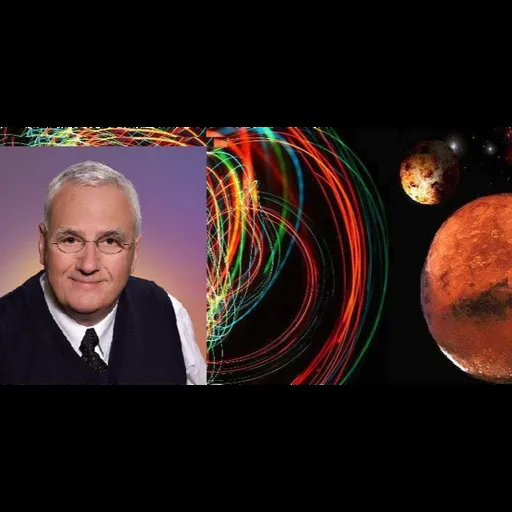
The Shoemaker He was born one year after the Second World War. He has seen seventy-nine summers, born in Syria and trained in Lebanon. A photograph of him bears witness to his gentle face, taken in his tender years. He is a grandfather, with a graying beard and hair, his eyes sparkling before a simple pair of shoes. I brought him my boots today to have them waterproofed. — Ah, he told me, you say they are fifteen years old? They’re of good quality. The leather is not worn; it’s of good quality indeed. Once the clinical inspection was complete, the prognosis promised a solid winter ahead. — With the treatment I’ll give you, water will glide and bead with ease. It is so comforting to consult a man who knows the art of repairing, preserving, and crafting shoes, and who also knows how to use the proper tools: the tranchet, a knife of dexterity, and the awl, that skilled piercer and stitcher. As in the language of shoemaking, he takes life by the bonbout, for the sure protection of the heel, the sole guard for the sole’s defense, and the inner sole of cleanliness — that inner layer, the equivalent of the soul in a priest’s office. Praised even in Parliament for his techniques, including the assembling, the fitting of the shoe form, and the work of full-grain leather, renowned for its quality, he is a master shoemaker. The shop of Mr. Sarkis Berejikian is Cordonnerie Jean-Pierre Two, in the heart of old Sainte-Rose, Laval, a typical business registered on Rue des Patriotes since nineteen ninety-four. Arriving in February nineteen eighty-eight, he opened his shoemaking shop in nineteen ninety-one. The man is kind. His shop window, set in a red brick wall, is adorned with boots and the drawing of a key — for he can reproduce them like a locksmith. He works quickly, with agility. His prices are fair and well justified. Lined along the walls, on varied shelves: family photographs, two sombreros, two huge horns, and the statue of a winged angel dressed as in the time of the First Nations. Chairs are arranged before the workbenches, and a shoemaker’s machine stands ready for the repair of shoes, of footwear or stylized leather goods. The repair stitches must be strong — for this reason, these machines make a tight, knotted stitch. The atmosphere is warm and unusual, for it’s not every day one visits one’s shoemaker. When I entered, he was mending a waterproofed pair of pants with a patch, and he told me: — As my father used to say, in life, you must know how to cut well, and to cut well, you must first know how to measure. I thought to myself that perhaps, when his day is done, Mr. Berejikian secretly fashions galaxies, nebulae, and fragments of the Milky Way. The wisdom of a shoemaker may well be that of an alchemist of golden constellations.
