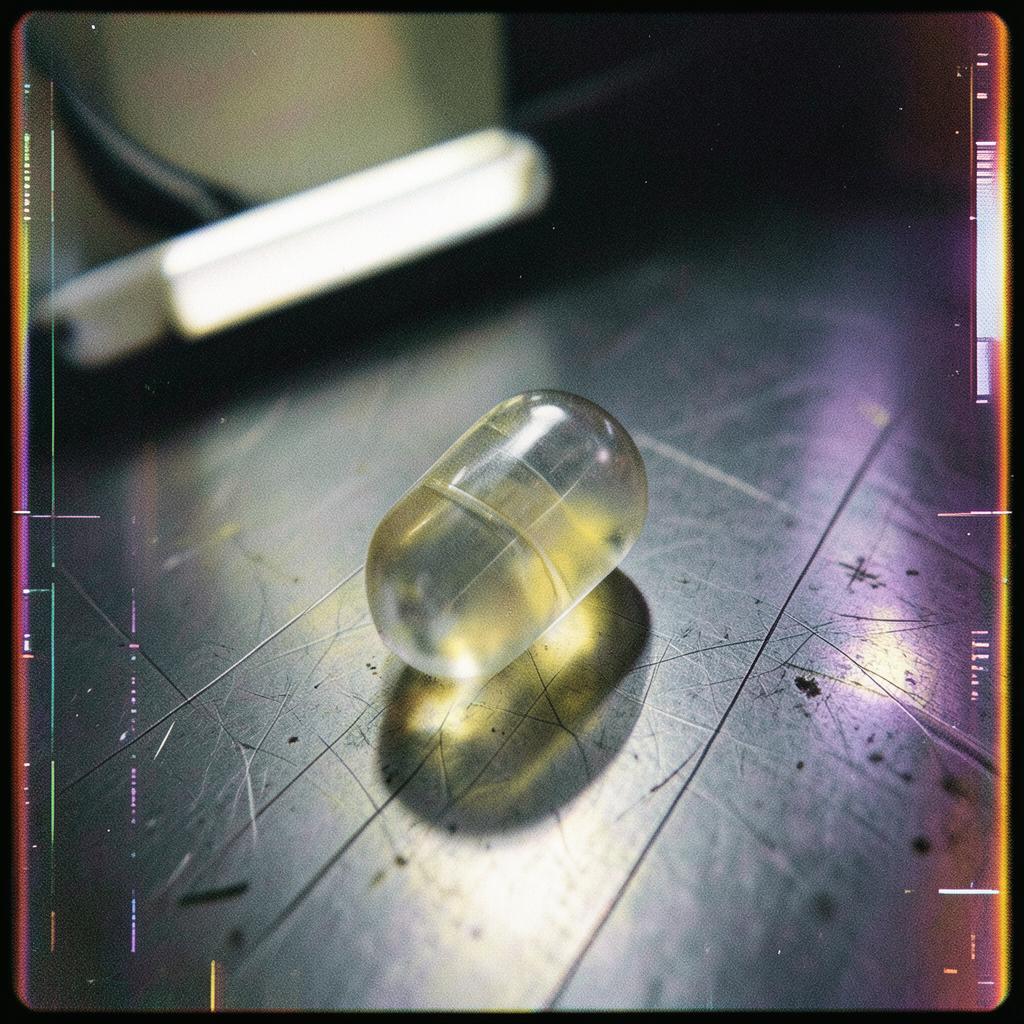

1.5.2 OTHER CENTRAL NERVOUS SYSTEM DEPRESSANTS The oldest of the synthetic sleep inducing drugs dates back to 1862. Chloral hydrate is marketed as a soft gelatinous capsule under the name Noctec® , and controlled under Schedule V. Its popularity declined after the introduction of barbiturates. Barbiturates are the drugs prescribed most frequently to induce sedation. Roughly 15 derivatives of barbituric acid are currently in use to calm nervous conditions. In larger doses they are used to induce sleep. The actions of barbiturates fall into four categories. Some of the ultrashort acting barbi- turates are hexobarbital (Sombulex®), methohexital (Brevital®), thiamylal (Surital®), and thio- Clandestine laboratory synthesis of methaqualone. pental (Pentothal®). Short-acting and intermediate-acting barbiturates include pentobarbital (Nembutal®), secobarbital (Seconal®), and amobarbital (Amytal®). These three drugs have been among the most abused barbituric acid derivatives. Also included in these categories but not as abused are butabarbital (Butisol®), talbutal (Lotusate®), and aprobarbital (Alurate®). The last category is the long-acting barbiturates. These drugs are used medicinally as sedatives, hypnotics, and anticonvulsants. The group includes phenobarbital (Luminal®), mephobarbital or methylphenobarbital (Mebaral®), and metharbital (Gemonil®). Three other CNS depressants that have been marketed as legitimate pharmaceutical preparations and have a history of abuse include glutethimide (Doriden®), methaqualone (Quaalude®, Parest®, Mequin®, Optimil®, Somnafac®, Sopor®, and Mandrax®), and meprobam- ate (Miltown®, Equanil®, and SK-Bama
