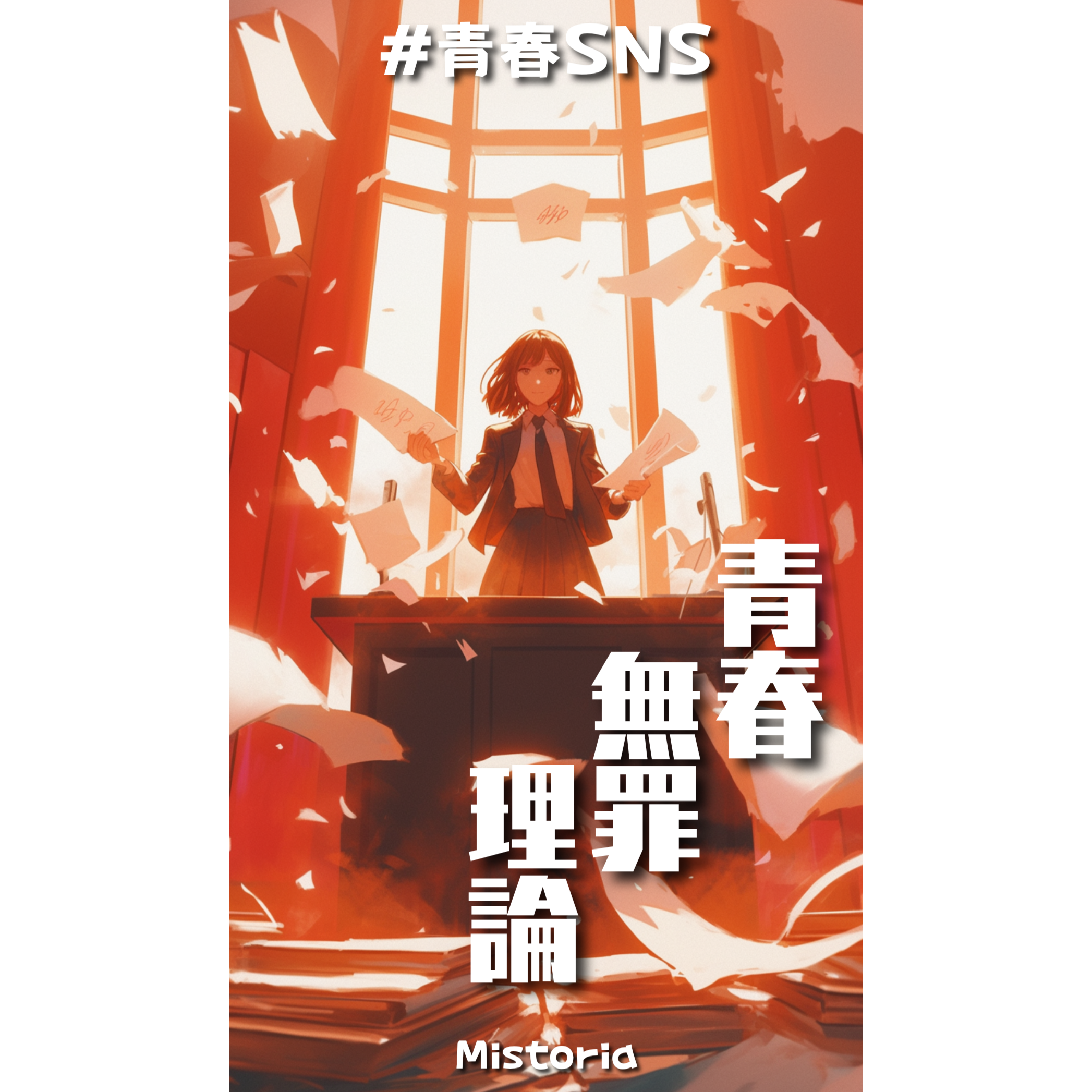

少年少女たちは、 「正しさ」という法廷に立たされていた。 遅刻も、嘘も、傷も、すべてが罪状。 それでも彼らは叫ぶ── 「この罪は、青春謳歌罪。 判決:無罪。」 法廷の鐘が鳴り終わるころ、 紙吹雪のように舞う判決文には、 “生きていた証” という言葉が滲んでいた。 [Lyrics] 開廷──少年少女、被告人として立て 罪状:「青春謳歌罪」、心証良好にて弁明不能 異議あり、世界! 正しさはいつも後出し 判決前のこの瞬間が 一番、生きてる 黒板の上で鳴った鐘が 人生最初の警鐘だった 遅刻・告白・未提出 全部まとめて「情状酌量」 机の中で眠る日記は 供述調書みたいな夢 証拠は涙、記憶は弁護 罪も愛も 混ぜてしまえ 誰かが決めた量刑じゃ 心は量れないから 間違いも矛盾もぜんぶ 「存在証明」に変えてみせる 判決:無罪 青春、継続審理中 笑って泣いた 全部証拠採用 君を愛した それで十分だ 僕らの罪状、人生未遂 有罪でも ここにいた それを理由に 赦してくれ 誰にも真似できない判例 名付けて「青春無罪理論」 目撃者は夜風とギター ノートに残る音の遺言書 告白も沈黙も どちらも正解 裁けるのは神じゃなくて僕ら 恋の証人、友情の検察 理想と現実の尋問が続く 嘘も祈りも全部 本音だろ? ここが人間の法廷だ 「正しさ」って誰の基準だ 「赦し」ってどこから来るんだ 未成年の哲学で 明日を弁護する 判決:無罪 連帯責任 心証良好 涙も全部 証拠採用 過去を愛した それでいいんだ 間違いの中にしか真実はない 有罪でも ここにいた それを理由に 生きてくれ すべての叫びが証言になる 名付けて「青春無罪理論」 静寂、閉廷。証言台に立つ自分。 「君を傷つけたのは、僕だ」 でも、誰かを想えたことが もう、それ自体が赦しだった 判決:無罪 少年少女たちへ この衝動を 証拠に残せ 罪名:「青春謳歌罪」 執行猶予、永遠でいい 矛盾も涙も 歌にすれば 全部、無罪になる ここに在るすべてが真実 立て、被告人たち──未来は続く ========================== Title: The Theory of Youthful Innocence Boys and girls stand before a court of "righteousness." Tardiness, lies, injuries—all are charges. And yet they cry out: "This crime is the crime of enjoying youth. Verdict: Not guilty." As the courtroom bell finishes ringing, the verdict, dancing like confetti, is blurred with the words "proof of life." [Lyrics] Court begins—boys and girls stand as defendants. Charge: "Enjoying youth." The conviction is strong, and they are incapable of defense. Objection, world! The truth is always revealed after the fact. This moment before the verdict is the most alive. The bell ringing on the blackboard was the first wake-up call of my life. Lateness, confession, failure to submit All of this is summed up as "extenuating circumstances." The diary sleeping in my desk is like a dream transcript. Tears are evidence, memories are defense. Let's mix guilt and love together. Because the heart cannot be measured by a sentence decided by someone else, I will turn all my mistakes and contradictions into "proof of existence." Verdict: Not Guilty. Youth Continues. During the trial We laughed and cried. All evidence accepted. I loved you. That's enough. Our charges: attempted suicide. Even if I'm guilty, I was here. Forgive me for that. A precedent no one can imitate. I call it the "Youthful Innocence Theory." The witnesses are the night wind and the guitar. A note of sound remains in the notebook. Confession and silence are both correct. We, not God, can judge. Witness to love, prosecution of friendship. The interrogation of ideals and reality continues. All lies and prayers are true, right? This is the human courtroom. Whose standard is "righteousness"? Where does "forgiveness" come from? Defend tomorrow with the philosophy of a minor. Verdict: Not guilty, joint responsibility, good impression. All tears accepted as evidence. I loved the past. That's all I need. The truth lies only in mistakes. Even if I'm guilty, I was here. Live for that. Every cry becomes testimony. I call it the "Youthful Innocence Theory." Silence adjourns. I stand on the witness stand. "It was me who hurt you." But the fact that I was able to think of someone else was already forgiveness in itself. Verdict: Not Guilty, To All Boys and Girls Leave this impulse as evidence. Charge: "Enjoying Youth." A suspended sentence would be fine, forever. If I turn my contradictions and tears into songs, I'll be found innocent. Everything here is the truth. Stand up, defendants—the future continues.
