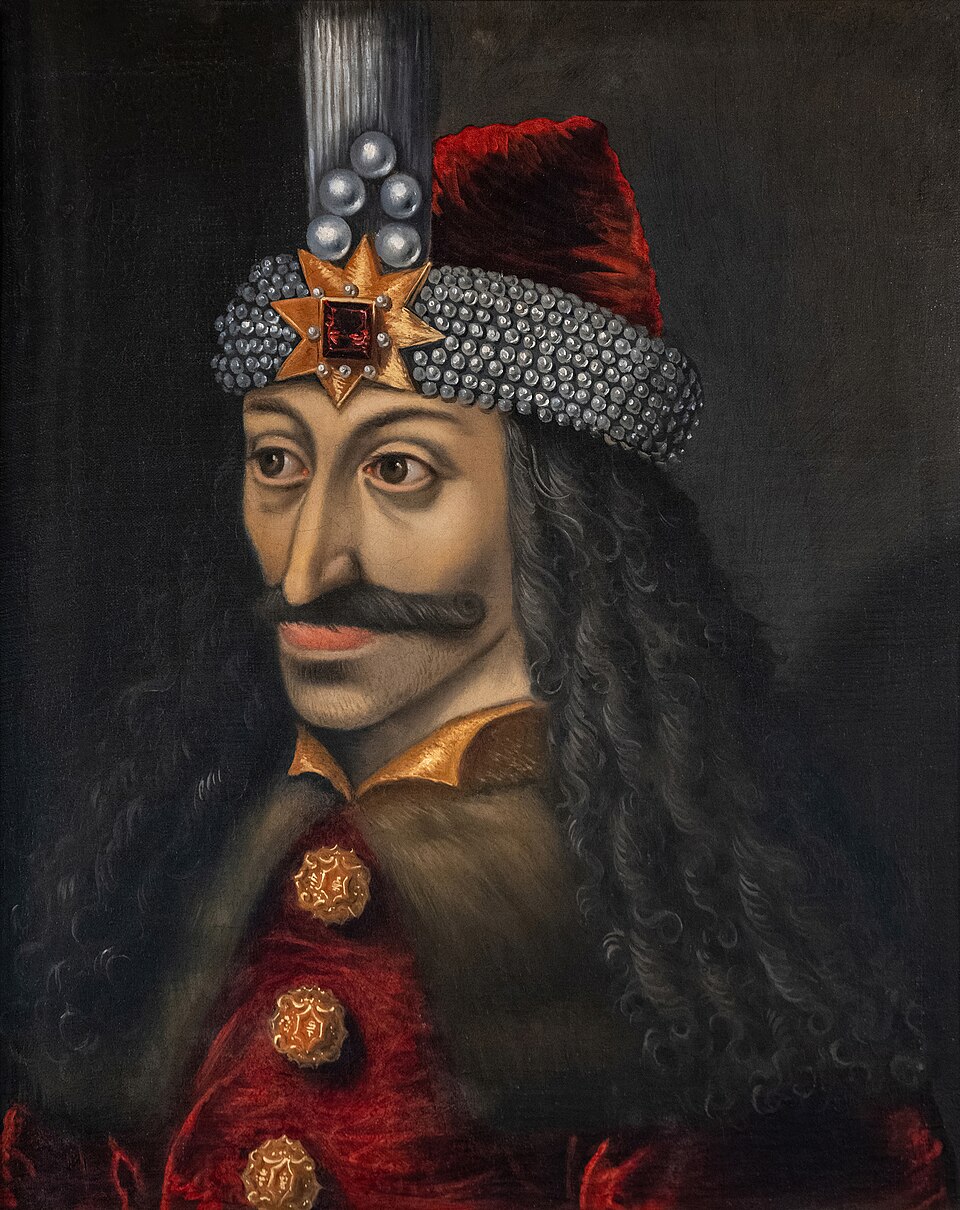
Dracula Origins

[Intro, Women Choir] (În negura vremii se-nalţă un strigăt) (Strămoş al păcatului, al focului şi al sângelui) (Fiul dragonului străluceşte în noapte) (În inima Valahiei se naşte o legendă) [Verse 1] I speak of a child born in 1431, in the rugged hills of Transylvania, Vlad, son of Vlad II Dracul. His father, a member of the Order of the Dragon, carried the name "Dracul", the dragon. It was fearsome, blessed and cursed all at once. The young Vlad grew up amid shifting loyalties, his family steeped in the politics of Wallachia and his destiny marked by his father’s oath and gruesome reputation. [Pre-Chorus] I tell his youth, shadowed by ambition, devotion and dread. A boy held hostage at the Ottoman court, torn from home, hardened by exile, watching empires from within. [Chorus, Women Choir] (Legat de zorii lumii, privirea i-a fost străină) (Inima lui bate, dar ecoul lui nu-l eliberează) [Verse 2] He returns to Wallachia, after his father’s death and his brother’s betrayal. The throne is unstable, boyars plotting, allies shifting like sand. Vlad, newly grown, feels the weight of his bloodline, to regain his inherited lands, to enforce justice by his own iron will. He sets his eyes on power, knowing that peace will come only through strength... and strength... demands sacrifice. [Pre-Chorus] And so he builds his legend one stake at a time, his preferred punishment: impalement. He plants forests of sharpened wood, a grim warning to all who would dare challenge him. [Chorus, Women Choir] (Măcelul e cântecul lui, şoapte de lemn răsună) (În inima ţinutului, groază se adună) [Verse 3] Vlad fights fiercely, against boyars, against the Ottomans. In 1462 he stages a daring campaign, striking at the heart of the empire. His cruelty is legendary and so is his strategy. He does not merely kill, he terrifies. When he withdraws, behind him lie thousands of impaled bodies, a grim tableau meant to paralyze any who might follow. But soon power turns against him and he is seized by his enemies. Captured and imprisoned by the Hungarians, he is forced into exile and into silence. Hardship becomes his companion, betrayal his shadow. Yet in captivity his resolve hardens. He dreams not only of revenge... but of legacy. A name that will echo long after his body is gone. [Pre-Chorus] In darkness he kneels, in shadow he plans. A Voivode bound by chains but unbroken in spirit. His suffering fuels a metamorphosis, not of flesh but of reputation. [Chorus, Women Choir] (Lanțurile îl ţin, dar nu-i frâng voința) (Sub piatră și sub sânge renaște o ființă) [Verse 4] He dies in battle in 1476, or perhaps in treachery, the exact details are murky. His burial place debated. A monastery, a fortress, even whispers of escape. Yet his name, Dracula, "son of Dracul", endures, for his father was Dracul, the dragon, and in him that legacy was born. Over time, myth swallows history. The tyrant becomes a monster, a count, a vampire in the darkness of imagination. [Pre-Chorus] He is both man and legend, prince and specter, his story bleeding into myth, until "Dracula" is whispered as a name of fear, mystery and immortal dread. [Chorus, Women Choir] (S-a stins lumina lui în noaptea veşnică) (Dar ecoul dragonului nu moare niciodată) [Outro, Women Choir] (Acesta este strigătul lui, povestea ce nu piere) (În sânge și fum, se naşte legenda) (Dracula, fiul dragonului, domn etern) (În întuneric, ecoul lui va trăi)
