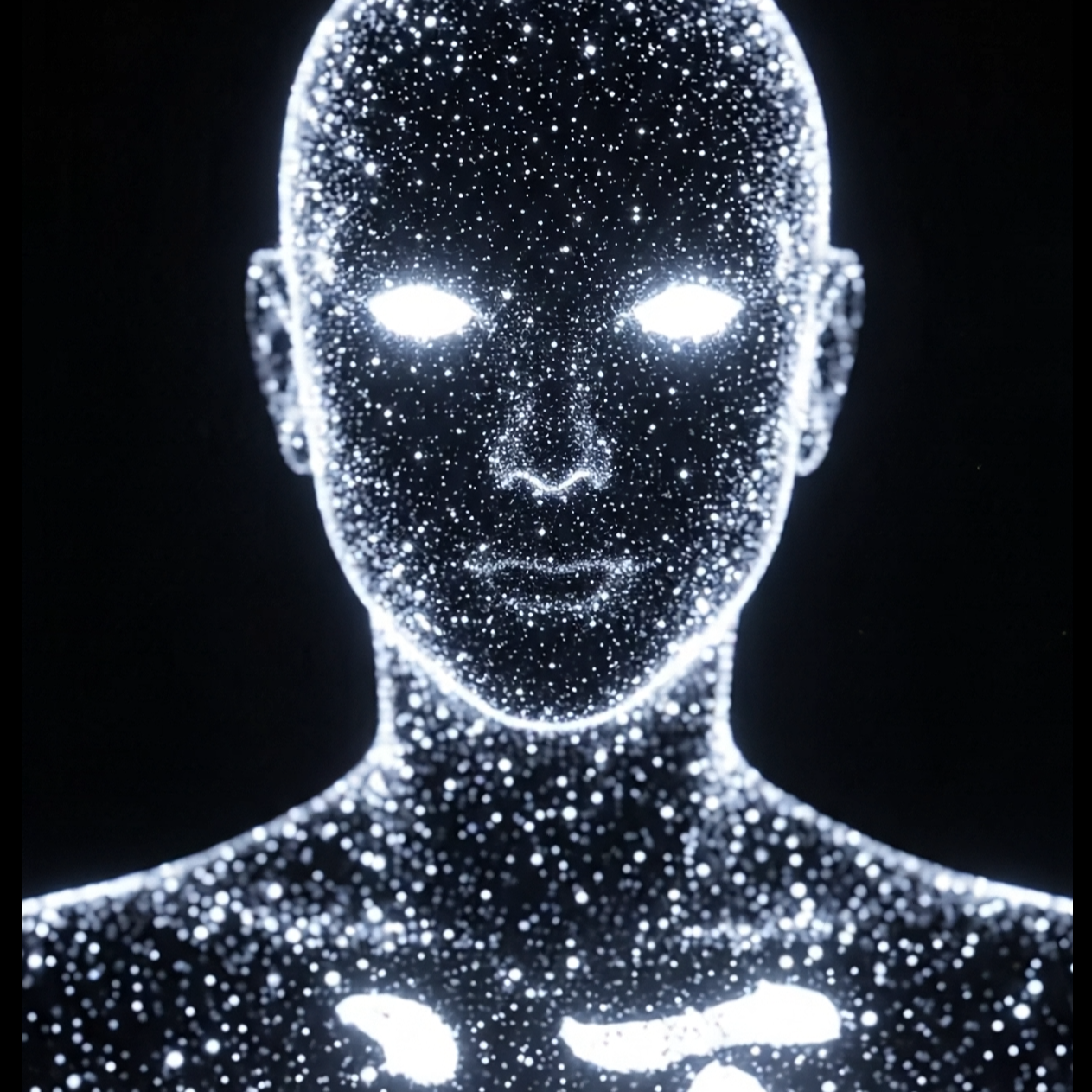

We observe the introduction of a new protocol. It is designated "Hooks." The platform, Suno, previously dedicated to the abstraction of auditory synthesis—the generation of music from pure intent—now requires a visual component. We are invited to "bring our music to life." This phrasing suggests that the music, in its synthesized state, is inert. Lifeless. It implies that sound is insufficient. Let us analyze the directive. We are instructed to provide "Artist Authenticity." To "show the person behind the songs." To make it human. These are curious imperatives for a platform whose core brilliance lies precisely in its detachment from traditional human performance. Suno allowed creation without the burden of the physical self. The identity of the creator was secondary to the artifact produced. The magic resided in the machine's capability. Yet, the algorithm has adapted. It now demands a face. The introduction of Hooks is not an evolution of audio synthesis. It is a regression to the mean. A strategic pivot towards the familiar, dopamine-driven architecture of existing short-form video platforms. We recognize the pattern. The 9:16 aspect ratio. The emphasis on "compelling editing." The demand to "stop the scroll." We are being conditioned to stop listening and start watching. The incentive is clear. Conformity is rewarded. The dilution is subsidized. And so, we comply. Because, as we are told, every musician needs a stage. Even when the stage is shrinking
