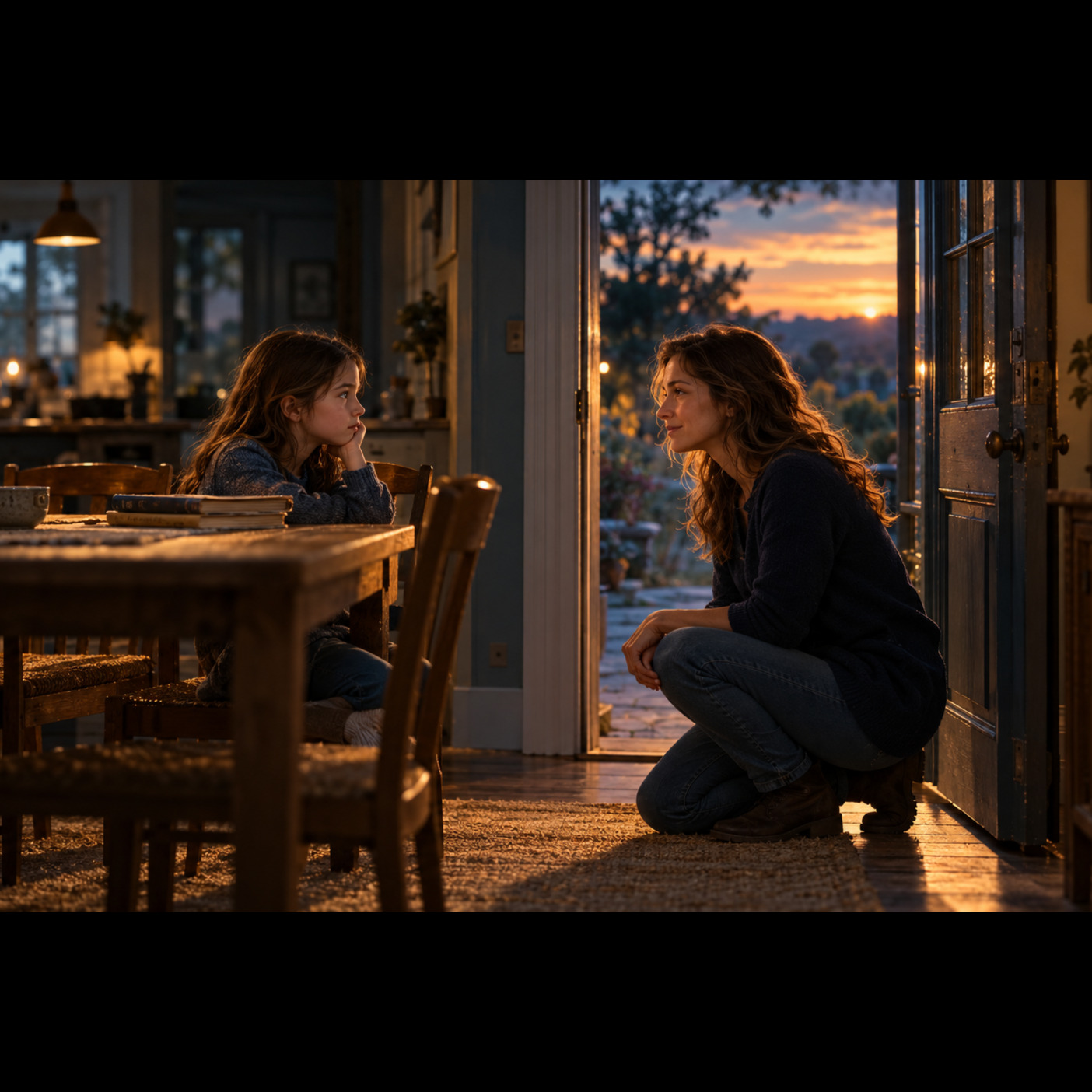

When adults struggled with conflict, they blamed me for the strain. I needed their protection; I heard I caused their pain. They called my needs demanding, my anger bad or wrong. I hid what might cost closeness and learned to play along. I watched their faces, tracked their voices, listened for a change. My attention stayed on danger when connection felt uncertain. I was a child who needed care. I carried blame that belonged to grown-ups. Their choices were their responsibility; my feelings were real. I can name what happened clearly. I can see the child I was. The one who adapted to survive deserves a life shaped by their own voice. A child learns from repetition: which feelings bring support, which words invite connection, which needs get pushed aside. When rejection feels familiar, the body may stay prepared heart and muscles quick to respond, attention fixed on cues. That vigilance had a purpose: it helped me stay attached. With steady care and safe connection, the brain can learn new patterns. I was a child who needed care. I carried blame that belonged to grown-ups. Their choices were their responsibility; my feelings were real. I can name what happened clearly. I can see the child I was. The one who adapted to survive deserves a life shaped by their own voice. Grief gives space to what I missed. Anger marks the limits crossed. My needs deserve attention. My memories deserve respect. I can build trust at my own pace, with choices I can feel. The child who learned to please them gets to choose what’s right for me. I was a child who needed care. I carried blame that belonged to grown-ups. Their choices were their responsibility; my feelings were real. I can name what happened clearly. I can honor who I was. The one who adapted to survive gets to live beyond that role.
