Growing Up in Edmonton ( Chapter 4)

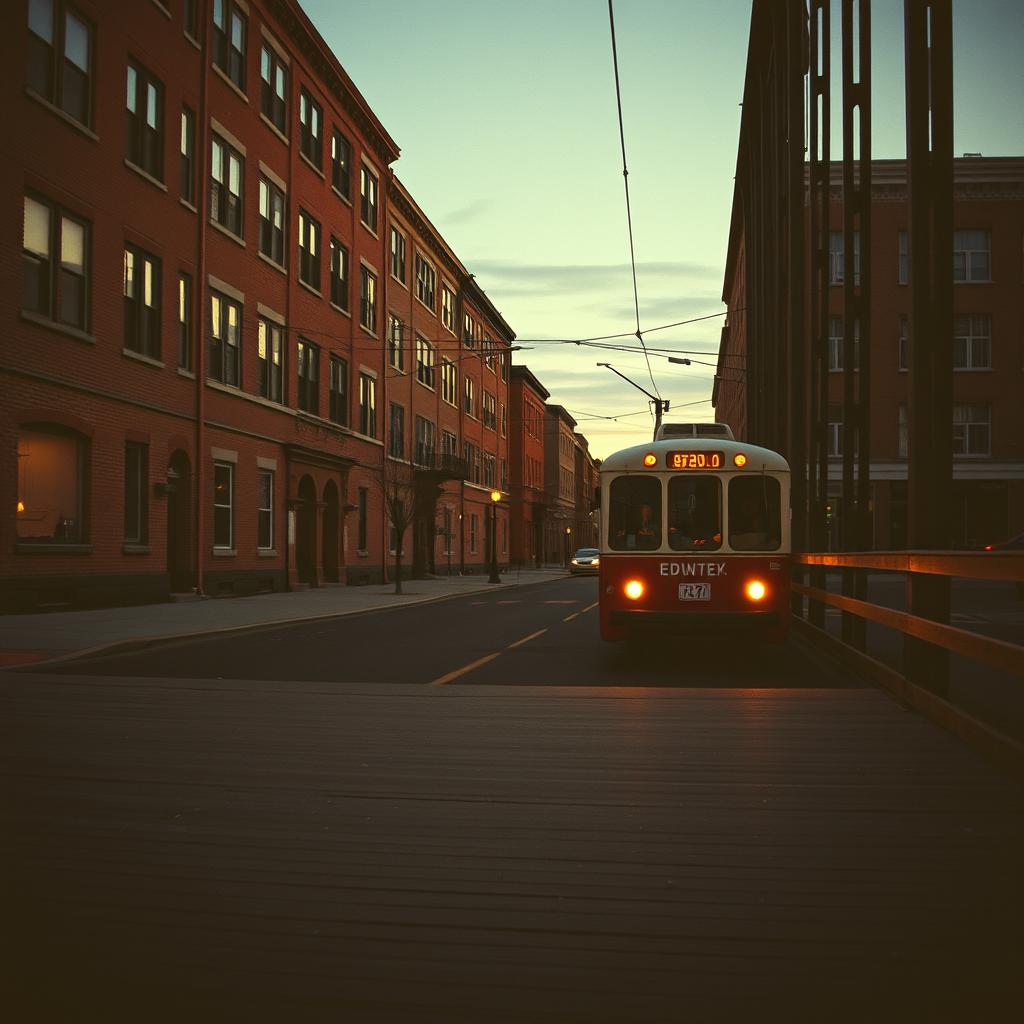
“Growing Up in Edmonton” Verse 1 George walked twenty minutes every morning, Past frost and mud and quiet houses, To Queen Alexandra, Three stories of brick and patience wearing thin. The floors were oiled every weekend— By Monday you couldn’t stand upright, Kids sliding toward stairwells, Elbows out, learning balance the hard way. By Tuesday you could walk again, If no one pushed. It wasn’t a kind place. It wasn’t meant to be. Verse 2 Built in 1903, Old enough to lend its top floor To the newborn University, Before anyone knew what the city would become. A gym stood unused— Too poor to maintain, Too afraid to wear it out, So it stayed perfect and empty. The principal liked the strap. Liked order more than mercy. Running in the basement was forbidden, Even when winter locked the doors outside. If you were caught, Bend over, three strikes, Dust rising from your clothes like proof. Verse 3 The yard was mud and coal clinkers, Sharp enough to cut knees, Drying hard on trousers by afternoon. Boys bled and fell and got lined up. Girls had grass. That was just how it was. While the strap came down, Dust flew into the air— A strange little cloud That everyone learned not to laugh at. Verse 4 Downtown came with his mother, Five or six years old, Streetcar rattling across the High Level Bridge, Running right along the edge of the world. Old ladies pulled the blinds tight, Afraid of the drop— Five hundred feet of valley and river. George looked down. He liked the view. He watched ice blocks cut from the river, Destined for iceboxes, Before refrigerators existed, Before convenience became invisible. Verse 5 Jasper Avenue, 101st Street, Saturday morning noise and motion. Farmers everywhere, Trading, arguing, laughing in languages George didn’t yet understand— Ukrainian, Polish, German— So much sound that English disappeared Until Monday came back. Woodward’s on one side, Eaton’s on the other, And his mother heading straight For the Queen City Meat Market. Verse 6 Sawdust on the floor, Three inches deep, Carcasses hanging from the ceiling. Saturday night auctions— Everything had to go, No refrigeration, no Sunday sales. Pot roast. Liver. Tongue. Cheap and filling. Farm butter from the market— Thick, rich, spread on everything. Fatty food, real food, The kind that stays with you. A used bookseller talked too much, Loved Hitler too loudly, Praised jobs over consequences— Later interned, Another story quietly removed from the street. Verse 7 The Toonerville Trolley rattled through South Edmonton, Two trolleys, one track, Pavement ending, grass beginning. At the line’s end, They swapped the poles by hand, Reversed direction, Kept going without turning around. Like the city itself— Improvising, Making do. Verse 8 Only three paved roads back then— Whyte Avenue, 109th Street over the bridge, Jasper and 101st. Everything else was gravel or dirt Until after the war. Horses still drank from troughs on main streets. Progress moved slowly, If it moved at all. But every Saturday, The city gathered anyway. Voices from elsewhere, Boots from farms, Stories crossing paths. Outro That was Edmonton. Not gentle, Not polished, But alive. And George carried it all— The slipping floors, the strap, The bridge edge, the sawdust, The languages, the trolley that turned itself around— Into the man who would later understand That memory matters Because places forget Unless someone remembers them properly.
