
Piano concerto No.3 1st mov. “Heat of triste”
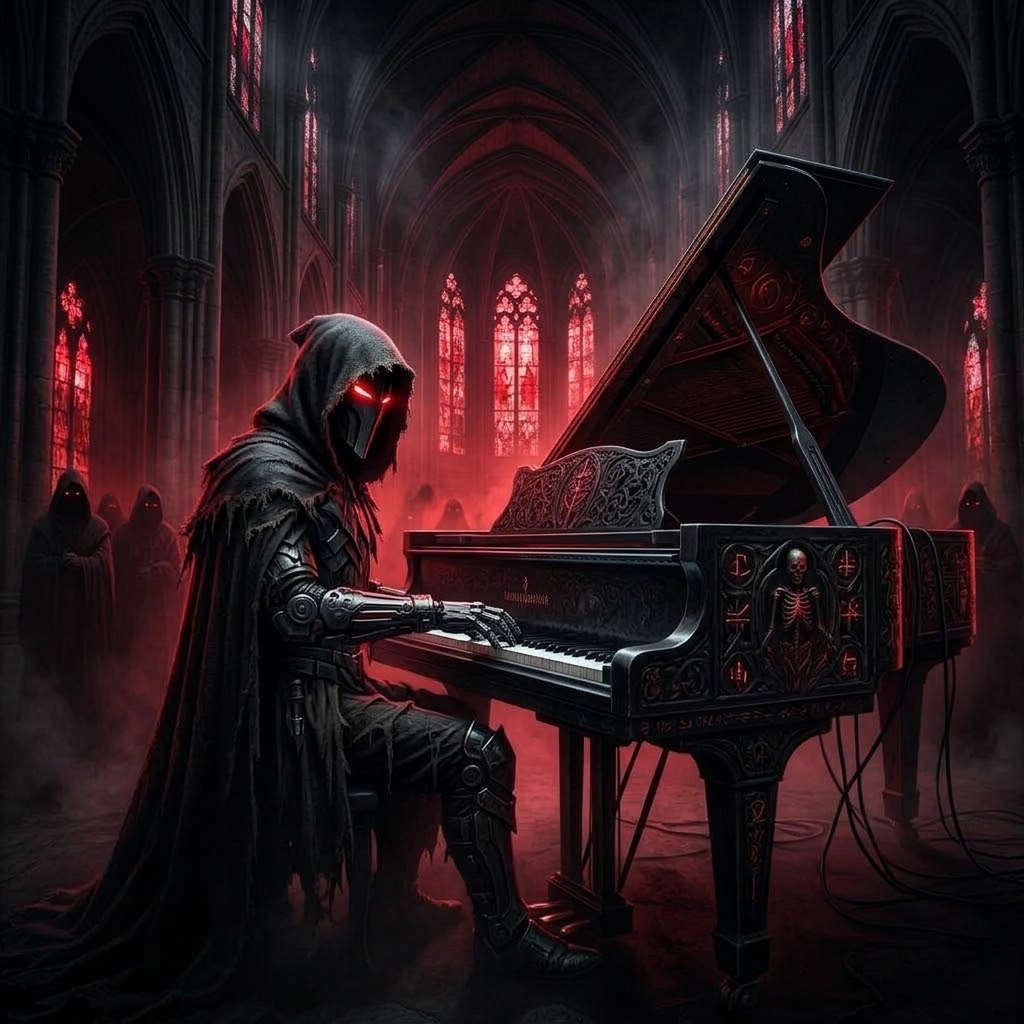
Piano Concerto No. 3 Composed under the influence of composers such as Stravinsky, Carl Orff, Hindemith, and Hans Zimmer, as well as New Objectivity, Neoclassicism, and Barbarism. The music blends intensity with subtle hints of the Renaissance and the Middle Ages. While he had previously composed piano concertos in the style of Romanticism and Beethoven, No. 3 is a contemporary work. It possesses a tragic intensity that seems to tear apart the subtle classical tones. Some listeners may perceive the music here as a certain violence. And that's fine. If music reflects human emotions and human activities, then it's impossible for only peaceful and beautiful music to exist. It's as if it were a microcosm of the real world. 1st Movement: "Heat of triste" The music begins with a Baroque impression reminiscent of Bach's concertos, and gradually increases in tragic intensity. Roaring brass and a pensive piano solo are gradually engulfed in the increasingly intense, tragic tones. Throughout the movement, the classical-baroque structure remains constant, but the piece seeks to express "modern sadness." Movement 2: "Nostalgia" As the title suggests, this is music that evokes longing for the past. Modal melodies are used extensively, further enhancing the sense of nostalgia. This movement could be considered the salvation and healing of the entire piece. Movement 3: "Transience" As if the nostalgic world of the second movement was a fleeting dream, the music bustles about, producing tragic sounds here and there. In this movement, even the piano can no longer hold back the events. Where are we headed?
