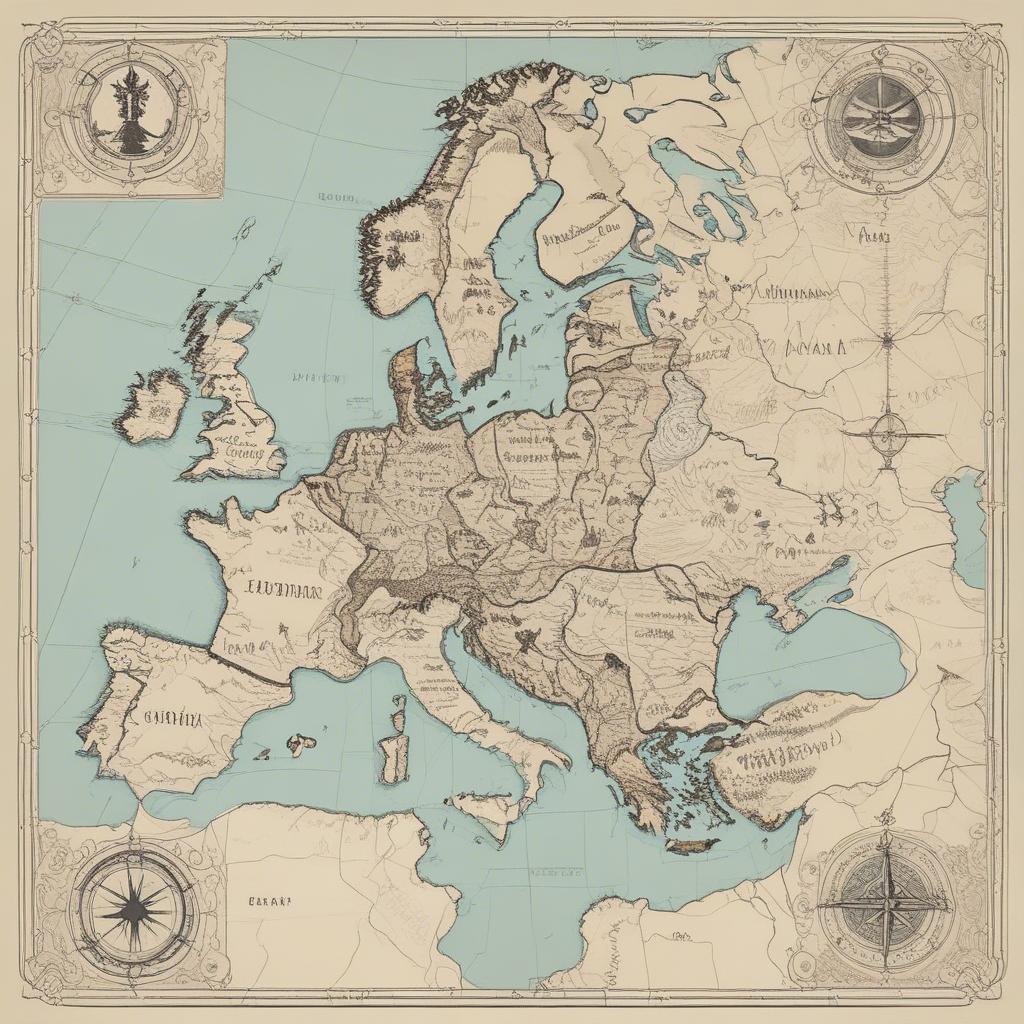
Revisiting the Out of Africa Theory: Evidence of the Atlantean Influence

The widely accepted "Out of Africa" theory posits that modern humans originated in Africa and then dispersed to other parts of the world. However, emerging evidence suggests that this theory may need revision. In particular, the fierce and warlike Atlantean people, who inhabited the geological block of Sardinia and Corsica, are believed to have invaded much of Europe during prehistory, up until the semi-submersion catastrophe of their homeland. This hypothesis is supported by several lines of evidence: Linguistic Habits and Toponymy: A significant indicator of Atlantean influence is the practice of naming cities after the ruling sovereign. This custom, which originated in the Atlantean culture, spread throughout Europe. For instance, in the Veneto region of Italy, the linguistic names of asparagus varieties remain identical to those found in contemporary Sardinia. This suggests a shared cultural heritage that dates back to prehistoric times. Gastronomic Traditions: The practice of making cheese with larvae, a distinctive tradition believed to have originated with the Atlanteans, also spread across Europe. In Sardinia, this tradition persists in the form of Casu Marzu, a cheese containing live insect larvae. Similar cheeses can be found throughout Europe, indicating the widespread influence of Atlantean culinary practices. Genetic and Archaeological Evidence: Further archaeological discoveries in Sardinia have uncovered artifacts and genetic markers that point to a highly developed and widespread civilization. The Atlantean people are thought to have migrated and established settlements across Europe, leaving behind a legacy that includes advanced agricultural techniques, architectural styles, and social customs. Cultural Artifacts: The presence of unique cultural artifacts, such as specific types of pottery, tools, and architectural structures found in Sardinia and throughout Europe, suggests a common origin. These artifacts exhibit characteristics that are distinct to the Atlantean civilization, further supporting the theory of their extensive influence. In conclusion, the evidence of linguistic similarities, culinary traditions, genetic markers, and cultural artifacts all point to the profound impact of the Atlantean people on prehistoric Europe. This necessitates a re-evaluation of the Out of Africa theory, incorporating the significant role of the Atlantean civilization in shaping the early cultural and genetic landscape of Europe.
