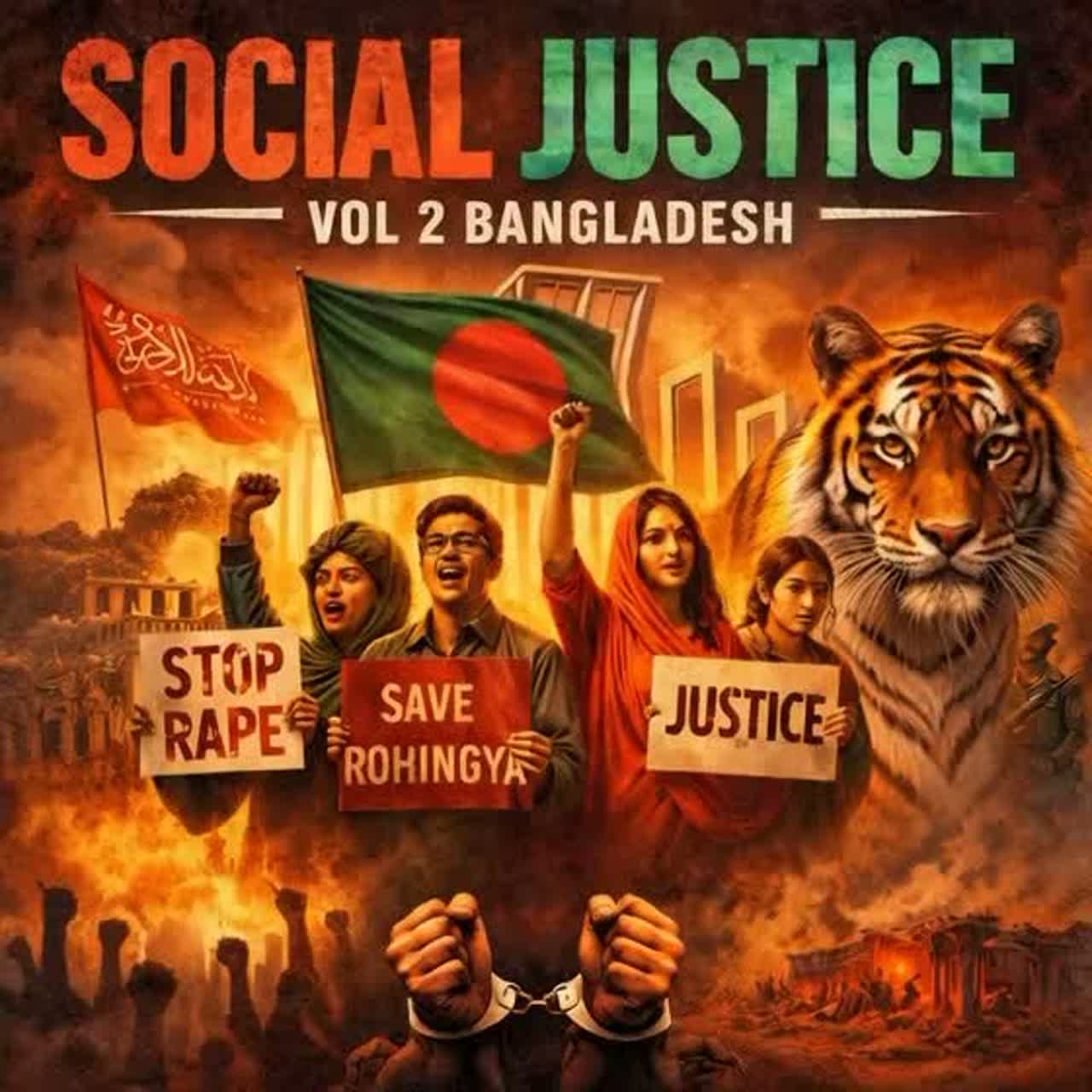
1952: The Story of Bangladesh
In 1952, Bangladesh was still known as East Pakistan—a land awakening to fight for its language. Only five years had passed since the Partition. On the map, there was one country—Pakistan—but in reality, there were two languages and two cultures. The majority of the population spoke Bengali, yet the rulers declared Urdu as the sole state language. As early as 1948, the announcement came: “Urdu will be the only state language of Pakistan.” The people of East Bengal did not remain silent. Students of Dhaka University were the first to rise in protest. From classrooms to the streets, their voices carried a single demand: “We want Bangla as a state language.” Time passed, and the government tried to suppress the movement by imposing Section 144, banning gatherings of more than four people. But on 21 February 1952, the students refused to obey this order. That morning, the Dhaka University area was charged with tension. The students took an oath—to break Section 144. They believed that the right to one’s language is a fundamental human right. Police set up barricades. The students shouted slogans: “We want Bangla as a state language!” Suddenly, gunshots rang out. Young bodies collapsed on the streets—Salam, Barkat, Rafiq, Jabbar, and many others. The streets of Dhaka were stained with blood. That day, it was not just lives that were lost— a nation’s self-awareness was born. 21 February became Martyrs’ Day. And this Language Movement planted the seeds of the Mass Uprising of 1969, the Liberation War of 1971, and the birth of independent Bangladesh. Today, the Bangla language is not merely a means of communication— it is history written in blood, a symbol of sacrifice, and the courage to stand with dignity.
