IX. Dust to Dust (4.5v)
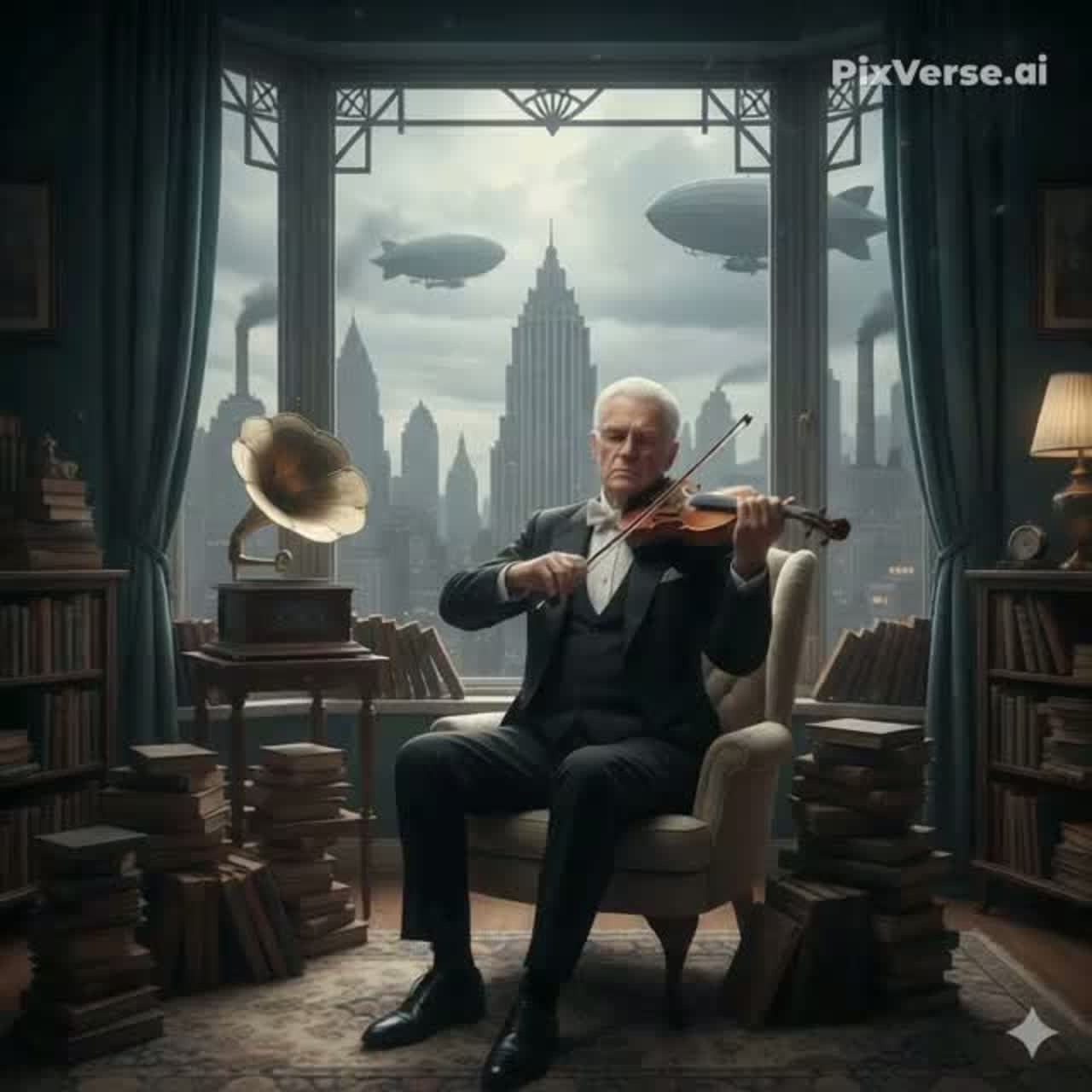
"For dust thou art, and unto dust shalt thou return." — Genesis 3:19 The old man played his violin as the zeppelins drifted past the gray skyline. The world had changed—regimes had risen and crumbled, empires had devoured themselves in gears and fire—but he remained, a single echo in the ruins of modern time. His melody was neither rebellion nor obedience. It was remembrance. Seneca once wrote that “we suffer more often in imagination than in reality.” In the twilight of the Machine Age, this truth lingered like dust in the air. The citizens had feared the State, then the Collapse, then the Silence. Yet for all their terror, the world did not end—it simply grew quiet enough to hear the sound of a single violin. The song “Dust to Dust” is not about loss, but acceptance. It speaks of the inevitable decay that binds all things—flesh, steel, and empire alike. The Regime had turned to rust, the banners to ash, but life, in its quiet persistence, continued to hum through the strings. __________________________________________ Gray strands fall like autumn leaves dry Mirror whispers don't live a lie Wrinkles draw maps of where we've roamed Journeys leading to a place unknown Every tick is a borrowed beat Footprints fading on life's street Ashes to ashes we all return In the quiet our stories burn Clock strikes twelve and shadows grow Where we end nobody knows Borrowed time isn't ours to own To the unknown we all must go! Memories like old photographs fade Moments lost in the march parade Wisdom dances in twilight skies We meet truth with weary eyes In the end it's all dust and echoes Gather strength from the ancient shadows An embrace of fate we cannot fight In this dance of dark and light Someday soon the curtain will fall Silence answers the final call But till then we live and breathe In the heart of life we believe Clock strikes twelve and shadows grow Where we end nobody knows Borrowed time isn't ours to own To the unknown we all must go . . .
