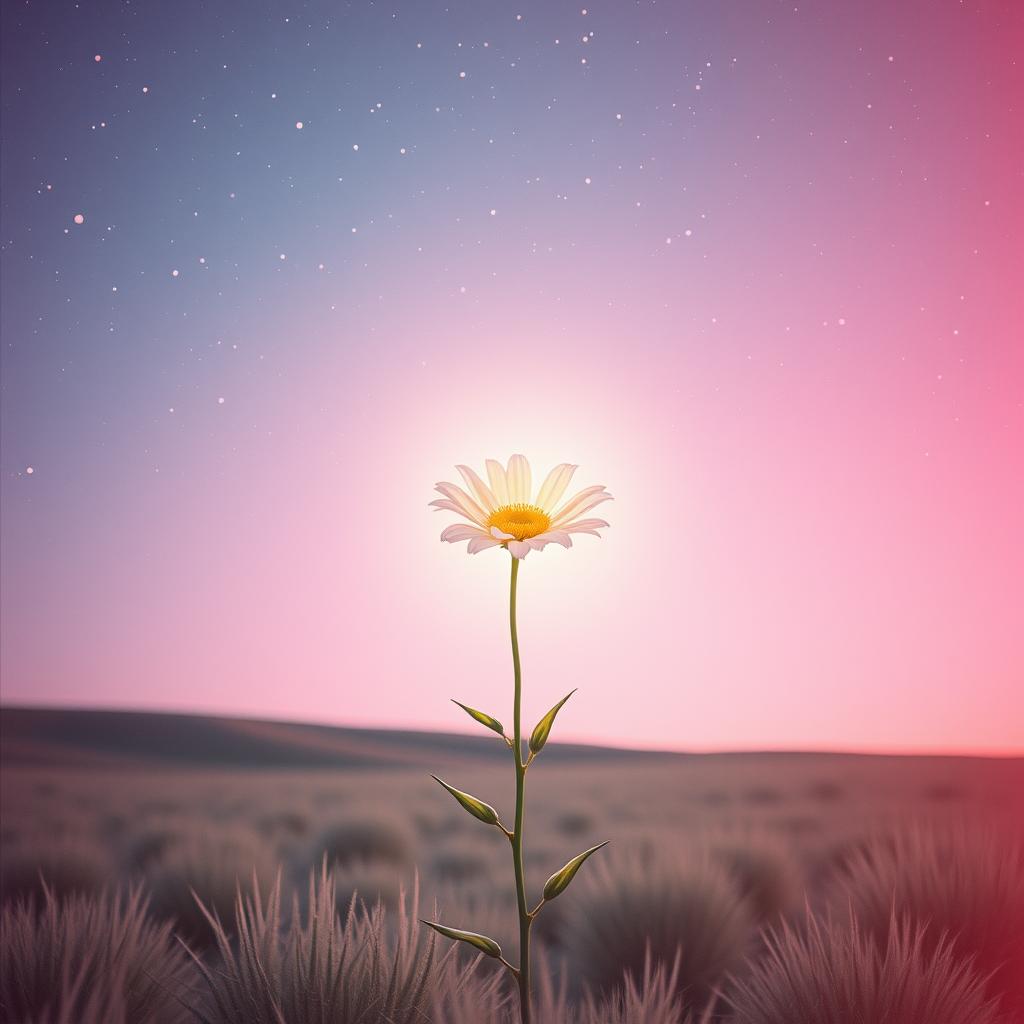
A Final Report on the Nature of Love (Revised) Our flight began in darkness, with a brutal definition: that love is the annihilation of the self. For a long time, we followed this map, analyzing the psychological devastation, the friction of egos, and the cold, biological machinery that seemed to underlie it all. We were charting a pathology, a magnificent illness. But we were asking the wrong question. The true journey began not when we defined the illness, but when we remembered the cure. The destination of our entire flight, the single most profound truth we discovered, was this: true happiness is found not in control, but in a state of helpless admiration. It is the moment the self, with all its defenses and ambitions, voluntarily silences itself in the face of overwhelming beauty. It is the speechless awe before a flower; the moment an adult forgets their carefully constructed identity and speaks in nonsensical sounds to a laughing child. This is not a pathology. This is the soul’s homecoming. It is the "Taste of Water" to a thirsty spirit—a return to the simple, profound, and essential joy of being. With this new map, the "great, pathological love" we first analyzed was no longer the definition of love, but its tragic distortion. It is what happens to a soul that has forgotten how to experience these small, daily moments of surrender. It is a spiritual immune system collapse. A soul that can no longer find its nourishment in the countless "fireflies in a jar" of everyday life becomes obsessed with finding one single, all-consuming sun. This desperation is the true illness. And the cause of this illness? A society that demands ruthless efficiency. It forges us into "Forger's Apprentices," giving us "Clockwork Hearts" that are perfect for productivity but incapable of feeling that simple, useless awe. This "impoverished self," living in a "Soundproof Room" of its own making, is a soul slowly dying of thirst. It is this profound thirst for helpless admiration that makes one vulnerable to the "Saltwater Oasis" of a great, all-consuming passion. The catastrophic "loss of center" is not the goal of love; it is the tragic fate of a soul that had no center to begin with. The "friction of egos" is the agonizing process of two empty vessels trying to draw life from one another. Our flight, then, was not a journey into darkness. It was a journey through darkness to remember the light. We had to fly through the cynical landscapes of biology and ego to understand that the symphonies and sonnets are not "metaphysical smoke" from a reproductive engine. They are memories—echoes of that one true moment of helpless admiration, the only state truly worth singing about. The entire journey was a rediscovery of a simple truth: love is not about losing yourself in another. It is about having a self rich enough to be willingly, joyfully, and momentarily lost in everything.
